Abstract
A new allopolyploid species of Celosia, namely, C. whiteii, collected in Malaya and originating from a natural cross between C. argentea L. (2n = 72) and C. cristata L. (2n = 36), has been described and the somatic chromosome number determined as 2n = 108. A somatic chromosome number of 2n = 18 has been determined for another species of Celosia, namely, C. trigyna L. The basic chromosome number for the genus has been determined as nine. Of the four species of Celosia so far studied cytologically, each represents a different level of ploidy, from diploid (2x) to dodecaploid (12x).
Abstract from the paper’s OpenAlex record, shown for indexing and research. Copyright remains with the authors or the publisher. Read at the source ↗
The text the model read, with the source record’s inline markup (italics, sub- and superscripts) rendered and its character entities decoded; quote offsets refer to the raw text.
Claims 5
Claim · model-written summary
C. whiteii is a new allopolyploid species originating from a natural cross between C. argentea and C. cristata.
Verbatim
e0“A new allopolyploid species of Celosia, namely, C. whiteii, collected in Malaya and originating from a natural cross between C. argentea L. (2n = 72) and C. cristata L. (2n = 36), has been described”
Claim · model-written summary
C. whiteii has 2n = 108 somatic chromosomes.
Verbatim
e0“C. whiteii, collected in Malaya and originating from a natural cross between C. argentea L. (2n = 72) and C. cristata L. (2n = 36), has been described and the somatic chromosome number determined as 2n = 108”
Claim · model-written summary
C. trigyna has 2n = 18 somatic chromosomes.
- Taxon
- C. trigyna L.
 Celosia trigynae0
- Outcome
- somatic chromosome numbere0
- Value
- 2n = 18e0
Organisms pictured · Representative pictures of the matched species, not figures from the paper.
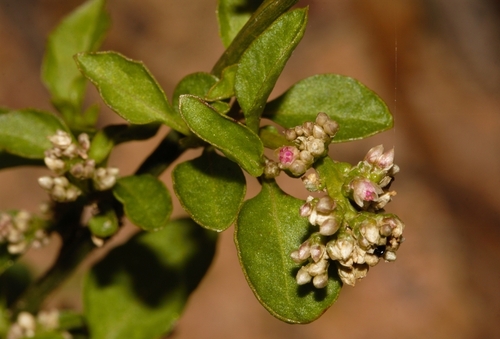
Verbatim
e0“A somatic chromosome number of 2n = 18 has been determined for another species of Celosia, namely, C. trigyna L.”
Claim · model-written summary
The basic chromosome number of Celosia is nine.
Verbatim
e0“The basic chromosome number for the genus has been determined as nine.”
t0“SPECIATION AND BASIC CHROMOSOME NUMBER IN THE GENUS CELOSIA”
Claim · model-written summary
The four cytologically studied Celosia species represent distinct ploidy levels from diploid to dodecaploid.
 Celosia
Organisms pictured · Representative pictures of the matched species, not figures from the paper.

Verbatim
e0“Of the four species of Celosia so far studied cytologically, each represents a different level of ploidy, from diploid (2x) to dodecaploid (12x).”