Abstract
Abstract A field experiment to investigate the effects of crop diversity on the insect pests and yield of cabbage, Brassica oleracea var. capitata , was carried out at Lincoln College, Canterbury. All treatments were based on a standard cabbage plant spacing of 50 cm within rows and 100 cm between rows. Treatment 1 remained untreated; Treatment 2 was sprayed with 1.0 kg/ha Bacillus thuringiensis (Thuricide HP) at fortnightly intervals; Treatment 3 was intercropped with dill ( Anethum graveolens ); Treatment 4 was cabbage planted between standard rows, i.e., double the density in Treatment 1. Regular monitoring showed fewer white butterfly ( Pieris rapae L.) eggs were laid on cabbages planted at the higher density and fewer alate cabbage aphids ( Brevicoryne brassicae L.), occurred on plants intercropped with dill. Diamondback moth ( Plutella xylostella L.) was not a prevalent pest. Applications of Bacillus thuringiensis resulted in improved cabbage quality but not increased yields. Lowest ‘per plant’ yields occurred at the higher plant density, but overall this treatment produced the highest yield per plot. Yield differences appeared to be largely a result of plant competition effects rather than insect feeding injury.
Abstract from the paper’s OpenAlex record, shown for indexing and research. Copyright remains with the authors or the publisher. Read at the source ↗
The text the model read, with the source record’s inline markup (italics, sub- and superscripts) rendered and its character entities decoded; quote offsets refer to the raw text.
Claims 8
Claim · model-written summary
Higher cabbage density reduced white butterfly egg laying.
- Taxon
- cabbages
 Brassica oleracea var. capitatae0
- Treatment
- the higher densitye0
- Interactor
- Pieris rapae L.
 Pieris rapaee0pest
- Outcome
- white butterfly ( Pieris rapae L.) eggse0
- Direction
- fewere0
Not reportedComparator
Organisms pictured · Representative pictures of the matched species, not figures from the paper.


Verbatim
e0“fewer white butterfly ( Pieris rapae L.) eggs were laid on cabbages planted at the higher density”
Claim · model-written summary
Dill intercropping reduced alate cabbage aphid occurrence.
- Taxon
- cabbageBrassica oleracea var. capitatat0
- Treatment
- intercropped with dille0
- Interactor
- Brevicoryne brassicae L.
 Brevicoryne brassicaee0pest
- Second interactor
- dill
 Anethum graveolense0other
- Outcome
- alate cabbage aphidse0
- Direction
- fewere0
Not reportedComparator
Organisms pictured · Representative pictures of the matched species, not figures from the paper.


Verbatim
e0“fewer alate cabbage aphids ( Brevicoryne brassicae L.), occurred on plants intercropped with dill”
t0“cabbage”
Claim · model-written summary
Diamondback moth was not prevalent in the cabbage trial.
- Taxon
- cabbageBrassica oleracea var. capitatat0
- Interactor
- Plutella xylostella L.e0pest
- Outcome
- not a prevalent peste0
Not reportedDirection
Organisms pictured · Representative pictures of the matched species, not figures from the paper.
Verbatim
e0“Diamondback moth ( Plutella xylostella L.) was not a prevalent pest”
t0“cabbage”
Claim · model-written summary
Bacillus thuringiensis spray improved cabbage quality.
- Taxon
- cabbageBrassica oleracea var. capitatae0
- Treatment
- Applications of Bacillus thuringiensise0
- Interactor
- Bacillus thuringiensis
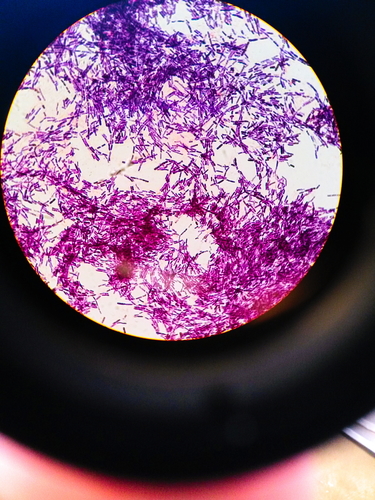
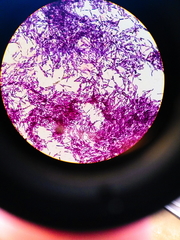 Bacillus thuringiensise0biocontrol_agent
- Outcome
- cabbage qualitye0
- Direction
- improvede0
Not reportedComparator
Organisms pictured · Representative pictures of the matched species, not figures from the paper.
Verbatim
e0“Applications of Bacillus thuringiensis resulted in improved cabbage quality but not increased yields”
Claim · model-written summary
Bacillus thuringiensis spray did not increase cabbage yields.
- Taxon
- cabbageBrassica oleracea var. capitatat0
- Treatment
- Applications of Bacillus thuringiensise0
- Interactor
- Bacillus thuringiensisBacillus thuringiensise0biocontrol_agent
- Outcome
- yieldse0
- Direction
- not increasede0
Not reportedComparator
Organisms pictured · Representative pictures of the matched species, not figures from the paper.
Verbatim
e0“Applications of Bacillus thuringiensis resulted in improved cabbage quality but not increased yields”
t0“cabbage”
Claim · model-written summary
Higher cabbage density produced the lowest per plant yields.
- Taxon
- cabbageBrassica oleracea var. capitatat0
- Treatment
- the higher plant densitye0
- Outcome
- ‘per plant’ yieldse0
- Direction
- Loweste0
Not reportedComparator
Organisms pictured · Representative pictures of the matched species, not figures from the paper.
Verbatim
e0“Lowest ‘per plant’ yields occurred at the higher plant density”
t0“cabbage”
Claim · model-written summary
Higher cabbage density produced the highest yield per plot.
- Taxon
- cabbageBrassica oleracea var. capitatat0
- Treatment
- this treatmente0
- Outcome
- yield per plote0
- Direction
- higheste0
Not reportedComparator
Organisms pictured · Representative pictures of the matched species, not figures from the paper.
Verbatim
e0“this treatment produced the highest yield per plot”
t0“cabbage”
Claim · model-written summary
Authors attributed yield differences mainly to plant competition rather than insect feeding injury.
- Taxon
- cabbageBrassica oleracea var. capitatat0
- Outcome
- Yield differencese0
- Qualifier
- plant competition effects rather than insect feeding injurye0
Organisms pictured · Representative pictures of the matched species, not figures from the paper.
Verbatim
e0“Yield differences appeared to be largely a result of plant competition effects rather than insect feeding injury”
t0“cabbage”
The same questions in other papers
Bacillus thuringiensis · yield · Brassica oleracea (wild cabbage)Positive and negative results
4 in the opposite direction
- positive
- positive
- positive
1 paper more in this group
See all 5 papers →density · yield · Brassica oleracea (wild cabbage)Positive and negative results
9 papers in the same direction as this paper · 50 in the opposite direction
- positive
- positive
- positive
56 papers more in this group
See all 60 papers →intercropping · Brevicoryne brassicae · Brassica oleracea (wild cabbage)Results agree
6 papers in the same direction as this paper
- positive
- positive
- positive
3 papers more in this group
See all 7 papers →Claims are grouped by organism, treatment and what was measured or targeted. A paper counts as positive when any of its claims in the group is positive.