Abstract
Three sections of Calceolaria (Scrophulariaceae) in NW South America are revised, viz. sect. Urticopsis (8 species in the area), Lobatae (4), and Micranthera (2). Sect. Urticopsis is characterized by herbaceous, ovate, petiolate leaves and white to buffish pubescence. Sect. Lobatae is characterized by lobate, petiolate leaves and white to greyish white pubescence. Sect. Micranthera comprises small herbs with a weedy habit, characterized by small anthers and unusually long filaments. Three new species are described, viz. C. obtusa, C. trichanthera , and C. adenocalyx (all in sect. Urticopsis) , and one new combination is made, viz. C. penlandii ssp. puraceensis (sect. Urticopsis). Chromosome numbers (all 2n = 36) are reported for C. lamiifolia, C. obtusa, C. penlandii ssp. penlandii , and C. dichotoma.
Abstract from the paper’s OpenAlex record, shown for indexing and research. Copyright remains with the authors or the publisher. Read at the source ↗
The text the model read, with the source record’s inline markup (italics, sub- and superscripts) rendered and its character entities decoded; quote offsets refer to the raw text.
Claims 14
Claim · model-written summary
Urticopsis includes eight species in the area.
Verbatim
e0“sect. Urticopsis (8 species in the area)”
Claim · model-written summary
Lobatae includes four species in the area.
Verbatim
e0“Lobatae (4)”
Claim · model-written summary
Micranthera includes two species in the area.
Verbatim
e0“Micranthera (2)”
Claim · model-written summary
Urticopsis has herbaceous ovate petiolate leaves and white to buffish pubescence.
Verbatim
e0“Sect. Urticopsis is characterized by herbaceous, ovate, petiolate leaves and white to buffish pubescence”
Claim · model-written summary
Lobatae has lobate petiolate leaves and white to greyish white pubescence.
Verbatim
e0“Sect. Lobatae is characterized by lobate, petiolate leaves and white to greyish white pubescence”
Claim · model-written summary
Micranthera comprises weedy small herbs with small anthers and unusually long filaments.
Verbatim
e0“Sect. Micranthera comprises small herbs with a weedy habit, characterized by small anthers and unusually long filaments”
Claim · model-written summary
C. obtusa is described as a new Urticopsis species.
- Taxon
- C. obtusaCalceolaria obtusae0
- Outcome
- new speciese0
- Qualifier
- sect. Urticopsise0
Verbatim
e0“Three new species are described, viz. C. obtusa, C. trichanthera , and C. adenocalyx (all in sect. Urticopsis)”
Claim · model-written summary
C. trichanthera is described as a new Urticopsis species.
- Taxon
- C. trichantheraCalceolaria trichantherae0
- Outcome
- new speciese0
- Qualifier
- sect. Urticopsise0
Verbatim
e0“Three new species are described, viz. C. obtusa, C. trichanthera , and C. adenocalyx (all in sect. Urticopsis)”
Claim · model-written summary
C. adenocalyx is described as a new Urticopsis species.
- Taxon
- C. adenocalyxCalceolaria adenocalyxe0
- Outcome
- new speciese0
- Qualifier
- sect. Urticopsise0
Verbatim
e0“Three new species are described, viz. C. obtusa, C. trichanthera , and C. adenocalyx (all in sect. Urticopsis)”
Claim · model-written summary
C. penlandii ssp. puraceensis is a new combination.
- Taxon
- C. penlandii ssp. puraceensisCalceolaria penlandiie0
- Outcome
- new combinatione0
Verbatim
e0“one new combination is made, viz. C. penlandii ssp. puraceensis (sect. Urticopsis)”
Claim · model-written summary
C. lamiifolia has chromosome number 2n = 36.
- Taxon
- C. lamiifolia
 Calceolaria lamiifoliae0
- Outcome
- Chromosome numberse0
- Value
- 2n = 36e0
Organisms pictured · Representative pictures of the matched species, not figures from the paper.

Verbatim
e0“Chromosome numbers (all 2n = 36) are reported for C. lamiifolia, C. obtusa, C. penlandii ssp. penlandii , and C. dichotoma”
Claim · model-written summary
C. obtusa has chromosome number 2n = 36.
- Taxon
- C. obtusaCalceolaria obtusae0
- Outcome
- Chromosome numberse0
- Value
- 2n = 36e0
Verbatim
e0“Chromosome numbers (all 2n = 36) are reported for C. lamiifolia, C. obtusa, C. penlandii ssp. penlandii , and C. dichotoma”
Claim · model-written summary
C. penlandii ssp. penlandii has chromosome number 2n = 36.
- Taxon
- C. penlandii ssp. penlandiiCalceolaria penlandii subsp. penlandiie0
- Outcome
- Chromosome numberse0
- Value
- 2n = 36e0
Verbatim
e0“Chromosome numbers (all 2n = 36) are reported for C. lamiifolia, C. obtusa, C. penlandii ssp. penlandii , and C. dichotoma”
Claim · model-written summary
C. dichotoma has chromosome number 2n = 36.
- Taxon
- C. dichotoma
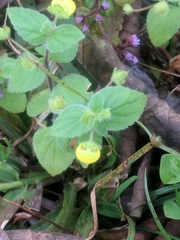 Calceolaria dichotomae0
- Outcome
- Chromosome numberse0
- Value
- 2n = 36e0
Organisms pictured · Representative pictures of the matched species, not figures from the paper.
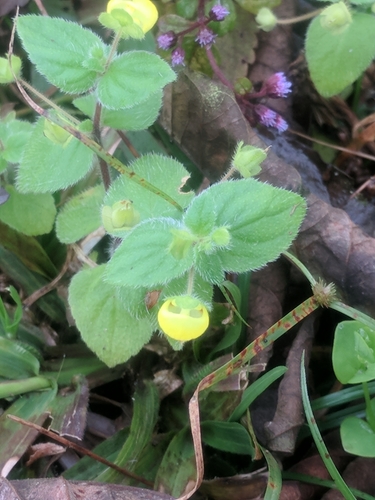
Verbatim
e0“Chromosome numbers (all 2n = 36) are reported for C. lamiifolia, C. obtusa, C. penlandii ssp. penlandii , and C. dichotoma”