Abstract
Abstract Five weekly applications of Beauveria bassiana (Balsamo) Vuillemin, a genetically engineered isolate of Bacillus thuringiensis Berliner (Raven®), and aldicarb (Temik®) were compared for control of Colorado potato beetle, Leptinotarsa decemlineata (Say) in an irrigated desert cropping system. B. thuringiensis was applied using low and high label rates (1.17 and 7.0 l ha −1 ). B. bassiana was applied at 5×10 13 spores ha −1 . Aldicarb (Rhône‐Poulenc), applied at 3.37 kg a.i. ha −1 provided the greatest beetle control and potato yields (45 metric tons ha −1 ), but overall lowest biodiversity in nontarget organisms, particularly predatory Heteroptera. Low and high rates of B. thuringiensis produced fair to excellent beetle control, yielded 33 and 40 metric tons ha −1 and enabled good survival in predatory Heteroptera and other nontargets. Plots treated with B. bassiana resulted in poor control of beetles prior to row closure after which fair to good control was achieved. Yield in the Beauveria ‐treated plots was 33 metric tons ha −1 and effect on biodiversity was comparable to the Bt ‐treated plots. The lowest number of overwintering adult L. decemlineata was found in the plots treated with bacteria and fungi (0.68–0.84 adults/0.03 m −3 of soil) and the highest was found in control and aldicarb plots (3.44 and 1.84 adults/0.03 m 3 of soil). Aphids and leafhoppers showed higher densities in plots treated with microbial control agents, but were eliminated from plots treated with aldicarb.
Abstract from the paper’s OpenAlex record, shown for indexing and research. Copyright remains with the authors or the publisher. Read at the source ↗
The text the model read, with the source record’s inline markup (italics, sub- and superscripts) rendered and its character entities decoded; quote offsets refer to the raw text.
Claims 15
Claim · model-written summary
Aldicarb provided the greatest beetle control.
- Taxon
- potato
 Solanum tuberosumt0
- Treatment
- Aldicarb (Rhône‐Poulenc), applied at 3.37 kg a.i. ha −1e0
- Interactor
- Colorado potato beetle
 Leptinotarsa decemlineatat0pest
- Outcome
- beetle controle0
- Direction
- greateste0
Not reportedComparator
Organisms pictured · Representative pictures of the matched species, not figures from the paper.


Verbatim
e0“Aldicarb (Rhône‐Poulenc), applied at 3.37 kg a.i. ha −1 provided the greatest beetle control and potato yields (45 metric tons ha −1 )”
t0“Colorado potato beetle”
Claim · model-written summary
Aldicarb produced potato yields of 45 metric tons per hectare, the highest reported.
- Taxon
- potatoSolanum tuberosumt0
- Treatment
- Aldicarb (Rhône‐Poulenc), applied at 3.37 kg a.i. ha −1e0
- Outcome
- potato yieldse0
- Direction
- greateste0
- Value
- 45 metric tons ha −1e0
Not reportedComparator
Organisms pictured · Representative pictures of the matched species, not figures from the paper.
Verbatim
e0“Aldicarb (Rhône‐Poulenc), applied at 3.37 kg a.i. ha −1 provided the greatest beetle control and potato yields (45 metric tons ha −1 )”
t0“potato”
Claim · model-written summary
Aldicarb gave the lowest nontarget biodiversity, especially predatory Heteroptera.
- Taxon
- potatoSolanum tuberosumt0
- Treatment
- aldicarbt0
- Outcome
- biodiversity in nontarget organismse0
- Direction
- loweste0
- Qualifier
- particularly predatory Heteropterae0
Not reportedComparator
Organisms pictured · Representative pictures of the matched species, not figures from the paper.
Verbatim
e0“but overall lowest biodiversity in nontarget organisms, particularly predatory Heteroptera.”
t0“aldicarb for control of Colorado potato beetle”
Claim · model-written summary
Low-rate Bacillus thuringiensis gave fair to excellent beetle control.
- Taxon
- potatoSolanum tuberosumt0
- Treatment
- Lowe0
- Interactor
- Colorado potato beetleLeptinotarsa decemlineatat0pest
- Second interactor
- B. thuringiensis
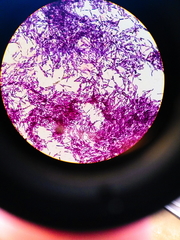 Bacillus thuringiensise0biocontrol_agent
- Outcome
- beetle controle0
- Direction
- fair to excellente0
Not reportedComparator
Organisms pictured · Representative pictures of the matched species, not figures from the paper.
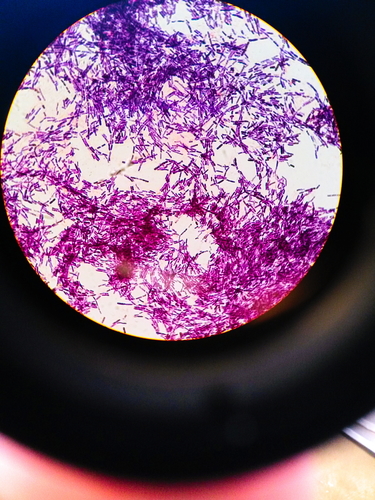
Verbatim
e0“Low and high rates of B. thuringiensis produced fair to excellent beetle control, yielded 33 and 40 metric tons ha −1 and enabled good survival in predatory Heteroptera and other nontargets.”
t0“Colorado potato beetle”
Claim · model-written summary
Low-rate Bacillus thuringiensis yielded 33 metric tons per hectare.
- Taxon
- potatoSolanum tuberosumt0
- Treatment
- Lowe0
- Interactor
- B. thuringiensisBacillus thuringiensise0biocontrol_agent
- Outcome
- yieldede0
- Value
- 33 and 40 metric tons ha −1e0
Not reportedComparatorDirection
Organisms pictured · Representative pictures of the matched species, not figures from the paper.
Verbatim
e0“Low and high rates of B. thuringiensis produced fair to excellent beetle control, yielded 33 and 40 metric tons ha −1 and enabled good survival in predatory Heteroptera and other nontargets.”
t0“potato”
Claim · model-written summary
High-rate Bacillus thuringiensis yielded 40 metric tons per hectare.
- Taxon
- potatoSolanum tuberosumt0
- Treatment
- high rates of B. thuringiensise0
- Outcome
- yieldede0
- Value
- 33 and 40 metric tons ha −1e0
Not reportedComparatorDirection
Organisms pictured · Representative pictures of the matched species, not figures from the paper.
Verbatim
e0“Low and high rates of B. thuringiensis produced fair to excellent beetle control, yielded 33 and 40 metric tons ha −1 and enabled good survival in predatory Heteroptera and other nontargets.”
t0“potato”
Claim · model-written summary
Bacillus thuringiensis allowed good survival of predatory Heteroptera and other nontargets.
- Taxon
- potatoSolanum tuberosumt0
- Treatment
- Bacillus thuringiensist0
- Interactor
- Bacillus thuringiensisBacillus thuringiensist0biocontrol_agent
- Outcome
- survival in predatory Heteroptera and other nontargetse0
- Direction
- goode0
Not reportedComparator
Organisms pictured · Representative pictures of the matched species, not figures from the paper.
Verbatim
e0“enabled good survival in predatory Heteroptera and other nontargets.”
t0“Beauveria bassiana, Bacillus thuringiensis, and aldicarb for control of Colorado potato beetle”
Claim · model-written summary
Beauveria plots had poor beetle control before row closure and fair to good control afterward.
- Taxon
- potatoSolanum tuberosumt0
- Treatment
- B. bassianae0
- Interactor
- Colorado potato beetleLeptinotarsa decemlineatat0pest
- Second interactor
- B. bassiana
 Beauveria bassianae0biocontrol_agent
- Outcome
- control of beetlese0
- Direction
- fair to goode0
- Qualifier
- prior to row closuree0
Not reportedComparator
Organisms pictured · Representative pictures of the matched species, not figures from the paper.

Verbatim
e0“Plots treated with B. bassiana resulted in poor control of beetles prior to row closure after which fair to good control was achieved.”
t0“Colorado potato beetle”
Claim · model-written summary
Beauveria-treated plots yielded 33 metric tons per hectare.
- Taxon
- potatoSolanum tuberosumt0
- Treatment
- Beauveria ‐treatede0
- Outcome
- Yielde0
- Value
- 33 metric tons ha −1e0
Not reportedComparatorDirection
Organisms pictured · Representative pictures of the matched species, not figures from the paper.
Verbatim
e0“Yield in the Beauveria ‐treated plots was 33 metric tons ha −1”
t0“potato”
Claim · model-written summary
Beauveria and Bt treatments had comparable biodiversity effects.
- Taxon
- potatoSolanum tuberosumt0
- Treatment
- Beauveriat0
- Interactor
- Beauveria bassianaBeauveria bassianat0biocontrol_agent
- Outcome
- biodiversitye0
- Direction
- comparablee0
- Comparator
- Bt ‐treated plotse0
Organisms pictured · Representative pictures of the matched species, not figures from the paper.
Verbatim
e0“effect on biodiversity was comparable to the Bt ‐treated plots.”
t0“Beauveria bassiana, Bacillus thuringiensis, and aldicarb for control of Colorado potato beetle”
Claim · model-written summary
Microbial treatments had the lowest overwintering beetle counts, 0.68–0.84 adults per soil volume.
- Taxon
- potatoSolanum tuberosumt0
- Treatment
- bacteria and fungie0
- Interactor
- L. decemlineataLeptinotarsa decemlineatae0pest
- Outcome
- number of overwintering adult L. decemlineatae0
- Direction
- loweste0
- Value
- 0.68–0.84 adults/0.03 m −3 of soile0
Not reportedComparator
Organisms pictured · Representative pictures of the matched species, not figures from the paper.
Verbatim
e0“The lowest number of overwintering adult L. decemlineata was found in the plots treated with bacteria and fungi (0.68–0.84 adults/0.03 m −3 of soil)”
t0“potato”
Claim · model-written summary
Control plots had 3.44 overwintering beetle adults per soil volume.
- Taxon
- potatoSolanum tuberosumt0
- Outcome
- overwintering adult L. decemlineatae1
- Value
- 3.44 and 1.84 adults/0.03 m 3 of soile0
- Setting
- controle0
Organisms pictured · Representative pictures of the matched species, not figures from the paper.
Verbatim
e0“the highest was found in control and aldicarb plots (3.44 and 1.84 adults/0.03 m 3 of soil).”
e1“The lowest number of overwintering adult L. decemlineata was found in the plots treated with bacteria and fungi (0.68–0.84 adults/0.03 m −3 of soil)”
t0“potato”
Claim · model-written summary
Aldicarb plots had 1.84 overwintering beetle adults per soil volume.
- Taxon
- potatoSolanum tuberosumt0
- Treatment
- aldicarbe0
- Outcome
- overwintering adult L. decemlineatae1
- Direction
- higheste0
- Value
- 3.44 and 1.84 adults/0.03 m 3 of soile0
- Comparator
- controle0
Organisms pictured · Representative pictures of the matched species, not figures from the paper.
Verbatim
e0“the highest was found in control and aldicarb plots (3.44 and 1.84 adults/0.03 m 3 of soil).”
e1“The lowest number of overwintering adult L. decemlineata was found in the plots treated with bacteria and fungi (0.68–0.84 adults/0.03 m −3 of soil)”
t0“potato”
Claim · model-written summary
Aphid and leafhopper densities were higher with microbial control agents.
- Taxon
- potatoSolanum tuberosumt0
- Treatment
- microbial control agentse0
- Interactor
- Aphids and leafhoppersCicadellidaeAphidomorphae0pest
- Outcome
- Aphids and leafhopperse0
- Direction
- highere0
Not reportedComparator
Organisms pictured · Representative pictures of the matched species, not figures from the paper.
Verbatim
e0“Aphids and leafhoppers showed higher densities in plots treated with microbial control agents”
t0“potato”
Claim · model-written summary
Aldicarb eliminated aphids and leafhoppers from treated plots.
- Taxon
- potatoSolanum tuberosumt0
- Treatment
- aldicarbe0
- Interactor
- Aphids and leafhoppersCicadellidaeAphidomorphae0pest
- Outcome
- Aphids and leafhopperse0
- Direction
- eliminatede0
Not reportedComparator
Organisms pictured · Representative pictures of the matched species, not figures from the paper.
Verbatim
e0“Aphids and leafhoppers showed higher densities in plots treated with microbial control agents, but were eliminated from plots treated with aldicarb.”
t0“potato”
The same questions in other papers
aldicarb · yield · Solanum tuberosum (potato)Results differ
16 papers in the same direction as this paper · 2 in the opposite direction
- no effect
- no effect
- positive
15 papers more in this group
See all 19 papers →Bacillus thuringiensis · yield · Solanum tuberosum (potato)Positive and negative results
5 papers in the same direction as this paper · 1 in the opposite direction
- negative
- positive
- positive
3 papers more in this group
See all 7 papers →aldicarb · pest · Solanum tuberosum (potato)Positive and negative results
8 in the opposite direction
- positive
- positive
- positive
5 papers more in this group
See all 9 papers →aldicarb · Leptinotarsa decemlineata · Solanum tuberosum (potato)Results agree
1 paper in the same direction as this paper
- positive
aldicarb · Aphidomorpha · Solanum tuberosum (potato)Results agree
2 papers in the same direction as this paper
- positive
- positive
inoculation · Leptinotarsa decemlineata · Solanum tuberosum (potato)Results agree
1 paper in the same direction as this paper
- positive
Claims are grouped by organism, treatment and what was measured or targeted. A paper counts as positive when any of its claims in the group is positive.