Abstract
The widespread adoption of cropping systems that are sustainable and environmentally friendly is vital for the macroeconomic survival of civilization. Intercropping could ensure stability of insect populations in a system. A 3-yr (2005)(2006)(2007) field trial was therefore carried out in Nigeria under regular and ratoon crops to evaluate five recently developed pigeon pea (Cajanus cajan [L.] Huth) genotypes (ICPL 87, ICPL 161, ICPL 85063, ICP 7120, and ICPL 87119) from the International Crops Research Institute for Semi-Arid Tropics (ICRISAT) and one local variety for their relative performance and susceptibility to insect pests. The pigeon pea genotypes were in a mixture with two maize genotypes (Zea mays L., open-pollinated and hybrid) in regular crops for 2 yr (2005)(2006) followed by a ratoon crop for 1 yr (2007). Termites (Odontotermes badius), crickets (Gymnogryllus lucens), and variegated grasshoppers (Zonocerus variegatus) were the crop's seedling pests and caused minimal damage. Clavigralla spp. infestations were high at the reproductive stage causing 24% and 29% seed damage in regular and ratoon pigeon pea crops, respectively. Maize slightly suppressed insect pest incidence and damage to pigeon pea pods and seeds but significantly (P < 0.01) reduced grain yield in the regular pigeon pea crops in 2005 and 2006, although not in the 2007 ratoon. The pigeon pea genotypes differed significantly (P < 0.05) in pest incidence at the podding stage in both the regular and ratoon crops and in grain yield (P < 0.01) for the regular crop. Grain yield of the pigeon pea ratoon crops was about 60% of the regular crop. Farmers were recommended to adopt the ICPL 161 and ICPL 87 genotypes based on pest tolerance and high grain yield or as idiotypes in pigeon pea hybridization programs.
Abstract from the paper’s OpenAlex record; open copy licensed cc-by-nc. Read at the source ↗
The text the model read, with the source record’s inline markup (italics, sub- and superscripts) rendered and its character entities decoded; quote offsets refer to the raw text.
Claims 10
Claim · model-written summary
Termites, crickets and grasshoppers caused minimal seedling damage.
- Taxon
- Pigeon Pea
 Cajanus cajant0
- Organ / stage
- seedlinge0
- Interactor
- Odontotermes badius
 Odontotermes badiuse0pest
- Second interactor
- Gymnogryllus lucense0pest
- Outcome
- minimal damagee0
- Qualifier
- Zonocerus variegatuse0
Organisms pictured · Representative pictures of the matched species, not figures from the paper.


Verbatim
e0“Termites (Odontotermes badius), crickets (Gymnogryllus lucens), and variegated grasshoppers (Zonocerus variegatus) were the crop's seedling pests and caused minimal damage.”
t0“Pigeon Pea”
Claim · model-written summary
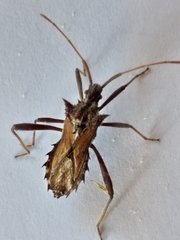
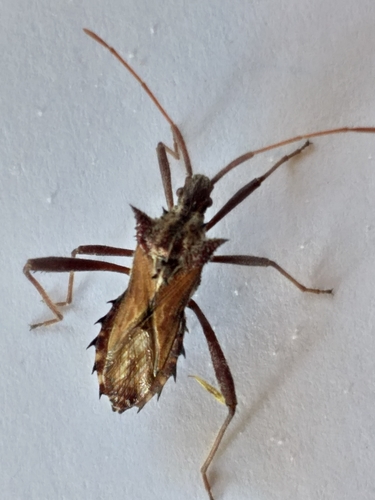
Clavigralla infestation caused 24% seed damage in regular crops.
- Taxon
- pigeon peaCajanus cajane0
- Interactor
- Clavigralla spp.
 Clavigrallae0pest
- Outcome
- seed damagee0
- Value
- 24%e0
- Qualifier
- regulare0
Organisms pictured · Representative pictures of the matched species, not figures from the paper.
Verbatim
e0“Clavigralla spp. infestations were high at the reproductive stage causing 24% and 29% seed damage in regular and ratoon pigeon pea crops, respectively.”
Claim · model-written summary
Clavigralla infestation caused 29% seed damage in ratoon crops.
- Taxon
- pigeon peaCajanus cajane0
- Interactor
- Clavigralla spp.Clavigrallae0pest
- Outcome
- seed damagee0
- Value
- 29%e0
- Qualifier
- ratoone0
Organisms pictured · Representative pictures of the matched species, not figures from the paper.
Verbatim
e0“Clavigralla spp. infestations were high at the reproductive stage causing 24% and 29% seed damage in regular and ratoon pigeon pea crops, respectively.”
Claim · model-written summary
Maize slightly suppressed pest incidence and pod and seed damage.
- Taxon
- pigeon peaCajanus cajane0
- Treatment
- Maizee0
- Interactor
- insect peste0pest
- Outcome
- insect pest incidence and damage to pigeon pea pods and seedse0
- Direction
- suppressede0
Not reportedComparator
Organisms pictured · Representative pictures of the matched species, not figures from the paper.
Verbatim
e0“Maize slightly suppressed insect pest incidence and damage to pigeon pea pods and seeds”
Claim · model-written summary
Maize significantly reduced regular crop grain yield in 2005 and 2006.
- Taxon
- pigeon peaCajanus cajane0
- Treatment
- Maizee0
- Outcome
- grain yielde0
- Direction
- reducede0
- Qualifier
- regular pigeon pea crops in 2005 and 2006e0
Not reportedComparator
Organisms pictured · Representative pictures of the matched species, not figures from the paper.
Verbatim
e0“Maize slightly suppressed insect pest incidence and damage to pigeon pea pods and seeds but significantly (P < 0.01) reduced grain yield in the regular pigeon pea crops in 2005 and 2006, although not in the 2007 ratoon.”
Claim · model-written summary
Maize did not reduce grain yield in the 2007 ratoon.
- Taxon
- Pigeon PeaCajanus cajant0
- Treatment
- Maizet0
- Outcome
- grain yielde0
- Direction
- note0
- Qualifier
- 2007 ratoone0
Not reportedComparator
Organisms pictured · Representative pictures of the matched species, not figures from the paper.
Verbatim
e0“Maize slightly suppressed insect pest incidence and damage to pigeon pea pods and seeds but significantly (P < 0.01) reduced grain yield in the regular pigeon pea crops in 2005 and 2006, although not in the 2007 ratoon.”
t0“Pigeon Pea (Cajanus cajan [L.] Huth) grown under Ratoon and in Mixture with Maize”
Claim · model-written summary
Pigeon pea genotypes differed significantly in podding stage pest incidence.
- Taxon
- pigeon peaCajanus cajane0
- Organ / stage
- podding stagee0
- Outcome
- pest incidencee0
Organisms pictured · Representative pictures of the matched species, not figures from the paper.
Verbatim
e0“The pigeon pea genotypes differed significantly (P < 0.05) in pest incidence at the podding stage in both the regular and ratoon crops”
Claim · model-written summary
Pigeon pea genotypes differed significantly in regular crop grain yield.
- Taxon
- Pigeon PeaCajanus cajant0
- Outcome
- grain yielde0
- Qualifier
- regular crope0
Organisms pictured · Representative pictures of the matched species, not figures from the paper.
Verbatim
e0“and in grain yield (P < 0.01) for the regular crop.”
t0“Pigeon Pea”
Claim · model-written summary
Ratoon crop grain yield was about 60% of regular crop yield.
- Taxon
- pigeon peaCajanus cajane0
- Outcome
- Grain yielde0
- Value
- 60%e0
- Comparator
- regular crope0
Organisms pictured · Representative pictures of the matched species, not figures from the paper.
Verbatim
e0“Grain yield of the pigeon pea ratoon crops was about 60% of the regular crop.”
Claim · model-written summary
Authors recommend ICPL 161 and ICPL 87 for pest tolerance and grain yield or hybridization.
- Taxon
- Pigeon PeaCajanus cajant0
- Material
- ICPL 161 and ICPL 87e0
- Outcome
- adopt the ICPL 161 and ICPL 87 genotypese0
Organisms pictured · Representative pictures of the matched species, not figures from the paper.
Verbatim
e0“Farmers were recommended to adopt the ICPL 161 and ICPL 87 genotypes based on pest tolerance and high grain yield or as idiotypes in pigeon pea hybridization programs.”
t0“Pigeon Pea”
The same questions in other papers
Zea mays · yield · Cajanus cajan (pigeon pea)Positive and negative results
3 papers in the same direction as this paper · 10 in the opposite direction
- positive
- positive
- positive
10 papers more in this group
See all 14 papers →Claims are grouped by organism, treatment and what was measured or targeted. A paper counts as positive when any of its claims in the group is positive.