Abstract
A new fungal isolate that grows endophytically in sweet sorghum was identified as Helminthosporium velutinum Link ex Ficinus & Schubert. Light-microscopy of cross-sections of colonized sweet sorghum roots showed that the intercellular, pigmented hyphae of the fungus was mostly limited to the epidermal layer and formed outer mantle-like structures. This endophyte has the ability to significantly increase sweet sorghum biomass. This is the first report of Helminthosporium as an endophyte and could help realize sustainable the biomass production for biofuel purposes.
Abstract from the paper’s OpenAlex record, shown for indexing and research. Copyright remains with the authors or the publisher. Read at the source ↗
The text the model read, with the source record’s inline markup (italics, sub- and superscripts) rendered and its character entities decoded; quote offsets refer to the raw text.
Claims 3
Claim · model-written summary
The fungal endophyte in sweet sorghum was identified as Helminthosporium velutinum.
- Taxon
- Helminthosporium velutinum
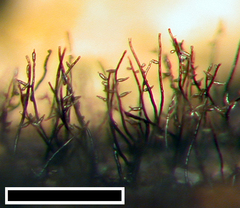 Helminthosporium velutinume0
- Interactor
- sweet sorghume0host
- Outcome
- identified as Helminthosporium velutinume0
Not reportedDirection
Organisms pictured · Representative pictures of the matched species, not figures from the paper.
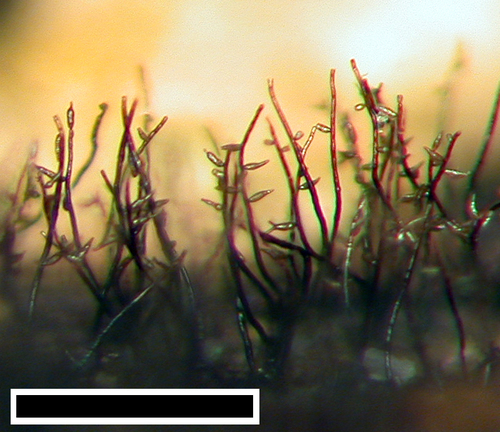
Verbatim
e0“A new fungal isolate that grows endophytically in sweet sorghum was identified as Helminthosporium velutinum Link ex Ficinus & Schubert”
Claim · model-written summary
In sweet sorghum roots, fungal hyphae were mainly restricted to the epidermis and formed outer mantle-like structures.
- Taxon
- sweet sorghume0
- Organ / stage
- rootse0
- Interactor
- Helminthosporium velutinumHelminthosporium velutinumt0symbiont
- Outcome
- hyphae of the fungus was mostly limited to the epidermal layer and formed outer mantle-like structurese0
Not reportedDirection
Organisms pictured · Representative pictures of the matched species, not figures from the paper.
Verbatim
e0“colonized sweet sorghum roots showed that the intercellular, pigmented hyphae of the fungus was mostly limited to the epidermal layer and formed outer mantle-like structures”
t0“Helminthosporium velutinum”
Claim · model-written summary
The endophyte significantly increased sweet sorghum biomass.
- Taxon
- sweet sorghume0
- Treatment
- This endophytee0
- Interactor
- Helminthosporium velutinumHelminthosporium velutinumt0symbiont
- Outcome
- sweet sorghum biomasse0
- Direction
- increasee0
Not reportedComparator
Organisms pictured · Representative pictures of the matched species, not figures from the paper.
Verbatim
e0“This endophyte has the ability to significantly increase sweet sorghum biomass”
t0“Helminthosporium velutinum”