Abstract
Abstract The subfamily Camphorosmioideae is described together with a synopsis of the 18 genera included in it. The species of the genera Kochia and Chenolea are transferred to Bassia and this involves 12 new combinations. The Australian species with spiny appendages formerly included in Bassia are transferred to Sclerolaena and 3 new genera, Neobassia with 2 species and Eriochiton and Stelligera each with a single species; 61 new combinations are made in Sclerolaena.
Abstract from the paper’s OpenAlex record, shown for indexing and research. Copyright remains with the authors or the publisher. Read at the source ↗
The text the model read, with the source record’s inline markup (italics, sub- and superscripts) rendered and its character entities decoded; quote offsets refer to the raw text.
Claims 9
Claim · model-written summary
Camphorosmioideae is described with a synopsis of 18 genera.
Verbatim
e0“The subfamily Camphorosmioideae is described together with a synopsis of the 18 genera included in it”
Claim · model-written summary
Kochia species are transferred to Bassia.
- Outcome
- transferred to Bassiae0
 Bassia
Organisms pictured · Representative pictures of the matched species, not figures from the paper.

Verbatim
e0“The species of the genera Kochia and Chenolea are transferred to Bassia”
Claim · model-written summary
Chenolea species are transferred to Bassia.
- Outcome
- transferred to Bassiae0
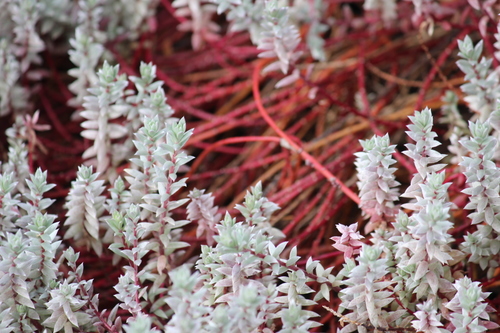
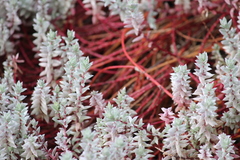 Chenolea
Organisms pictured · Representative pictures of the matched species, not figures from the paper.
Verbatim
e0“The species of the genera Kochia and Chenolea are transferred to Bassia”
Claim · model-written summary
These transfers create 12 new combinations.
Organisms pictured · Representative pictures of the matched species, not figures from the paper.
Verbatim
e0“this involves 12 new combinations”
e1“Kochia and Chenolea are transferred to Bassia”
Claim · model-written summary
Australian Bassia species with spiny appendages move to Sclerolaena.
Organisms pictured · Representative pictures of the matched species, not figures from the paper.
Verbatim
e0“The Australian species with spiny appendages formerly included in Bassia are transferred to Sclerolaena”
Claim · model-written summary
Neobassia is a new genus with two species.
 Neobassia
Organisms pictured · Representative pictures of the matched species, not figures from the paper.

Verbatim
e0“Neobassia with 2 species”
Claim · model-written summary
Eriochiton is a new genus with one species.
- Taxon
- Eriochiton
 Eriochitone0
- Outcome
- a single speciese0
Organisms pictured · Representative pictures of the matched species, not figures from the paper.

Verbatim
e0“Eriochiton and Stelligera each with a single species”
Claim · model-written summary
Stelligera is a new genus with one species.
- Taxon
- Stelligera
 Stelligerae0
- Outcome
- a single speciese0
Organisms pictured · Representative pictures of the matched species, not figures from the paper.

Verbatim
e0“Eriochiton and Stelligera each with a single species”
Claim · model-written summary
Sixty-one new combinations are made in Sclerolaena.
- Taxon
- Sclerolaena
 Sclerolaenae0
- Outcome
- new combinationse0
- Value
- 61 new combinationse0
Organisms pictured · Representative pictures of the matched species, not figures from the paper.

Verbatim
e0“61 new combinations are made in Sclerolaena”