Abstract
In this present study, we aimed to determine the plant diversity and floristic composition in temperate natural forest of western Himalaya. We selected three altitude range viz., lower, middle and higher altitudinal range on four aspects viz., northern, southern, western and eastern. Oak is the dominant tree species followed by pine in the case of tree species at the study site. Berberis aristata and Sarcococca saligna were dominant shrub species which belong to berberidaceae and buxaceae families. In the case of herb species, Cyperus rotundas and Viola serpens were most dominant herb species which belong to cyperaceae and violaceae families whereas, Arisaema sp. was inferior herb species which belong to araceae family. Higher number of tree and shrub species were observed at lower altitudinal range on western aspect and southern aspect whereas, least number of tree and shrub species were observed at higher altitudinal range on eastern aspect but in the herb species, maximum number were recorded at higher altitudinal range on northern aspect and minimum at lower altitudinal range on eastern aspect. In vegetation indices, tree species diversity ranged from 0.47 to 1.28, simpson’s dominace between 0.51 to .021 and species richness from 1.08 to 0.35 and shrub species diversity ranged between 2.09 to 1.40, simpson’s dominace from 0.98 to 057 and species richness ranged from 2.28 to 1.11. In herbaceous, species diversity ranged from 2.45 to 1.66, simpson’s dominace from 093 to 0.51 and species richness between 2.59 to 1.34. A pattern of tree and shrub species reduced with increasing altitude on all aspect but herb species increased with increasing altitude with all aspects. However, tree and shrub species showed similar trend but herb species showed reversed pattern to the tree and shrub species.
Abstract from the paper’s OpenAlex record, shown for indexing and research. Copyright remains with the authors or the publisher. Read at the source ↗
The text the model read, with the source record’s inline markup (italics, sub- and superscripts) rendered and its character entities decoded; quote offsets refer to the raw text.
Claims 20
Claim · model-written summary
Oak was the dominant tree species at the study site, followed by pine.
 Quercus
Organisms pictured · Representative pictures of the matched species, not figures from the paper.

Verbatim
e0“Oak is the dominant tree species followed by pine in the case of tree species at the study site.”
Claim · model-written summary
Berberis aristata was a dominant shrub species.
- Taxon
- Berberis aristata
 Berberis aristatae0
- Outcome
- dominant shrub speciese0
Organisms pictured · Representative pictures of the matched species, not figures from the paper.
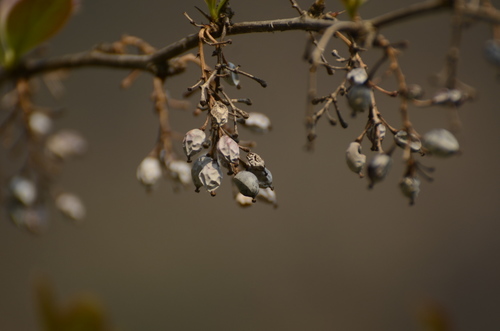
Verbatim
e0“Berberis aristata and Sarcococca saligna were dominant shrub species”
Claim · model-written summary
Sarcococca saligna was a dominant shrub species.
- Taxon
- Sarcococca saligna
 Sarcococca salignae0
- Outcome
- dominant shrub speciese0
Organisms pictured · Representative pictures of the matched species, not figures from the paper.

Verbatim
e0“Berberis aristata and Sarcococca saligna were dominant shrub species”
Claim · model-written summary
Cyperus rotundas was among the most dominant herbs.
Verbatim
e0“Cyperus rotundas and Viola serpens were most dominant herb species”
Claim · model-written summary
Viola serpens was among the most dominant herbs.
Verbatim
e0“Cyperus rotundas and Viola serpens were most dominant herb species”
Claim · model-written summary
Arisaema sp. was an inferior herb species.
- Outcome
- inferior herb speciese0
 Arisaema
Organisms pictured · Representative pictures of the matched species, not figures from the paper.

Verbatim
e0“Arisaema sp. was inferior herb species”
Claim · model-written summary
Tree and shrub species counts were highest at lower altitude on western and southern aspects.
Verbatim
t0“natural forest”
e0“Higher number of tree and shrub species were observed at lower altitudinal range on western aspect and southern aspect”
Claim · model-written summary
Tree and shrub species counts were lowest at higher altitude on the eastern aspect.
Verbatim
t0“natural forest”
e0“least number of tree and shrub species were observed at higher altitudinal range on eastern aspect”
Claim · model-written summary
Herb species count was highest at higher altitude on the northern aspect.
Verbatim
t0“natural forest”
e0“in the herb species, maximum number were recorded at higher altitudinal range on northern aspect”
Claim · model-written summary
Herb species count was lowest at lower altitude on the eastern aspect.
Verbatim
t0“natural forest”
e0“minimum at lower altitudinal range on eastern aspect”
Claim · model-written summary
Tree species diversity ranged from 0.47 to 1.28.
Verbatim
t0“natural forest”
e0“tree species diversity ranged from 0.47 to 1.28”
Claim · model-written summary
Tree Simpson dominance ranged from 0.51 to .021.
Verbatim
t0“natural forest”
e0“simpson’s dominace between 0.51 to .021”
Claim · model-written summary
Tree species richness ranged from 1.08 to 0.35.
Verbatim
t0“natural forest”
e0“species richness from 1.08 to 0.35”
Claim · model-written summary
Shrub species diversity ranged from 2.09 to 1.40.
Verbatim
t0“natural forest”
e0“shrub species diversity ranged between 2.09 to 1.40”
Claim · model-written summary
Shrub Simpson dominance ranged from 0.98 to 057.
Verbatim
t0“natural forest”
e0“simpson’s dominace from 0.98 to 057”
Claim · model-written summary
Shrub richness ranged from 2.28 to 1.11.
Verbatim
t0“natural forest”
e0“species richness ranged from 2.28 to 1.11”
Claim · model-written summary
Herb species diversity ranged from 2.45 to 1.66.
Verbatim
t0“natural forest”
e0“In herbaceous, species diversity ranged from 2.45 to 1.66”
Claim · model-written summary
Herb Simpson dominance ranged from 093 to 0.51.
Verbatim
t0“natural forest”
e0“simpson’s dominace from 093 to 0.51”
Claim · model-written summary
Herb species richness ranged from 2.59 to 1.34.
Verbatim
t0“natural forest”
e0“species richness between 2.59 to 1.34”
Claim · model-written summary
Tree and shrub species counts declined with altitude, while herb species counts increased.
Verbatim
t0“natural forest”
e0“A pattern of tree and shrub species reduced with increasing altitude on all aspect but herb species increased with increasing altitude with all aspects.”