Abstract
The paper presents the results of phytopathogenic fungi determination in bare-root forest nurseries of Middle Siberia. Genetic analysis of pathogenic microflora of Pinus sylvestris L., Pinus sibirica Du Tour and Picea obovata Ledeb. seedlings allowed identification of 17 genera of micromycetes: Phoma Sacc., Lophodermium Chevall., Sclerophoma Höhn. (teleomorph Sydowia Bres.), Cladosporium Link, Alternaria Nees, Typhula (Pers.) Fr. etc. Most frequently detected fungi represented genera Phoma (23.7 %) and Lophodermium (23.6 %). Pinus sylvestris L. seedlings harboured the highest diversity of fungal taxa. Seven genera of microscopic fungi (Phoma sp., Didymella sp., Alternaria sp., Cladosporium sp., Lophodermium sp., Gremmenia sp., Sclerophoma sp.) were detected in all studied forest zones: taiga, forest-steppe and Southern-Siberian mountain. The obtained results demonstrate the usefulness of DNA analysis for the identification of phytopathogenic fungi in forest nurseries of Middle Siberia with several implications for increasing the efficacy of forest management.
Abstract from the paper’s OpenAlex record; open copy licensed cc-by-nc. Read at the source ↗
The text the model read, with the source record’s inline markup (italics, sub- and superscripts) rendered and its character entities decoded; quote offsets refer to the raw text.
Claims 6
Claim · model-written summary
Genetic analysis of the three seedling species identified 17 genera of micromycetes.
- Taxon
- Pinus sylvestris L., Pinus sibirica Du Tour and Picea obovata Ledeb.
 Pinus sylvestris
 Pinus sibirica
 Picea obovatae0
- Outcome
- genera of micromycetese0
- Value
- 17 generae0
Organisms pictured · Representative pictures of the matched species, not figures from the paper.


Verbatim
e0“Genetic analysis of pathogenic microflora of Pinus sylvestris L., Pinus sibirica Du Tour and Picea obovata Ledeb. seedlings allowed identification of 17 genera of micromycetes”
Claim · model-written summary
Phoma was among the most frequently detected fungi at 23.7%.
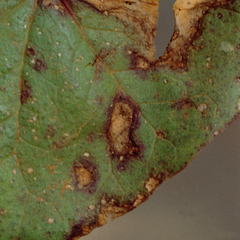 Phoma
Organisms pictured · Representative pictures of the matched species, not figures from the paper.
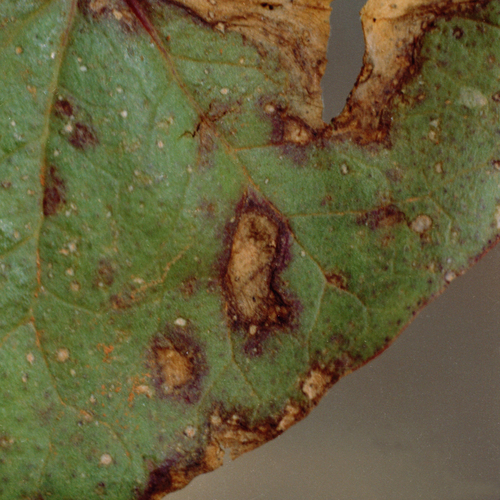
Verbatim
e0“Most frequently detected fungi represented genera Phoma (23.7 %) and Lophodermium (23.6 %)”
t0“forest nurseries”
Claim · model-written summary
Lophodermium was among the most frequently detected fungi at 23.6%.
- Taxon
- forest nurseriest0
- Interactor
- Lophodermium
 Lophodermiume0pathogen
- Outcome
- Lophodermiume0
- Value
- 23.6 %e0
Organisms pictured · Representative pictures of the matched species, not figures from the paper.

Verbatim
e0“Most frequently detected fungi represented genera Phoma (23.7 %) and Lophodermium (23.6 %)”
t0“forest nurseries”
Claim · model-written summary
Pinus sylvestris seedlings had the highest fungal taxon diversity.
- Taxon
- Pinus sylvestris L.Pinus sylvestrise0
- Outcome
- diversity of fungal taxae0
- Direction
- higheste0
Organisms pictured · Representative pictures of the matched species, not figures from the paper.
Verbatim
e0“Pinus sylvestris L. seedlings harboured the highest diversity of fungal taxa”
Claim · model-written summary
Seven fungal genera were detected in all studied forest zones.
Verbatim
e0“Seven genera of microscopic fungi (Phoma sp., Didymella sp., Alternaria sp., Cladosporium sp., Lophodermium sp., Gremmenia sp., Sclerophoma sp.) were detected in all studied forest zones: taiga, forest-steppe and Southern-Siberian mountain”
t0“forest nurseries”
Claim · model-written summary
DNA analysis was useful for identifying phytopathogenic fungi in forest nurseries.
Not reportedComparatorValue
Verbatim
e0“The obtained results demonstrate the usefulness of DNA analysis for the identification of phytopathogenic fungi in forest nurseries of Middle Siberia”
t0“forest nurseries”