Abstract
Aphis gossypii Glcv. population exhibited two annual distinct peaks during April and August on cotton plants. Also, Bemesia tabaci Genn. population showed two peaks of seasonal abundance in each season during May and September. Four distinct peaks were record to Empoasca spppopulatrons. one peak during June, two during July and last one during August in each seasons Coccinella undectrnpunctata L and Chrysoperla carnea Steph. approved to be the key predators affecting on A gossYPli population. while C undecimpunctata and Paederus alfier;i Koch were the most predators aHecting on B.tabaci. On contrary, the main factor affecting Epoasca spp. Population was the daily mean temperature and the effects of predators was relatively low
Abstract from the paper’s OpenAlex record; open copy licensed cc-by. Read at the source ↗
The text the model read, with the source record’s inline markup (italics, sub- and superscripts) rendered and its character entities decoded; quote offsets refer to the raw text.
Claims 6
Claim · model-written summary
Aphis gossypii population peaked in April and August.
- Taxon
- cotton plants
 Gossypium hirsutume0
- Interactor
- Aphis gossypii Glcv.
 Aphis gossypiie0pest
- Outcome
- Aphis gossypii Glcv. populatione0
- Value
- two annual distinct peakse0
- Qualifier
- during April and Auguste0
Organisms pictured · Representative pictures of the matched species, not figures from the paper.


Verbatim
e0“Aphis gossypii Glcv. population exhibited two annual distinct peaks during April and August on cotton plants”
Claim · model-written summary
Bemesia tabaci had two seasonal peaks in May and September.
- Taxon
- COTTON PLANTSGossypium hirsutumt0
- Interactor
- Bemesia tabaci Genn.e0pest
- Outcome
- Bemesia tabaci Genn. populatione0
- Value
- two peakse0
- Qualifier
- during May and Septembere0
Organisms pictured · Representative pictures of the matched species, not figures from the paper.
Verbatim
e0“Bemesia tabaci Genn. population showed two peaks of seasonal abundance in each season during May and September”
t0“COTTON PLANTS”
Claim · model-written summary
Empoasca populations had four peaks across June, July and August.
- Taxon
- COTTON PLANTSGossypium hirsutumt0
- Outcome
- Empoasca spppopulatronse0
- Value
- Four distinct peakse0
- Qualifier
- one peak during June, two during July and last one during Auguste0
 Empoasca
Organisms pictured · Representative pictures of the matched species, not figures from the paper.

Verbatim
e0“Four distinct peaks were record to Empoasca spppopulatrons. one peak during June, two during July and last one during August”
t0“COTTON PLANTS”
Claim · model-written summary
Coccinella undectrnpunctata and Chrysoperla carnea were key predators affecting Aphis gossypii.
- Taxon
- COTTON PLANTSGossypium hirsutumt0
- Interactor
- A gossYPlie0pest
- Second interactor
- Coccinella undectrnpunctata Le0biocontrol_agent
- Outcome
- A gossYPli populatione0
- Qualifier
- Chrysoperla carnea Steph.e0
Not reportedDirection
Organisms pictured · Representative pictures of the matched species, not figures from the paper.
Verbatim
e0“Coccinella undectrnpunctata L and Chrysoperla carnea Steph. approved to be the key predators affecting on A gossYPli population”
t0“COTTON PLANTS”
Claim · model-written summary
Coccinella and Paederus were the main predators affecting B. tabaci.
- Taxon
- COTTON PLANTSGossypium hirsutumt0
- Interactor
- B.tabacie0pest
- Second interactor
- C undecimpunctata
Coccinella undecimpunctatae0biocontrol_agent
- Outcome
- B.tabacie0
- Qualifier
- Paederus alfier;i Koche0
Not reportedDirection
Organisms pictured · Representative pictures of the matched species, not figures from the paper.
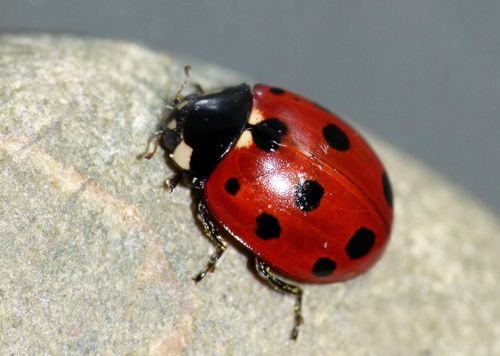
Verbatim
e0“C undecimpunctata and Paederus alfier;i Koch were the most predators aHecting on B.tabaci”
t0“COTTON PLANTS”
Claim · model-written summary
Daily mean temperature was the main factor associated with Empoasca populations; predator effects were relatively low.
- Taxon
- COTTON PLANTSGossypium hirsutumt0
- Interactor
- Epoasca spp.e0pest
- Outcome
- Epoasca spp. Populatione0
- Qualifier
- daily mean temperature and the effects of predators was relatively lowe0
Not reportedDirection
Organisms pictured · Representative pictures of the matched species, not figures from the paper.
Verbatim
e0“the main factor affecting Epoasca spp. Population was the daily mean temperature and the effects of predators was relatively low”
t0“COTTON PLANTS”