Abstract
As part of ongoing work on the Flora of the Southeastern United States (Weakley & Southeastern Flora Team 2022a) and related projects, as well as for general floristic, conservation, and scientific work in eastern North America, it is essential to document taxonomic and nomenclatural changes and significant distribution records. Here we describe three new species (in Rhynchospora, Sabulina, and Solidago), describe a new section (in Trichostema), make new combinations to treat taxa at appropriate ranks in appropriate genera and with appropriate nomenclatural application based on types (in Lycopodioides, Moeroris, Morella, Nellica, Tamala, and Trichostema), and propose the lumping of two species, resulting in a change in name and nativity status (in Sisyrinchium). These new combinations (rank changes, or generic transfers to apply newly accepted generic concepts to taxa that do not have corresponding available names at the appropriate rank) are needed to accurately reflect current taxonomic understanding of the regional flora. In the course of doing so, we discuss and address various nomenclatural issues, including typifications, and clarify characters and identification of difficult groups (providing new keys) in the regional flora. We also report significant new distribution and naturalization records in many genera, in New Jersey (taxa in the genera Anthriscus, Calibrachoa, Chaenomeles, Dichanthelium, Diplotaxis, Ditrichia, Dysphania, Erigeron, Eucommia, Eupatorium, Lepidium, Malus, Montia, Nepeta, Persicaria, Picea, Psammophiliella, Pulmonaria, Quercus, Silphium, Verbascum, Verbena, Vicia), in the Coastal Plain of Alabama and Mississippi (taxa in the genera Baptisia, Clematis, Coreopsis, Galium, Matelea, Mirabilis, Poterium, Rhynchospora, Silphium, and Symphyotrichum), in southern Indiana (taxa in the genera Andropogon, Brunnichia, Echinacea, Landoltia, Montia, Persicaria, and Solidago), and in North Carolina, Virginia, and likely other states (Euphorbia).
Abstract from the paper’s OpenAlex record; open copy licensed cc-by-nc-nd. Read at the source ↗
The text the model read, with the source record’s inline markup (italics, sub- and superscripts) rendered and its character entities decoded; quote offsets refer to the raw text.
Claims 16
Claim · model-written summary
A new Rhynchospora species is described.
- Taxon
- Rhynchospora
 Rhynchosporae0
- Outcome
- new speciese0
Organisms pictured · Representative pictures of the matched species, not figures from the paper.

Verbatim
e0“Here we describe three new species (in Rhynchospora, Sabulina, and Solidago)”
Claim · model-written summary
A new Sabulina species is described.
- Outcome
- new speciese0
 Sabulina
Organisms pictured · Representative pictures of the matched species, not figures from the paper.

Verbatim
e0“Here we describe three new species (in Rhynchospora, Sabulina, and Solidago)”
Claim · model-written summary
A new Solidago species is described.
- Outcome
- new speciese0
Organisms pictured · Representative pictures of the matched species, not figures from the paper.

Verbatim
e0“Here we describe three new species (in Rhynchospora, Sabulina, and Solidago)”
Claim · model-written summary
A new section in Trichostema is described.
- Taxon
- Trichostema
 Trichostemae0
- Outcome
- new sectione0
Organisms pictured · Representative pictures of the matched species, not figures from the paper.

Verbatim
e0“describe a new section (in Trichostema)”
Claim · model-written summary
New combinations are made in Lycopodioides.
- Taxon
- Lycopodioides
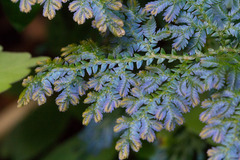 Lycopodioidese0
- Outcome
- new combinationse0
Organisms pictured · Representative pictures of the matched species, not figures from the paper.
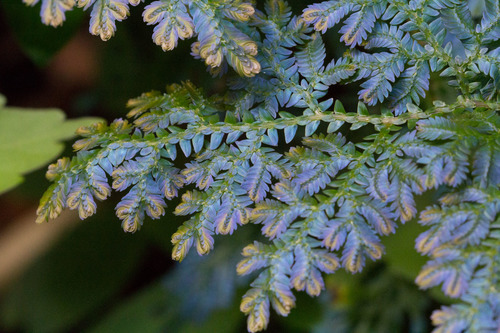
Verbatim
e0“make new combinations to treat taxa at appropriate ranks in appropriate genera and with appropriate nomenclatural application based on types (in Lycopodioides, Moeroris, Morella, Nellica, Tamala, and Trichostema)”
Claim · model-written summary
New combinations are made in Moeroris.
- Outcome
- new combinationse0
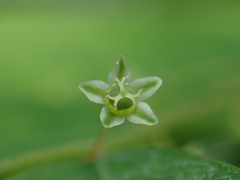 Moeroris
Organisms pictured · Representative pictures of the matched species, not figures from the paper.
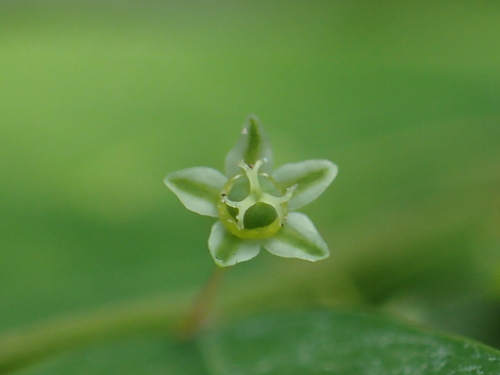
Verbatim
e0“make new combinations to treat taxa at appropriate ranks in appropriate genera and with appropriate nomenclatural application based on types (in Lycopodioides, Moeroris, Morella, Nellica, Tamala, and Trichostema)”
Claim · model-written summary
New combinations are made in Morella.
- Outcome
- new combinationse0
 Morella
Organisms pictured · Representative pictures of the matched species, not figures from the paper.

Verbatim
e0“make new combinations to treat taxa at appropriate ranks in appropriate genera and with appropriate nomenclatural application based on types (in Lycopodioides, Moeroris, Morella, Nellica, Tamala, and Trichostema)”
Claim · model-written summary
New combinations are made in Nellica.
- Outcome
- new combinationse0
Organisms pictured · Representative pictures of the matched species, not figures from the paper.
Verbatim
e0“make new combinations to treat taxa at appropriate ranks in appropriate genera and with appropriate nomenclatural application based on types (in Lycopodioides, Moeroris, Morella, Nellica, Tamala, and Trichostema)”
Claim · model-written summary
New combinations are made in Tamala.
Verbatim
e0“make new combinations to treat taxa at appropriate ranks in appropriate genera and with appropriate nomenclatural application based on types (in Lycopodioides, Moeroris, Morella, Nellica, Tamala, and Trichostema)”
Claim · model-written summary
New combinations are made in Trichostema.
- Taxon
- TrichostemaTrichostemae0
- Outcome
- new combinationse0
Organisms pictured · Representative pictures of the matched species, not figures from the paper.
Verbatim
e0“make new combinations to treat taxa at appropriate ranks in appropriate genera and with appropriate nomenclatural application based on types (in Lycopodioides, Moeroris, Morella, Nellica, Tamala, and Trichostema)”
Claim · model-written summary
Lumping two Sisyrinchium species is proposed, changing name and nativity status.
- Taxon
- Sisyrinchium
 Sisyrinchiume0
- Outcome
- lumping of two speciese0
- Qualifier
- a change in name and nativity statuse0
Organisms pictured · Representative pictures of the matched species, not figures from the paper.

Verbatim
e0“propose the lumping of two species, resulting in a change in name and nativity status (in Sisyrinchium)”
Claim · model-written summary
New keys clarify identification of difficult regional flora groups.
Not reportedValue
Verbatim
e0“clarify characters and identification of difficult groups (providing new keys) in the regional flora”
Claim · model-written summary
New distribution and naturalization records are reported for numerous genera in New Jersey.
- Taxon
- Anthriscus, Calibrachoa, Chaenomeles, Dichanthelium, Diplotaxis, Ditrichia, Dysphania, Erigeron, Eucommia, Eupatorium, Lepidium, Malus, Montia, Nepeta, Persicaria, Picea, Psammophiliella, Pulmonaria, Quercus, Silphium, Verbascum, Verbena, Viciae0
- Outcome
- new distribution and naturalization recordse0
- Setting
- New Jerseye0
Schema note from the model: Multiple taxa grouped to retain distribution coverage within the claim budget.
Verbatim
e0“We also report significant new distribution and naturalization records in many genera, in New Jersey (taxa in the genera Anthriscus, Calibrachoa, Chaenomeles, Dichanthelium, Diplotaxis, Ditrichia, Dysphania, Erigeron, Eucommia, Eupatorium, Lepidium, Malus, Montia, Nepeta, Persicaria, Picea, Psammophiliella, Pulmonaria, Quercus, Silphium, Verbascum, Verbena, Vicia)”
Claim · model-written summary
New distribution and naturalization records are reported in the Alabama and Mississippi Coastal Plain.
- Taxon
- Baptisia, Clematis, Coreopsis, Galium, Matelea, Mirabilis, Poterium, Rhynchospora, Silphium, and Symphyotrichum
 Clematis
 Mirabilis
 Coreopsis
 GaliumRhynchospora
 Baptisia
 Silphium
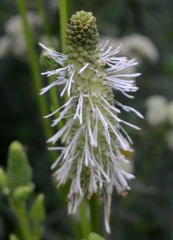 Sanguisorba
 Matelea
 Symphyotrichume1
- Outcome
- new distribution and naturalization recordse0
- Setting
- Coastal Plain of Alabama and Mississippie1
Organisms pictured · Representative pictures of the matched species, not figures from the paper.


Schema note from the model: Multiple taxa grouped to retain distribution coverage within the claim budget.
Verbatim
e0“new distribution and naturalization records”
e1“in the Coastal Plain of Alabama and Mississippi (taxa in the genera Baptisia, Clematis, Coreopsis, Galium, Matelea, Mirabilis, Poterium, Rhynchospora, Silphium, and Symphyotrichum)”
Claim · model-written summary
New distribution and naturalization records are reported in southern Indiana.
- Taxon
- Andropogon, Brunnichia, Echinacea, Landoltia, Montia, Persicaria, and Solidago
 Andropogon
 Echinacea
 Solidago
 Persicaria
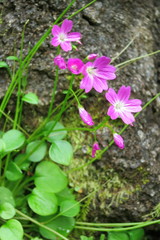 Montia
 Brunnichia
 Landoltiae1
- Outcome
- new distribution and naturalization recordse0
- Setting
- southern Indianae1
Organisms pictured · Representative pictures of the matched species, not figures from the paper.


Schema note from the model: Multiple taxa grouped to retain distribution coverage within the claim budget.
Verbatim
e0“new distribution and naturalization records”
e1“in southern Indiana (taxa in the genera Andropogon, Brunnichia, Echinacea, Landoltia, Montia, Persicaria, and Solidago)”
Claim · model-written summary
New Euphorbia distribution and naturalization records occur in North Carolina, Virginia and likely other states.
- Outcome
- new distribution and naturalization recordse0
- Qualifier
- likely other statese1
- Setting
- North Carolina, Virginiae1
 Euphorbia
Organisms pictured · Representative pictures of the matched species, not figures from the paper.

Verbatim
e0“new distribution and naturalization records”
e1“in North Carolina, Virginia, and likely other states (Euphorbia)”