Abstract
Between 1993 and 1997, farmers’ termite control methods were surveyed in maize and citrus-based systems in Nigeria, and in groundnut-based systems in five West African countries. Interviews and field observations showed that the same species of termites, Macrotermes attacked the main crops and some of the intercrop species. Nasutitermes spp. that attacked citrus were not associated with any of the companion crops in citrus intercrops. Farmers reported 5-100 % damage to maize, 0-20 % damage to cassava intercropped with maize, 0-40 % and 12-90 % damages to citrus and ground nut respectively. Although chemical and cultural control methods were applied by less than 35 % of the farmers in each of the three main crops, most of the pesticides used against termites were not ideal for meaningful termite control and may have contributed to the unsatisfactory control results. Only about 20 % of the farmers that controlled termites indicated satisfactory results. An appraisal of the cultural control practices of farmers involving the use of indigenous live plants or their extracts to repel termites in infested farms was made. Those that have been found to be effective and those that need further evaluation were highlighted. The consumption of termites as a means of termite population reduction was also discussed.
Abstract from the paper’s OpenAlex record, shown for indexing and research. Copyright remains with the authors or the publisher. Read at the source ↗
The text the model read, with the source record’s inline markup (italics, sub- and superscripts) rendered and its character entities decoded; quote offsets refer to the raw text.
Claims 10
Claim · model-written summary
Macrotermes attacked the main crops and some intercrop species.
- Interactor
- Macrotermes
 Macrotermese0pest
- Outcome
- attacked the main cropse0
- Setting
- Nigeriae1
 Citrus
 Zea mays
Organisms pictured · Representative pictures of the matched species, not figures from the paper.


Verbatim
e0“Macrotermes attacked the main crops and some of the intercrop species”
e1“maize and citrus-based systems in Nigeria, and in groundnut-based systems in five West African countries”
Claim · model-written summary
Farmers reported termite damage of 5-100 % to maize.
Organisms pictured · Representative pictures of the matched species, not figures from the paper.
Verbatim
e0“Farmers reported 5-100 % damage to maize, 0-20 % damage to cassava intercropped with maize, 0-40 % and 12-90 % damages to citrus and ground nut respectively”
Claim · model-written summary
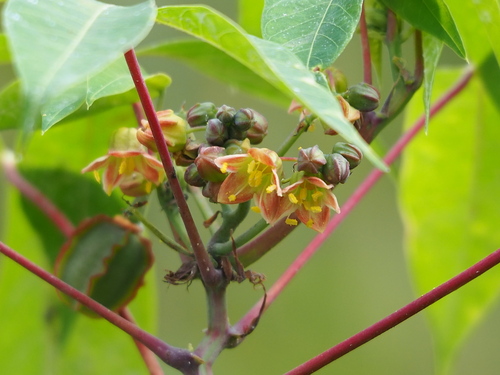
Farmers reported termite damage of 0-20 % to cassava intercropped with maize.
- Taxon
- cassava
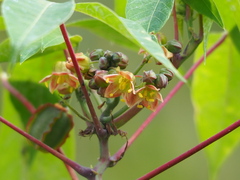 Manihot esculentae0
- Outcome
- damagee0
- Value
- 0-20 %e0
- Qualifier
- intercropped with maizee0
Organisms pictured · Representative pictures of the matched species, not figures from the paper.
Verbatim
e0“Farmers reported 5-100 % damage to maize, 0-20 % damage to cassava intercropped with maize, 0-40 % and 12-90 % damages to citrus and ground nut respectively”
Claim · model-written summary
Farmers reported termite damage of 0-40 % to citrus.
Organisms pictured · Representative pictures of the matched species, not figures from the paper.
Verbatim
e0“Farmers reported 5-100 % damage to maize, 0-20 % damage to cassava intercropped with maize, 0-40 % and 12-90 % damages to citrus and ground nut respectively”
Claim · model-written summary
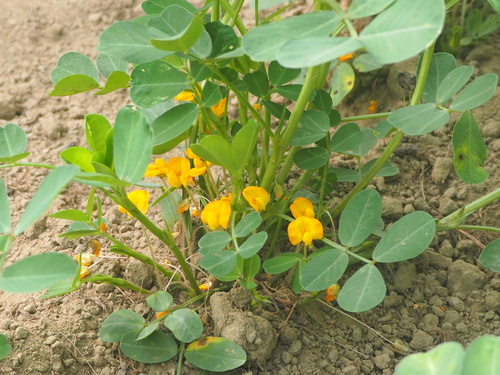
Farmers reported termite damage of 12-90 % to groundnut.
- Taxon
- ground nut
 Arachis hypogaeae0
- Outcome
- damagese0
- Value
- 12-90 %e0
Organisms pictured · Representative pictures of the matched species, not figures from the paper.
Verbatim
e0“Farmers reported 5-100 % damage to maize, 0-20 % damage to cassava intercropped with maize, 0-40 % and 12-90 % damages to citrus and ground nut respectively”
Claim · model-written summary
Chemical and cultural termite control was applied by less than 35 % of farmers in each main crop.
Verbatim
e0“Although chemical and cultural control methods were applied by less than 35 % of the farmers in each of the three main crops, most of the pesticides used against termites were not ideal for meaningful termite control and may have contributed to the unsatisfactory control results”
Claim · model-written summary
Most pesticides used against termites were not ideal for meaningful termite control and may have contributed to unsatisfactory control results.
Verbatim
e0“Although chemical and cultural control methods were applied by less than 35 % of the farmers in each of the three main crops, most of the pesticides used against termites were not ideal for meaningful termite control and may have contributed to the unsatisfactory control results”
Claim · model-written summary
Only about 20 % of farmers who controlled termites reported satisfactory results.
Organisms pictured · Representative pictures of the matched species, not figures from the paper.
Verbatim
e0“maize and citrus-based systems in Nigeria, and in groundnut-based systems in five West African countries”
e1“Only about 20 % of the farmers that controlled termites indicated satisfactory results”
Claim · model-written summary
Nasutitermes spp. attacking citrus were not associated with any companion crop in citrus intercrops.
- Interactor
- Nasutitermes spp.
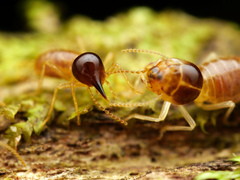 Nasutitermese0pest
- Outcome
- not associated with any of the companion cropse0
Organisms pictured · Representative pictures of the matched species, not figures from the paper.
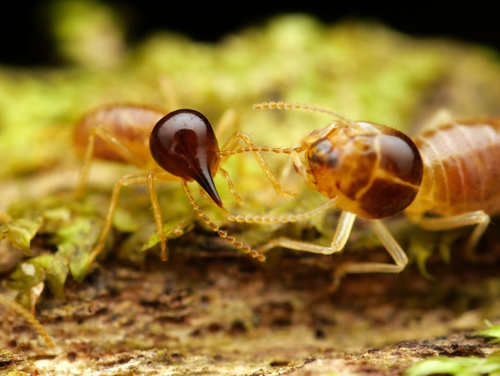
Verbatim
e0“Nasutitermes spp. that attacked citrus were not associated with any of the companion crops in citrus intercrops”
Claim · model-written summary
Some indigenous live plants or their extracts were found effective for repelling termites, and others need further evaluation.
Verbatim
e0“the use of indigenous live plants or their extracts to repel termites in infested farms”
e1“Those that have been found to be effective and those that need further evaluation were highlighted”