Abstract
Plant-parasitic nematodes (PPNs) are significant soil-borne pests that cause economic losses in mint (Mentha piperita L.) and parsley (Petroselinum crispum Mill.) farming. This study aimed to examine the PPN fauna in the Kahramankazan district of Ankara, Türkiye, where these crops are intensively cultivated. A total of 50 soil samples were collected from locations including Saray, Kumpınar, Yazıbeyli, Aydın, and Güvenç, and nematodes were isolated using a modified Baermann funnel method. The nematodes were identified based on their morphological characteristics. Important species such as Aphelenchus avenae, Basiria berylla, Helicotylenchus dihystera, Ditylenchus dipsaci, and Pratylenchus thornei were found. The most abundant genera were Helicotylenchus and Filenchus, detected in 88% and 86% of the infested samples, respectively. The least common genera were Psilenchus and Basiria at 28%. This study provides essential data for managing nematode problems in mint and parsley cultivation.
Abstract from the paper’s OpenAlex record, shown for indexing and research. Copyright remains with the authors or the publisher. Read at the source ↗
The text the model read, with the source record’s inline markup (italics, sub- and superscripts) rendered and its character entities decoded; quote offsets refer to the raw text.
Claims 4
Claim · model-written summary
Helicotylenchus was among the most abundant nematode genera, detected in 88% of infested samples.
- Taxon
- mint (Mentha piperita L.) and parsley (Petroselinum crispum Mill.)
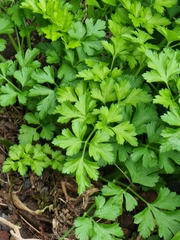 Petroselinum crispum
 Mentha ×piperitae3
- Interactor
- Helicotylenchus
 Helicotylenchuse0pest
- Outcome
- most abundant generae0
- Value
- 88%e0
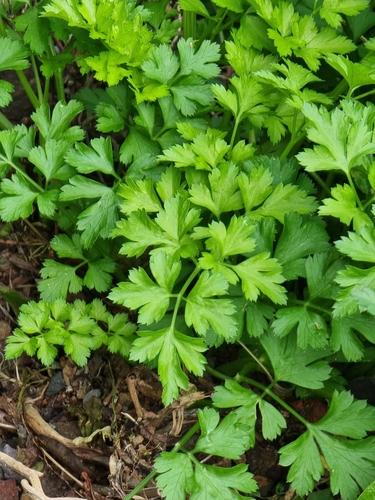
Organisms pictured · Representative pictures of the matched species, not figures from the paper.


Verbatim
e0“The most abundant genera were Helicotylenchus and Filenchus, detected in 88% and 86% of the infested samples”
e3“economic losses in mint (Mentha piperita L.) and parsley (Petroselinum crispum Mill.) farming”
Claim · model-written summary
Filenchus was among the most abundant nematode genera, detected in 86% of infested samples.
- Taxon
- mint (Mentha piperita L.) and parsley (Petroselinum crispum Mill.)Petroselinum crispumMentha ×piperitae3
- Outcome
- most abundant generae0
- Value
- 86%e0
Organisms pictured · Representative pictures of the matched species, not figures from the paper.
Verbatim
e0“The most abundant genera were Helicotylenchus and Filenchus, detected in 88% and 86% of the infested samples”
e3“economic losses in mint (Mentha piperita L.) and parsley (Petroselinum crispum Mill.) farming”
Claim · model-written summary
Psilenchus and Basiria were the least common nematode genera, at 28% of samples.
- Taxon
- mint (Mentha piperita L.) and parsley (Petroselinum crispum Mill.)Petroselinum crispumMentha ×piperitae3
- Interactor
- PsilenchusPsilenchuse1pest
- Outcome
- least common generae1
- Value
- 28%e1
Organisms pictured · Representative pictures of the matched species, not figures from the paper.
Verbatim
e1“The least common genera were Psilenchus and Basiria at 28%”
e3“economic losses in mint (Mentha piperita L.) and parsley (Petroselinum crispum Mill.) farming”
Claim · model-written summary
Important plant-parasitic nematode species were found in mint and parsley fields.
- Taxon
- mint (Mentha piperita L.) and parsley (Petroselinum crispum Mill.)Petroselinum crispumMentha ×piperitae3
- Interactor
- Aphelenchus avenaeAphelenchus avenaee2pest
- Second interactor
- Basiria beryllae2pest
- Outcome
- Important speciese2
- Qualifier
- Helicotylenchus dihystera, Ditylenchus dipsaci, and Pratylenchus thorneie2
Organisms pictured · Representative pictures of the matched species, not figures from the paper.
Verbatim
e2“Important species such as Aphelenchus avenae, Basiria berylla, Helicotylenchus dihystera, Ditylenchus dipsaci, and Pratylenchus thornei were found”
e3“economic losses in mint (Mentha piperita L.) and parsley (Petroselinum crispum Mill.) farming”