Abstract
The topic was root rot of wheat in continuously sown crop lands. Continuous planting of spring wheat in one area builds up disease causing material in soil. Simple rotation of non-cereal crops led to a reduction in spores. The aggressiveness of plant pathogens, such as infectious fungi, over long periods affected the number of variables within such pathogen and was determined by genetic factors.
Abstract from the paper’s OpenAlex record, shown for indexing and research. Copyright remains with the authors or the publisher. Read at the source ↗
The text the model read, with the source record’s inline markup (italics, sub- and superscripts) rendered and its character entities decoded; quote offsets refer to the raw text.
Claims 3
Claim · model-written summary
Continuous spring wheat planting built up disease-causing material in soil.
- Taxon
- wheat
 Triticum aestivume0
- Treatment
- Continuous planting of spring wheate0
- Outcome
- disease causing material in soile0
- Direction
- builds upe0
Organisms pictured · Representative pictures of the matched species, not figures from the paper.

Verbatim
e0“Continuous planting of spring wheat in one area builds up disease causing material in soil”
Claim · model-written summary
Rotation with noncereal crops reduced spores.
- Taxon
- WheatTriticum aestivumt0
- Treatment
- Simple rotation of non-cereal cropse0
- Interactor
- Cochliobolus sativus
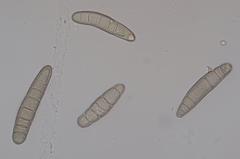 Bipolaris sorokinianat0pathogen
- Outcome
- sporese0
- Direction
- reductione0
Not reportedComparator
Organisms pictured · Representative pictures of the matched species, not figures from the paper.
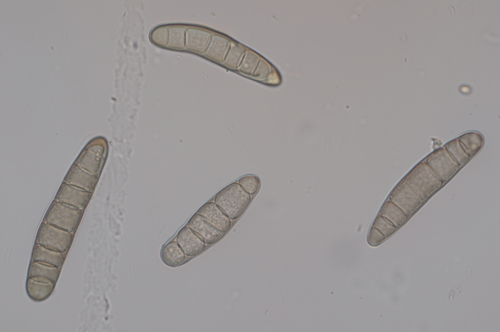
Verbatim
e0“Simple rotation of non-cereal crops led to a reduction in spores”
t0“Cochliobolus sativus, Agent of Wheat Root Rot”
Claim · model-written summary
Pathogen aggressiveness over time affected variation within the pathogen and was attributed to genetic factors.
- Taxon
- WheatTriticum aestivumt0
- Interactor
- Cochliobolus sativusBipolaris sorokinianat0pathogen
- Outcome
- number of variables within such pathogene0
- Qualifier
- genetic factorse0
Organisms pictured · Representative pictures of the matched species, not figures from the paper.
Verbatim
e0“The aggressiveness of plant pathogens, such as infectious fungi, over long periods affected the number of variables within such pathogen and was determined by genetic factors”
t0“Cochliobolus sativus, Agent of Wheat Root Rot”
The same questions in other papers
rotation · Bipolaris sorokiniana · Triticum aestivum (wheat)Positive and negative results
1 paper in the same direction as this paper · 1 reporting no difference from an alternative
- no effect
- positive
Claims are grouped by organism, treatment and what was measured or targeted. A paper counts as positive when any of its claims in the group is positive.