Claim · model-written summary
O. laevigatus prefers young and tender chrysanthemum tissues for oviposition.
- Taxon
- chrysanthemum
 Chrysanthemume2
- Organ / stage
- young and tender chrysanthemum tissuese2
- Interactor
- O. laevigatus
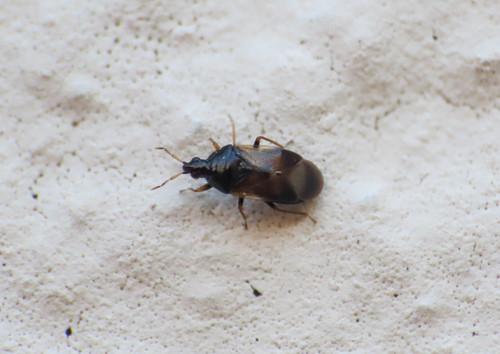
 Orius laevigatuse2other
- Outcome
- preferencee2
Not reportedMaterialGeneCompoundSecond interactorSecond interactor roleTreatmentComparatorSettingDirectionValueQualifier
Organisms pictured · Representative pictures of the matched species, not figures from the paper.

Verbatim
e2“Our results show a preference of O. laevigatus for young and tender chrysanthemum tissues, where the survival of the nymphs was longer on a plant diet”
Title
Angelos Mouratidis; Christiaan Bootsma; Marcel Dicke; et al. Insect Science 2024. doi:10.1111/1744-7917.13465
Other claims from this paper (5)
- Observation Nymphs of O. laevigatus survive longer on a plant diet of young chrysanthemum tissues.
- Observation O. majusculus selects older chrysanthemum plant parts when laying eggs.
- Observation Nymphs of O. majusculus did not survive long on any of the chrysanthemum plant tissues offered.
- Observation Foraging activity of Orius females for animal prey showed no specific pattern for either predator species.
- Intervention effect More eggs were laid in older chrysanthemum tissue when animal prey was offered lower on the plant.