Abstract
The relationships of species were studied by making crosses in the genus Hordeum. Most of the crosses were between H. vulgare and one of the wild species. Embryo culture was necessary to produce most hybrids. The methods used for the preparation of the nutrient agar and for the excision of the embryos are given. Data on the seeds harvested, embryos transplanted, embryos germinated, and on the number of surviving plants are listed for 111 interspecific and six intergeneric crosses. In most of these crosses viable embryos were produced which later germinated and grew normally for a time but later died. Fourteen viable hybrids were obtained.
Abstract from the paper’s OpenAlex record, shown for indexing and research. Copyright remains with the authors or the publisher. Read at the source ↗
The text the model read, with the source record’s inline markup (italics, sub- and superscripts) rendered and its character entities decoded; quote offsets refer to the raw text.
Claims 3
Claim · model-written summary
Embryo culture was necessary to produce most Hordeum hybrids.
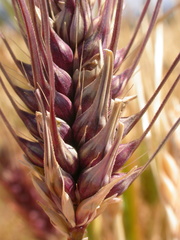 Hordeum
Organisms pictured · Representative pictures of the matched species, not figures from the paper.
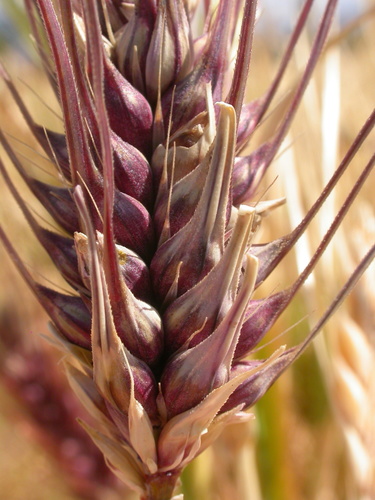
Verbatim
e0“The relationships of species were studied by making crosses in the genus Hordeum”
e1“Embryo culture was necessary to produce most hybrids”
Claim · model-written summary
In most crosses, viable embryos were produced that germinated and grew normally for a time but later died.
Organisms pictured · Representative pictures of the matched species, not figures from the paper.
Verbatim
e0“The relationships of species were studied by making crosses in the genus Hordeum”
e2“In most of these crosses viable embryos were produced which later germinated and grew normally for a time but later died”
Claim · model-written summary
Fourteen viable Hordeum hybrids were obtained.
Organisms pictured · Representative pictures of the matched species, not figures from the paper.
Verbatim
e0“The relationships of species were studied by making crosses in the genus Hordeum”
e3“Fourteen viable hybrids were obtained”