Abstract
Poincianella pyramidalis (Tul.) L.P. Queiroz (‘catingueira’) is one of the most used trees by rural communities for wood and charcoal in the caatinga of northeast Brazil. It grows rapidly and can survive and thrive after either wet or dry season coppicing or pollarding. This paper explores the anatomical basis for P. pyramidalis being a good choice for fuel and charcoal by comparing the proportions of the constituent cell types (vessels, fibres and parenchyma) in wood from the trunk and branches of original trees with those from regrowth branches after three and six years. Since wood density is correlated with mechanical and physiological strategies of trees, the observations suggest that the anatomical differences between branch and regrowth are the result of rapid regrowth after coppicing or pollarding. The observed differences in cell type proportions along the trunk and branches are of interest from a physiological point of view but have little bearing on whether the regrowth is good for charcoal.
Abstract from the paper’s OpenAlex record, shown for indexing and research. Copyright remains with the authors or the publisher. Read at the source ↗
The text the model read, with the source record’s inline markup (italics, sub- and superscripts) rendered and its character entities decoded; quote offsets refer to the raw text.
Claims 3
Claim · model-written summary
Wood cell type proportions differed along trunks and branches.
- Taxon
- Poincianella Pyramidalis
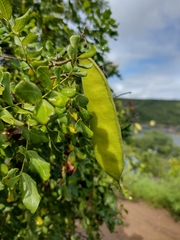 Cenostigma pyramidalet0
- Outcome
- differences in cell type proportionse0
Organisms pictured · Representative pictures of the matched species, not figures from the paper.
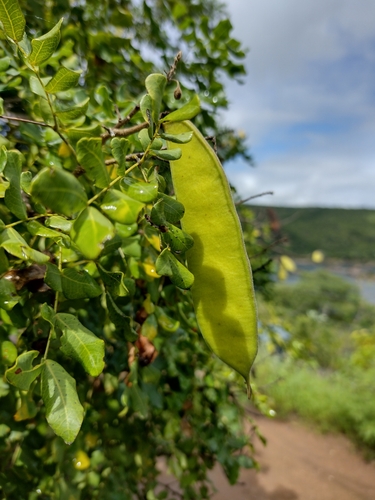
Verbatim
e0“The observed differences in cell type proportions along the trunk and branches”
t0“Poincianella Pyramidalis”
Claim · model-written summary
Anatomical differences between branches and regrowth are attributed to rapid regrowth after coppicing or pollarding.
- Taxon
- Poincianella pyramidalisCenostigma pyramidalet0
- Outcome
- anatomical differences between branch and regrowthe0
- Qualifier
- rapid regrowth after coppicing or pollardinge0
Organisms pictured · Representative pictures of the matched species, not figures from the paper.
Verbatim
e0“the anatomical differences between branch and regrowth are the result of rapid regrowth after coppicing or pollarding”
t0“Poincianella pyramidalis”
Claim · model-written summary
The observed cell type differences have little bearing on regrowth suitability for charcoal.
- Taxon
- Poincianella pyramidalisCenostigma pyramidalet0
- Outcome
- regrowth is good for charcoale0
Organisms pictured · Representative pictures of the matched species, not figures from the paper.
Verbatim
e0“have little bearing on whether the regrowth is good for charcoal”
t0“Poincianella pyramidalis”