Abstract
Several studies have showed the antibacterial activity of oregano essential oils (OEO) chemotypes, carvarol and thymol against Gram positive and Gram negative pathogenic bacteria, but lack information on OEO antibacterial activity against beneficial bacteria. The object of this study was to compare the composition and minimum bactericidal concentration (MBC) of Origanum gender chemotypes: O. vulgare L. ssp. hirtum (OH), O. majorana (OM) y O. vulgare L. (OL) harvested in Colombia, against Lippia origanoides Kunth (LO) from Alto Patía in Colombia, and O. vulgare L. ssp. hirtum (OG) from Greece. The OEO composition was analyzed by gas chromatography coupled to mass spectrometer and its antibacterial activity by broth dilution and agar culture method. Three chemotypes were evaluated, OH and OG were carvacrol-type, LO and OL were thymol-tipe and OM was rich in sabinyl compound. The highest precursors content was showed to OEO from oregano varieties produced under greenhouse conditions at high altitude. The same bactericidal activity against Salmonella enteritidis (0.098 mg/mL) for OH and LO was founded. The lowest bactericidal activity against beneficial bacteria Lactobacillus acidophilus and Bifidobacterium breve was observed for OM (6.25 mg/mL) and LO (50 mg/mL), respectively. These results showed that LO native to Colombia had a comparable effect to OH and carvacrol against pathogenic enterobacteria and the lowest bactericidal activity against beneficial bacteria. These results showed a selective bactericidal effect against pathogenic beneficial bacteria of Origanum ssp. and L. origanoides chemotypes. A good potential to use L. origanoides as antimicrobial additive for animal and human health was found.
Abstract from the paper’s OpenAlex record; open copy licensed other-oa. Read at the source ↗
The text the model read, with the source record’s inline markup (italics, sub- and superscripts) rendered and its character entities decoded; quote offsets refer to the raw text.
Claims 9
Claim · model-written summary
Oregano chemotypes OH and OG were of the carvacrol type.
 Origanum
Organisms pictured · Representative pictures of the matched species, not figures from the paper.

Verbatim
e1“The object of this study was to compare the composition and minimum bactericidal concentration (MBC) of Origanum gender chemotypes”
e2“Three chemotypes were evaluated, OH and OG were carvacrol-type, LO and OL were thymol-tipe and OM was rich in sabinyl compound”
Claim · model-written summary
Chemotypes LO and OL were of the thymol type.
Organisms pictured · Representative pictures of the matched species, not figures from the paper.
Verbatim
e1“The object of this study was to compare the composition and minimum bactericidal concentration (MBC) of Origanum gender chemotypes”
e2“Three chemotypes were evaluated, OH and OG were carvacrol-type, LO and OL were thymol-tipe and OM was rich in sabinyl compound”
Claim · model-written summary
Chemotype OM was rich in a sabinyl compound.
Organisms pictured · Representative pictures of the matched species, not figures from the paper.
Verbatim
e1“The object of this study was to compare the composition and minimum bactericidal concentration (MBC) of Origanum gender chemotypes”
e2“Three chemotypes were evaluated, OH and OG were carvacrol-type, LO and OL were thymol-tipe and OM was rich in sabinyl compound”
Claim · model-written summary
Oregano varieties produced under greenhouse conditions at high altitude had the highest precursor content.
- Taxon
- oregano
 Origanum vulgaree1
- Outcome
- precursors contente1
- Direction
- higheste1
- Setting
- greenhouse conditions at high altitudee1
Organisms pictured · Representative pictures of the matched species, not figures from the paper.

Verbatim
e1“The highest precursors content was showed to OEO from oregano varieties produced under greenhouse conditions at high altitude”
e2“The object of this study was to compare the composition and minimum bactericidal concentration (MBC) of Origanum gender chemotypes”
Claim · model-written summary
Chemotypes OH and LO had the same bactericidal activity against Salmonella enteritidis (0.098 mg/mL).
- Material
- OH and LOe1
- Interactor
- Salmonella enteritidis
 Salmonella enterica subsp. enterica serovar Enteritidise1pathogen
- Outcome
- bactericidal activitye1
- Value
- 0.098 mg/mLe1
Organisms pictured · Representative pictures of the matched species, not figures from the paper.

Verbatim
e1“The same bactericidal activity against Salmonella enteritidis (0.098 mg/mL) for OH and LO was founded”
e2“The object of this study was to compare the composition and minimum bactericidal concentration (MBC) of Origanum gender chemotypes”
Claim · model-written summary
Chemotype OM had the lowest bactericidal activity against Lactobacillus acidophilus (6.25 mg/mL).
- Material
- OMe1
- Interactor
- Lactobacillus acidophilus
 Lactobacillus acidophiluse1other
- Outcome
- lowest bactericidal activity against beneficial bacteriae1
- Value
- 6.25 mg/mLe1
Organisms pictured · Representative pictures of the matched species, not figures from the paper.

Verbatim
e1“The lowest bactericidal activity against beneficial bacteria Lactobacillus acidophilus and Bifidobacterium breve was observed for OM (6.25 mg/mL) and LO (50 mg/mL)”
e2“The object of this study was to compare the composition and minimum bactericidal concentration (MBC) of Origanum gender chemotypes”
Claim · model-written summary
Chemotype LO had the lowest bactericidal activity against Bifidobacterium breve (50 mg/mL).
- Material
- LOe1
- Interactor
- Bifidobacterium breveBifidobacterium brevee1other
- Outcome
- lowest bactericidal activity against beneficial bacteriae1
- Value
- 50 mg/mLe1
Organisms pictured · Representative pictures of the matched species, not figures from the paper.
Verbatim
e1“The lowest bactericidal activity against beneficial bacteria Lactobacillus acidophilus and Bifidobacterium breve was observed for OM (6.25 mg/mL) and LO (50 mg/mL)”
e2“The object of this study was to compare the composition and minimum bactericidal concentration (MBC) of Origanum gender chemotypes”
Claim · model-written summary
LO had a bactericidal effect against pathogenic enterobacteria comparable to OH and carvacrol.
- Material
- LOe1
- Interactor
- pathogenic enterobacteriae1pathogen
- Outcome
- comparable effecte1
- Comparator
- OH and carvacrole1
Organisms pictured · Representative pictures of the matched species, not figures from the paper.
Verbatim
e1“These results showed that LO native to Colombia had a comparable effect to OH and carvacrol against pathogenic enterobacteria”
e2“The object of this study was to compare the composition and minimum bactericidal concentration (MBC) of Origanum gender chemotypes”
Claim · model-written summary
The authors found good potential for L. origanoides as an antimicrobial additive for animal and human health.
- Taxon
- L. origanoides
 Lippia origanoidese1
- Outcome
- good potentiale1
Organisms pictured · Representative pictures of the matched species, not figures from the paper.
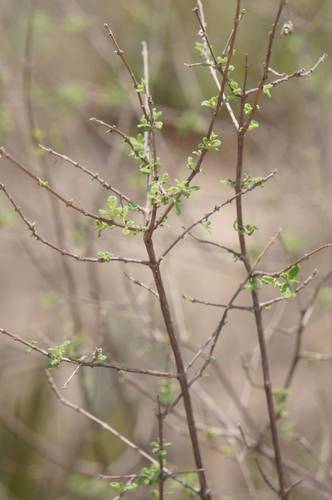
Verbatim
e1“A good potential to use L. origanoides as antimicrobial additive for animal and human health was found”