Abstract
Rhynchosporium consists of two species, R. secalis and R. orthosporum. Both are pathogens of grasses with R. secalis infecting a variety of Poaceae hosts and R. orthosporum infecting Dactylis glomerata. Phylogenetic analyses of multilocus DNA sequence data on R. secalis isolates originating from cultivated barley, rye, triticale and other grasses, including Agropyron spp., Bromus diandrus and Hordeum spp., resolved the monophyletic groups into three species according to their respective hosts. Host specificity according to phylogenetic lineages was confirmed with pathogenicity studies. Because R. secalis was described first on rye this name is retained for Rhynchosporium isolates infecting rye and triticale. Rhynchosporium isolates infecting cultivated barley and other Hordeum spp. and Bromus diandrus belong to a distinct species, R. commune. Similarly isolates infecting Agropyron spp. represent a distinct species of Rhynchosporium, namely R. agropyri. A PCR-RFLP assay was developed as a rapid tool for species identification of R. secalis and R. commune.
Abstract from the paper’s OpenAlex record, shown for indexing and research. Copyright remains with the authors or the publisher. Read at the source ↗
The text the model read, with the source record’s inline markup (italics, sub- and superscripts) rendered and its character entities decoded; quote offsets refer to the raw text.
Claims 6
Claim · model-written summary
Multilocus phylogenetic analysis resolved R. secalis isolates into three host-associated species.
- Taxon
- R. secalis
 Rhynchosporium secalise0
- Outcome
- three speciese0
- Value
- threee0
Organisms pictured · Representative pictures of the matched species, not figures from the paper.

Verbatim
e0“Phylogenetic analyses of multilocus DNA sequence data on R. secalis isolates originating from cultivated barley, rye, triticale and other grasses, including Agropyron spp., Bromus diandrus and Hordeum spp., resolved the monophyletic groups into three species according to their respective hosts.”
Claim · model-written summary
Pathogenicity studies confirmed host specificity of the phylogenetic lineages.
- Taxon
- Rhynchosporium
 Rhynchosporiumt0
- Outcome
- Host specificitye0
Organisms pictured · Representative pictures of the matched species, not figures from the paper.

Verbatim
e0“Host specificity according to phylogenetic lineages was confirmed with pathogenicity studies.”
t0“Rhynchosporium”
Claim · model-written summary
The name R. secalis is retained for isolates infecting rye and triticale.
- Taxon
- RhynchosporiumRhynchosporiume0
- Material
- R. secalise0
- Interactor
- rye and triticale
 Secale cereale
 ×Triticosecalee0host
- Outcome
- this name is retainede0
Organisms pictured · Representative pictures of the matched species, not figures from the paper.


Verbatim
e0“Because R. secalis was described first on rye this name is retained for Rhynchosporium isolates infecting rye and triticale.”
Claim · model-written summary
Isolates infecting cultivated barley, other Hordeum species and Bromus diandrus belong to R. commune.
- Taxon
- R. communeRhynchosporium graminicolae0
- Interactor
- cultivated barley
 Hordeum vulgaree0host
- Outcome
- a distinct speciese0
- Qualifier
- Bromus diandruse0
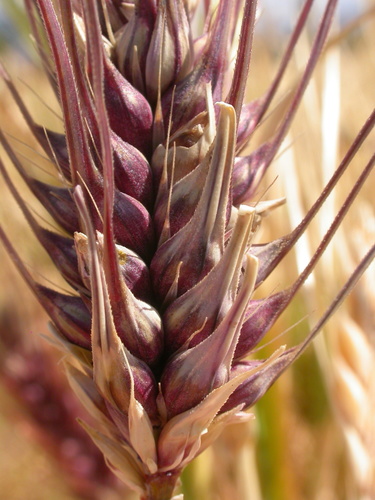
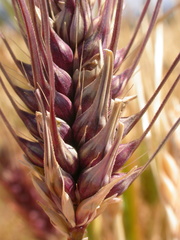 Hordeum
Organisms pictured · Representative pictures of the matched species, not figures from the paper.

Verbatim
e0“Rhynchosporium isolates infecting cultivated barley and other Hordeum spp. and Bromus diandrus belong to a distinct species, R. commune.”
Claim · model-written summary
Isolates infecting Agropyron species represent the distinct species R. agropyri.
- Taxon
- R. agropyriRhynchosporium agropyrie0
- Outcome
- a distinct speciese0
 Agropyron
Organisms pictured · Representative pictures of the matched species, not figures from the paper.

Verbatim
e0“Similarly isolates infecting Agropyron spp. represent a distinct species of Rhynchosporium, namely R. agropyri.”
Claim · model-written summary
A rapid PCR-RFLP assay was developed for identifying R. secalis and R. commune.
- Taxon
- R. secalis and R. communeRhynchosporium secalisRhynchosporium graminicolae0
- Outcome
- species identificatione0
Not reportedComparator
Organisms pictured · Representative pictures of the matched species, not figures from the paper.
Verbatim
e0“A PCR-RFLP assay was developed as a rapid tool for species identification of R. secalis and R. commune.”