Abstract
OBJECTIVE: To identify the chemical constituents and biological activities of essential oil and crude methanol extract of Artemisia vulgaris (A. vulgaris) and Gaultheria fragrantissima (G. fragrantissima). METHODS: Phytochemical screening, total phenolic and flavonoid content, antibacterial activities, anti-oxidant assay of the crude extract were carried out to identify the biological activities and phytonutrients present in the extract. Furthermore, the chemical constituents present in the essential oil and crude methanol extract were analyzed using gas chromatography mass spectroscopy and high performance liquid chromatography (HPLC) analysis. RESULTS: Gas chromatography mass spectroscopy analysis of essential oil from the aerial part of A. vulgaris revealed 24 different compounds in it. Sabinene (11.29%), β-thujone (19.19%), chrysanthenone (4.48%), camphor (11.89%), borneol (4.44%) and germacrene D (8.42%) were the major compounds. Similarly, leaves of G. fragrantissima contained methyl salicylate (95%) and asarone (4.64%). Furthermore, methanol extract of leaves of A. vulgaris and G. fragrantissima were found rich in the total flavonoids and phenolic content. HPLC analysis of the methanol extract of leaves A. vulgaris revealed the presence of morin and luteolin, whereas rutin was found as a major flavonoids compound in the leaves of G. fragrantissima. Further, methanol extract of the A. vulgaris and G. fragrantissima showed the highest antioxidant and antibacterial properties compared to the essential oil. CONCLUSIONS: The HPLC analysis of the methanol extract of A. vulgaris shows the presence of luteolin and morin, whereas G. fragrantissima reveals the presence of rutin and a glycosylated flavonoids. Results reveal that A. vulgaris oil is the rich source of monoterpene and sesquiterpene compounds. Furthermore, A. vulgaris and G. fragrantissima are the rich source of the phenolic and flavonoids compounds and show good antioxidant and antibacterial activity.
Abstract from the paper’s OpenAlex record; open copy licensed cc-by-nc-nd. Read at the source ↗
The text the model read, with the source record’s inline markup (italics, sub- and superscripts) rendered and its character entities decoded; quote offsets refer to the raw text.
Claims 16
Claim · model-written summary
GC-MS analysis of the essential oil from the aerial part of A. vulgaris revealed 24 different compounds.
- Taxon
- A. vulgaris
 Artemisia vulgarise1
- Organ / stage
- aerial parte1
- Outcome
- compoundse1
- Value
- 24 different compoundse1
Organisms pictured · Representative pictures of the matched species, not figures from the paper.

Verbatim
e1“Gas chromatography mass spectroscopy analysis of essential oil from the aerial part of A. vulgaris revealed 24 different compounds in it”
Claim · model-written summary
Sabinene was a major compound of the A. vulgaris essential oil at 11.29%.
- Taxon
- A. vulgarisArtemisia vulgarise1
- Organ / stage
- aerial parte1
- Outcome
- Sabinenee2
- Value
- 11.29%e2
Organisms pictured · Representative pictures of the matched species, not figures from the paper.
Verbatim
e1“Gas chromatography mass spectroscopy analysis of essential oil from the aerial part of A. vulgaris revealed 24 different compounds in it”
e2“Sabinene (11.29%)”
Claim · model-written summary
β-thujone was a major compound of the A. vulgaris essential oil at 19.19%.
- Taxon
- A. vulgarisArtemisia vulgarise1
- Organ / stage
- aerial parte1
- Outcome
- β-thujonee2
- Value
- 19.19%e2
Organisms pictured · Representative pictures of the matched species, not figures from the paper.
Verbatim
e1“Gas chromatography mass spectroscopy analysis of essential oil from the aerial part of A. vulgaris revealed 24 different compounds in it”
e2“β-thujone (19.19%)”
Claim · model-written summary
Chrysanthenone was a major compound of the A. vulgaris essential oil at 4.48%.
- Taxon
- A. vulgarisArtemisia vulgarise1
- Organ / stage
- aerial parte1
- Outcome
- chrysanthenonee2
- Value
- 4.48%e2
Organisms pictured · Representative pictures of the matched species, not figures from the paper.
Verbatim
e1“Gas chromatography mass spectroscopy analysis of essential oil from the aerial part of A. vulgaris revealed 24 different compounds in it”
e2“chrysanthenone (4.48%)”
Claim · model-written summary
Camphor was a major compound of the A. vulgaris essential oil at 11.89%.
- Taxon
- A. vulgarisArtemisia vulgarise1
- Organ / stage
- aerial parte1
- Outcome
- camphore2
- Value
- 11.89%e2
Organisms pictured · Representative pictures of the matched species, not figures from the paper.
Verbatim
e1“Gas chromatography mass spectroscopy analysis of essential oil from the aerial part of A. vulgaris revealed 24 different compounds in it”
e2“camphor (11.89%)”
Claim · model-written summary
Borneol was a major compound of the A. vulgaris essential oil at 4.44%.
- Taxon
- A. vulgarisArtemisia vulgarise1
- Organ / stage
- aerial parte1
- Outcome
- borneole2
- Value
- 4.44%e2
Organisms pictured · Representative pictures of the matched species, not figures from the paper.
Verbatim
e1“Gas chromatography mass spectroscopy analysis of essential oil from the aerial part of A. vulgaris revealed 24 different compounds in it”
e2“borneol (4.44%)”
Claim · model-written summary
Germacrene D was a major compound of the A. vulgaris essential oil at 8.42%.
- Taxon
- A. vulgarisArtemisia vulgarise1
- Organ / stage
- aerial parte1
- Outcome
- germacrene De2
- Value
- 8.42%e2
Organisms pictured · Representative pictures of the matched species, not figures from the paper.
Verbatim
e1“Gas chromatography mass spectroscopy analysis of essential oil from the aerial part of A. vulgaris revealed 24 different compounds in it”
e2“germacrene D (8.42%)”
Claim · model-written summary
Methyl salicylate was the major compound of the G. fragrantissima leaf essential oil at 95%.
- Taxon
- G. fragrantissima
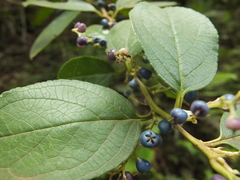 Gaultheria fragrantissimae1
- Organ / stage
- leavese1
- Outcome
- methyl salicylatee1
- Value
- 95%e1
Organisms pictured · Representative pictures of the matched species, not figures from the paper.
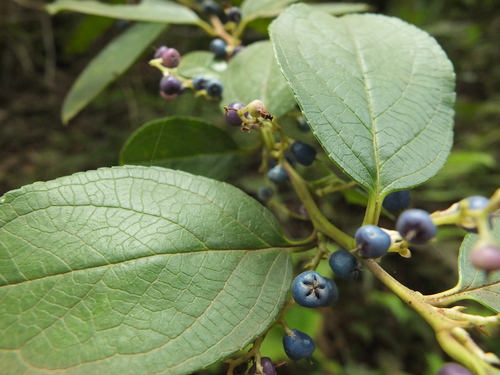
Verbatim
e1“leaves of G. fragrantissima contained methyl salicylate (95%)”
Claim · model-written summary
Asarone was a compound of the G. fragrantissima leaf essential oil at 4.64%.
- Taxon
- G. fragrantissimaGaultheria fragrantissimae1
- Organ / stage
- leavese1
- Outcome
- asaronee2
- Value
- 4.64%e2
Organisms pictured · Representative pictures of the matched species, not figures from the paper.
Verbatim
e1“leaves of G. fragrantissima contained methyl salicylate (95%)”
e2“asarone (4.64%)”
Claim · model-written summary
The methanol extract of A. vulgaris leaves was rich in total flavonoids and phenolic content.
- Taxon
- A. vulgarisArtemisia vulgarise1
- Material
- methanol extracte1
- Organ / stage
- leavese1
- Outcome
- total flavonoids and phenolic contente1
Organisms pictured · Representative pictures of the matched species, not figures from the paper.
Verbatim
e1“methanol extract of leaves of A. vulgaris and G. fragrantissima were found rich in the total flavonoids and phenolic content”
Claim · model-written summary
The methanol extract of G. fragrantissima leaves was rich in total flavonoids and phenolic content.
- Taxon
- G. fragrantissimaGaultheria fragrantissimae1
- Material
- methanol extracte1
- Organ / stage
- leavese1
- Outcome
- total flavonoids and phenolic contente1
Organisms pictured · Representative pictures of the matched species, not figures from the paper.
Verbatim
e1“methanol extract of leaves of A. vulgaris and G. fragrantissima were found rich in the total flavonoids and phenolic content”
Claim · model-written summary
Morin and luteolin were identified by HPLC in the methanol extract of A. vulgaris leaves.
- Taxon
- A. vulgarisArtemisia vulgarise1
- Organ / stage
- leavese1
- Outcome
- presence of morin and luteoline1
Organisms pictured · Representative pictures of the matched species, not figures from the paper.
Verbatim
e1“HPLC analysis of the methanol extract of leaves A. vulgaris revealed the presence of morin and luteolin”
Claim · model-written summary
Rutin was the major flavonoid compound in G. fragrantissima leaves.
- Taxon
- G. fragrantissimaGaultheria fragrantissimae1
- Organ / stage
- leavese1
- Outcome
- rutine1
- Qualifier
- major flavonoids compounde1
Organisms pictured · Representative pictures of the matched species, not figures from the paper.
Verbatim
e1“rutin was found as a major flavonoids compound in the leaves of G. fragrantissima”
Claim · model-written summary
The methanol extract of A. vulgaris showed the highest antioxidant and antibacterial properties compared with the essential oil.
- Taxon
- A. vulgarisArtemisia vulgarise1
- Material
- methanol extracte1
- Outcome
- antioxidant and antibacterial propertiese1
- Direction
- higheste1
- Comparator
- essential oile1
Organisms pictured · Representative pictures of the matched species, not figures from the paper.
Verbatim
e1“methanol extract of the A. vulgaris and G. fragrantissima showed the highest antioxidant and antibacterial properties compared to the essential oil”
Claim · model-written summary
The methanol extract of G. fragrantissima showed the highest antioxidant and antibacterial properties compared with the essential oil.
- Taxon
- G. fragrantissimaGaultheria fragrantissimae1
- Material
- methanol extracte1
- Outcome
- antioxidant and antibacterial propertiese1
- Direction
- higheste1
- Comparator
- essential oile1
Organisms pictured · Representative pictures of the matched species, not figures from the paper.
Verbatim
e1“methanol extract of the A. vulgaris and G. fragrantissima showed the highest antioxidant and antibacterial properties compared to the essential oil”
Claim · model-written summary
A. vulgaris oil is a rich source of monoterpene and sesquiterpene compounds.
- Taxon
- A. vulgarisArtemisia vulgarise1
- Outcome
- monoterpene and sesquiterpene compoundse1
Organisms pictured · Representative pictures of the matched species, not figures from the paper.
Verbatim
e1“A. vulgaris oil is the rich source of monoterpene and sesquiterpene compounds”