Abstract
Anti-sporulant activity of fungicides (carbendazim, difenoconazole, hexaconazole, propiconazole, tebuconazole, pyraclostrobin, trifloxystrobin + tebuconazole and dinocap), bio-control agents (Ampelomyces quisqualis, Pseudomonas fluorescence, Trichoderma viride, Saccharomyces cerevisiae, Bacillus subtilis and Verticillium lecanii), bio-products (vermiwash, chicken manure, FYM, milk, anhydrous milk fat, neem oil, BF-1 [Turmeric (25g)+Chilli (5g)+Onion (25g)], BF-2 [Garlic paste (25g)+Turmeric (5g)] and BF-3 [Reetha (5%) + Cow urine + Neem oil (5%)]) and botanicals (drake (Melia azedarach L.), robinia (Robinia pseudoacacia L.), bougainvillea (Bougainvillea glabra C.), pine needles (Pinus roxburghii S.), garlic (Allium sativus L.), euphorbia (Euphorbia resinifera A.), reetha (Sapindus mukorossi L.) and soybean Seed (Glycine max L.)) were studied after the appearance of disease. The maximum reduction in conidia production was recorded in difenoconazole giving by 29.98 per cent reduction followed by the hexaconazole (25.56%), tebuconazole (25.14%) and trifloxystrobin + tebuconazole (24.76%) while the least effect was observed with carbendazim (16.55%). Among the bio-control agents the maximum reduction in conidia was found in Ampelomyces quisqualis (26.50%) followed by the Bacillus subtilis (24.44%) and Verticillium lecanii (20.54%) within 8 days of disease observation. However, least reduction in conidia were recorded in Pseudomonas fluorescence (9.20%) and yeast (11.10%). From bio-products neem oil, bio-formulation-3, milk and anhydrous milk fat were reported to be superior and while the bio-formulation-1 (8.24%) and vermiwash (9.69%) were less effective in lowering the conidial count. However, among the botanicals best results with regard to conidia reduction was obtained with Allium sativus (21.01%) followed by the Sapindus mukorossi (18.95%) and Melia azedarach (18.01%) both statistically at par in their effectiveness. While least conidial reduction (6.42%) was recorded in Glycine max.
Abstract from the paper’s OpenAlex record, shown for indexing and research. Copyright remains with the authors or the publisher. Read at the source ↗
The text the model read, with the source record’s inline markup (italics, sub- and superscripts) rendered and its character entities decoded; quote offsets refer to the raw text.
Claims 20
Claim · model-written summary
Difenoconazole reduced conidia production by 29.98 per cent.
- Taxon
- roset0
- Treatment
- difenoconazolee0
- Interactor
- Podosphaera pannosa
 Podosphaera pannosat0pathogen
- Outcome
- conidia productione0
- Direction
- reductione0
- Value
- 29.98 per cente0
Not reportedComparator
Organisms pictured · Representative pictures of the matched species, not figures from the paper.

Verbatim
t0“Podosphaera pannosa on rose”
e0“The maximum reduction in conidia production was recorded in difenoconazole giving by 29.98 per cent reduction”
Claim · model-written summary
Hexaconazole reduced conidia production by 25.56%.
- Taxon
- roset0
- Treatment
- hexaconazolee0
- Interactor
- Podosphaera pannosaPodosphaera pannosat0pathogen
- Outcome
- conidia productione1
- Direction
- reductione1
- Value
- 25.56%e0
Not reportedComparator
Organisms pictured · Representative pictures of the matched species, not figures from the paper.
Verbatim
t0“Podosphaera pannosa on rose”
e0“hexaconazole (25.56%)”
e1“reduction in conidia production”
Claim · model-written summary
Tebuconazole reduced conidia production by 25.14%.
- Taxon
- roset0
- Treatment
- tebuconazolee0
- Interactor
- Podosphaera pannosaPodosphaera pannosat0pathogen
- Outcome
- conidia productione1
- Direction
- reductione1
- Value
- 25.14%e0
Not reportedComparator
Organisms pictured · Representative pictures of the matched species, not figures from the paper.
Verbatim
t0“Podosphaera pannosa on rose”
e0“tebuconazole (25.14%)”
e1“reduction in conidia production”
Claim · model-written summary
Trifloxystrobin plus tebuconazole reduced conidia production by 24.76%.
- Taxon
- roset0
- Treatment
- trifloxystrobin + tebuconazolee0
- Interactor
- Podosphaera pannosaPodosphaera pannosat0pathogen
- Outcome
- conidia productione1
- Direction
- reductione1
- Value
- 24.76%e0
Not reportedComparator
Organisms pictured · Representative pictures of the matched species, not figures from the paper.
Verbatim
t0“Podosphaera pannosa on rose”
e0“trifloxystrobin + tebuconazole (24.76%)”
e1“reduction in conidia production”
Claim · model-written summary
Carbendazim had the least fungicide effect, a 16.55% reduction.
- Taxon
- roset0
- Treatment
- carbendazime0
- Interactor
- Podosphaera pannosaPodosphaera pannosat0pathogen
- Outcome
- conidia productione1
- Direction
- reductione1
- Value
- 16.55%e0
Not reportedComparator
Organisms pictured · Representative pictures of the matched species, not figures from the paper.
Verbatim
t0“Podosphaera pannosa on rose”
e0“the least effect was observed with carbendazim (16.55%)”
e1“reduction in conidia production”
Claim · model-written summary
Ampelomyces quisqualis reduced conidia by 26.50%.
- Taxon
- roset0
- Treatment
- Ampelomyces quisqualise0
- Interactor
- Podosphaera pannosaPodosphaera pannosat0pathogen
- Second interactor
- Ampelomyces quisqualis
 Ampelomyces quisqualise0biocontrol_agent
- Outcome
- conidiae0
- Direction
- reductione0
- Value
- 26.50%e0
Not reportedComparator
Organisms pictured · Representative pictures of the matched species, not figures from the paper.

Verbatim
t0“Podosphaera pannosa on rose”
e0“maximum reduction in conidia was found in Ampelomyces quisqualis (26.50%)”
Claim · model-written summary
Bacillus subtilis reduced conidia by 24.44%.
- Taxon
- roset0
- Treatment
- Bacillus subtilise0
- Interactor
- Podosphaera pannosaPodosphaera pannosat0pathogen
- Second interactor
- Bacillus subtilis
 Bacillus subtilise0biocontrol_agent
- Outcome
- conidiae1
- Direction
- reductione1
- Value
- 24.44%e0
Not reportedComparator
Organisms pictured · Representative pictures of the matched species, not figures from the paper.

Verbatim
t0“Podosphaera pannosa on rose”
e0“Bacillus subtilis (24.44%)”
e1“Among the bio-control agents the maximum reduction in conidia”
Claim · model-written summary
Verticillium lecanii reduced conidia by 20.54%.
- Taxon
- roset0
- Treatment
- Verticillium lecaniie0
- Interactor
- Podosphaera pannosaPodosphaera pannosat0pathogen
- Second interactor
- Verticillium lecanii
 Akanthomyces lecaniie0biocontrol_agent
- Outcome
- conidiae1
- Direction
- reductione1
- Value
- 20.54%e0
Not reportedComparator
Organisms pictured · Representative pictures of the matched species, not figures from the paper.
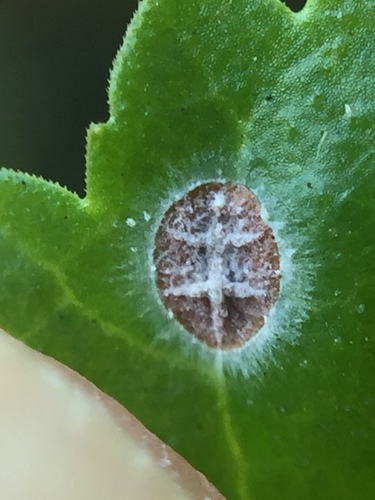
Verbatim
t0“Podosphaera pannosa on rose”
e0“Verticillium lecanii (20.54%)”
e1“Among the bio-control agents the maximum reduction in conidia”
Claim · model-written summary
Pseudomonas fluorescence reduced conidia by 9.20%.
- Taxon
- roset0
- Treatment
- Pseudomonas fluorescencee0
- Interactor
- Podosphaera pannosaPodosphaera pannosat0pathogen
- Second interactor
- Pseudomonas fluorescencee0biocontrol_agent
- Outcome
- conidiae1
- Direction
- reductione1
- Value
- 9.20%e0
Not reportedComparator
Organisms pictured · Representative pictures of the matched species, not figures from the paper.
Verbatim
t0“Podosphaera pannosa on rose”
e0“Pseudomonas fluorescence (9.20%)”
e1“least reduction in conidia”
Claim · model-written summary
Yeast reduced conidia by 11.10%.
- Taxon
- roset0
- Treatment
- yeaste0
- Interactor
- Podosphaera pannosaPodosphaera pannosat0pathogen
- Second interactor
- yeaste0biocontrol_agent
- Outcome
- conidiae1
- Direction
- reductione1
- Value
- 11.10%e0
Not reportedComparator
Organisms pictured · Representative pictures of the matched species, not figures from the paper.
Verbatim
t0“Podosphaera pannosa on rose”
e0“yeast (11.10%)”
e1“least reduction in conidia”
Claim · model-written summary
Neem oil was among superior bio-products for lowering conidial count.
- Taxon
- roset0
- Treatment
- neem oile0
- Interactor
- Podosphaera pannosaPodosphaera pannosat0pathogen
- Outcome
- superiore0
- Direction
- superiore0
Not reportedComparator
Organisms pictured · Representative pictures of the matched species, not figures from the paper.
Verbatim
t0“Podosphaera pannosa on rose”
e0“From bio-products neem oil, bio-formulation-3, milk and anhydrous milk fat were reported to be superior”
Claim · model-written summary
Bio-formulation-3 was among superior bio-products.
- Taxon
- roset0
- Treatment
- bio-formulation-3e0
- Interactor
- Podosphaera pannosaPodosphaera pannosat0pathogen
- Outcome
- superiore0
- Direction
- superiore0
Not reportedComparator
Organisms pictured · Representative pictures of the matched species, not figures from the paper.
Verbatim
t0“Podosphaera pannosa on rose”
e0“bio-formulation-3, milk and anhydrous milk fat were reported to be superior”
Claim · model-written summary
Milk was among superior bio-products.
- Taxon
- roset0
- Treatment
- milke0
- Interactor
- Podosphaera pannosaPodosphaera pannosat0pathogen
- Outcome
- superiore0
- Direction
- superiore0
Not reportedComparator
Organisms pictured · Representative pictures of the matched species, not figures from the paper.
Verbatim
t0“Podosphaera pannosa on rose”
e0“milk and anhydrous milk fat were reported to be superior”
Claim · model-written summary
Anhydrous milk fat was among superior bio-products.
- Taxon
- roset0
- Treatment
- anhydrous milk fate0
- Interactor
- Podosphaera pannosaPodosphaera pannosat0pathogen
- Outcome
- superiore0
- Direction
- superiore0
Not reportedComparator
Organisms pictured · Representative pictures of the matched species, not figures from the paper.
Verbatim
t0“Podosphaera pannosa on rose”
e0“anhydrous milk fat were reported to be superior”
Claim · model-written summary
Bio-formulation-1 reduced conidial count by 8.24%.
- Taxon
- roset0
- Treatment
- bio-formulation-1e0
- Interactor
- Podosphaera pannosaPodosphaera pannosat0pathogen
- Outcome
- conidial counte0
- Direction
- loweringe0
- Value
- 8.24%e0
Not reportedComparator
Organisms pictured · Representative pictures of the matched species, not figures from the paper.
Verbatim
t0“Podosphaera pannosa on rose”
e0“bio-formulation-1 (8.24%) and vermiwash (9.69%) were less effective in lowering the conidial count”
Claim · model-written summary
Vermiwash reduced conidial count by 9.69%.
- Taxon
- roset0
- Treatment
- vermiwashe0
- Interactor
- Podosphaera pannosaPodosphaera pannosat0pathogen
- Outcome
- conidial counte0
- Direction
- loweringe0
- Value
- 9.69%e0
Not reportedComparator
Organisms pictured · Representative pictures of the matched species, not figures from the paper.
Verbatim
t0“Podosphaera pannosa on rose”
e0“vermiwash (9.69%) were less effective in lowering the conidial count”
Claim · model-written summary
Allium sativus reduced conidia by 21.01%.
- Taxon
- roset0
- Treatment
- Allium sativuse0
- Interactor
- Podosphaera pannosaPodosphaera pannosat0pathogen
- Outcome
- conidiae0
- Direction
- reductione0
- Value
- 21.01%e0
Not reportedComparator
Organisms pictured · Representative pictures of the matched species, not figures from the paper.
Verbatim
t0“Podosphaera pannosa on rose”
e0“conidia reduction was obtained with Allium sativus (21.01%)”
Claim · model-written summary
Sapindus mukorossi reduced conidia by 18.95%.
- Taxon
- roset0
- Treatment
- Sapindus mukorossie0
- Interactor
- Podosphaera pannosaPodosphaera pannosat0pathogen
- Outcome
- conidiae1
- Direction
- reductione1
- Value
- 18.95%e0
Not reportedComparator
Organisms pictured · Representative pictures of the matched species, not figures from the paper.
Verbatim
t0“Podosphaera pannosa on rose”
e0“Sapindus mukorossi (18.95%)”
e1“conidia reduction”
Claim · model-written summary
Melia azedarach reduced conidia by 18.01%, statistically at par with Sapindus.
- Taxon
- roset0
- Treatment
- Melia azedarache0
- Interactor
- Podosphaera pannosaPodosphaera pannosat0pathogen
- Outcome
- conidiae1
- Direction
- reductione1
- Value
- 18.01%e0
- Qualifier
- statistically at pare0
Not reportedComparator
Organisms pictured · Representative pictures of the matched species, not figures from the paper.
Verbatim
t0“Podosphaera pannosa on rose”
e0“Melia azedarach (18.01%) both statistically at par in their effectiveness”
e1“conidia reduction”
Claim · model-written summary
Glycine max gave the least conidial reduction, 6.42%.
- Taxon
- roset0
- Treatment
- Glycine maxe0
- Interactor
- Podosphaera pannosaPodosphaera pannosat0pathogen
- Outcome
- conidial reductione0
- Direction
- reductione0
- Value
- 6.42%e0
Not reportedComparator
Organisms pictured · Representative pictures of the matched species, not figures from the paper.
Verbatim
t0“Podosphaera pannosa on rose”
e0“least conidial reduction (6.42%) was recorded in Glycine max”
The same questions in other papers
difenoconazole · Podosphaera pannosa · RosaResults agree
1 paper in the same direction as this paper
- positive
hexaconazole · Podosphaera pannosa · RosaResults agree
1 paper in the same direction as this paper
- positive
tebuconazole · Podosphaera pannosa · RosaResults agree
1 paper in the same direction as this paper
- positive
botanical · Podosphaera pannosa · RosaResults agree
5 papers in the same direction as this paper
- positive
- positive
- positive
2 papers more in this group
See all 6 papers →Claims are grouped by organism, treatment and what was measured or targeted. A paper counts as positive when any of its claims in the group is positive.