Abstract
A field experiment was conducted during two successive seasons of 2012/2013 and 2013/2014 at Phytochemistry Department and Farm of Applied Research Center of Medicinal Plants (ARCMP) affiliated to the National Organization for Drug Control And Research (NODCAR). Present work aimed to study the effect of inoculation Pimpinella anisum L. seeds with arbuscular mycorrhizal fungi (my) and/or microbein (mi) and/or foliar spray plants with thidiazuran (TDZ) combine with chemical fertilizer at half or full dose of NPK on the volume of the volatile oil of anise seeds, physiochemical investigation (Specific gravity of each essential oil and Refractive index of each essential oil), Compositional analysis by GLC of each essential oil percentage (linalol, estragole, alpha-terpenol, cis-anethole, trans- anethol and anisaldhyde) , total phenolic content and total flavonoid content of dry seeds. The results showed that inoculation anise (Pimpinella anisum L.) seeds with mixture of mycorrhizal and microbein at full dose of NPK gave the highest yield of the volatile oil of anise seeds , total phenolic content and total flavonoid content of dry seeds. While treated plants with biofertilizer (mycorrhizal and/or microbein) /or sprayed plants with TDZ combine biofertilizer at half or full dose of NPK didn't have any significant effect on physiochemical investigation and compositional analysis of volatile oil by GLC as compared to the control.
Abstract from the paper’s OpenAlex record; open copy licensed cc-by. Read at the source ↗
The text the model read, with the source record’s inline markup (italics, sub- and superscripts) rendered and its character entities decoded; quote offsets refer to the raw text.
Claims 2
Claim · model-written summary
Inoculating anise seeds with a mixture of mycorrhizal fungi and microbein at the full NPK dose gave the highest volatile oil yield, total phenolic content and total flavonoid content of the seeds.
- Taxon
- Pimpinella anisum L.
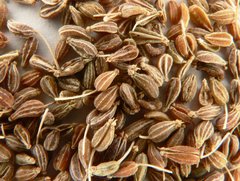 Pimpinella anisume0
- Treatment
- inoculation anise (Pimpinella anisum L.) seeds with mixture of mycorrhizal and microbein at full dose of NPKe0
- Interactor
- mycorrhizale0symbiont
- Second interactor
- microbeine0symbiont
- Outcome
- yield of the volatile oil of anise seeds , total phenolic content and total flavonoid contente0
- Direction
- higheste0
Not reportedComparator
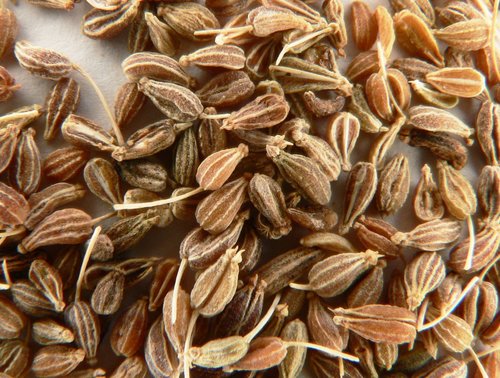
Organisms pictured · Representative pictures of the matched species, not figures from the paper.
Verbatim
e0“inoculation anise (Pimpinella anisum L.) seeds with mixture of mycorrhizal and microbein at full dose of NPK gave the highest yield of the volatile oil of anise seeds , total phenolic content and total flavonoid content of dry seeds”
Claim · model-written summary
Biofertilizer (mycorrhizal and/or microbein) alone or with thidiazuron spraying, at half or full NPK dose, had no significant effect on the physiochemical properties or the GLC compositional analysis of the volatile oil compared with the control.
- Taxon
- plantsViridiplantaee0
- Treatment
- biofertilizer (mycorrhizal and/or microbein) /or sprayed plants with TDZ combine biofertilizer at half or full dose of NPKe0
- Interactor
- mycorrhizale0symbiont
- Second interactor
- microbeine0symbiont
- Outcome
- physiochemical investigation and compositional analysis of volatile oil by GLCe0
- Direction
- didn't have any significant effecte0
- Comparator
- the controle0
Verbatim
e0“While treated plants with biofertilizer (mycorrhizal and/or microbein) /or sprayed plants with TDZ combine biofertilizer at half or full dose of NPK didn't have any significant effect on physiochemical investigation and compositional analysis of volatile oil by GLC as compared to the control”
The same questions in other papers
application · molecular: metabolites · Viridiplantae (plants)Positive and negative results
3 in the opposite direction
- positive
- positive
- positive
mycorrhiza · molecular: metabolites · Viridiplantae (plants)Positive and negative results
5 in the opposite direction
- positive
- positive
- positive
2 papers more in this group
See all 6 papers →inoculation · molecular: metabolites · Viridiplantae (plants)Positive and negative results
1 paper in the same direction as this paper · 10 in the opposite direction
- positive
- positive
- positive
8 papers more in this group
See all 12 papers →fertilization · molecular: metabolites · Viridiplantae (plants)Positive and negative results
4 papers in the same direction as this paper · 8 in the opposite direction
- positive
- positive
- positive
9 papers more in this group
See all 13 papers →fertilization · quality: phytochemicals · Pimpinella anisumResults agree
1 paper in the same direction as this paper
- positive
Claims are grouped by organism, treatment and what was measured or targeted. A paper counts as positive when any of its claims in the group is positive.