Abstract
Allelopathic features of 13 aromatic plants of Lamiaceae Lindl. family are studied. Dracocephalum moldavica L., Lavandula vera D.C. and Lophanthus anisatus Adans. are showed the highest phytotoxic effect of aqueous extracts of lifetime emissions of aromatic plants relative to Triticum aestivum Linn., which reduced germination rates, respectively, by 15.6; 4.9 and 1.7 times. Extracts of plant material of Nepeta transcaucasica Grossh showed the stimulating effect, while germination of wheat was around 96.3 % versus 86.0 % on control. Hyssopus officinalis L. and Dracocephalum moldavica resulted in inhibition of growth processes in Zea mays L. by 1.8–2.6 times. Stimulating effect on Zea mays seed (2 to 6%) was found in Salvia sclarea L., S. officinalis L. and Elsholzia cristata Willd. Hyssopus officinalis, Monarda didyma L. and Dracocephalum moldavica are showed the highest phytotoxic effect of aqueous extracts of remains of aromatic plants relative to Triticum aestivum, which reduced germination rates, respectively, by 2.6; 2.0 and 1.8 times. Lophanthus anisatus, Dracocephalum moldavica and Lavandula vera resulted in inhibition of growth processes in Zea mays by 1.7; 1.5 and 1.4 times.
Abstract from the paper’s OpenAlex record; open copy licensed other-oa. Read at the source ↗
The text the model read, with the source record’s inline markup (italics, sub- and superscripts) rendered and its character entities decoded; quote offsets refer to the raw text.
Claims 15
Claim · model-written summary
Dracocephalum moldavica L. extract reduced wheat germination by 15.6 times.
- Taxon
- Triticum aestivum Linn.
 Triticum aestivume0
- Treatment
- Dracocephalum moldavica L.e0
- Interactor
- Dracocephalum moldavica L.
 Dracocephalum moldavicae0other
- Outcome
- germination ratese0
- Direction
- reducede0
- Value
- 15.6e0
Not reportedComparator
Organisms pictured · Representative pictures of the matched species, not figures from the paper.


Verbatim
e0“Dracocephalum moldavica L., Lavandula vera D.C. and Lophanthus anisatus Adans. are showed the highest phytotoxic effect of aqueous extracts of lifetime emissions of aromatic plants relative to Triticum aestivum Linn., which reduced germination rates, respectively, by 15.6; 4.9 and 1.7 times”
Claim · model-written summary
Lavandula vera D.C. extract reduced wheat germination by 4.9 times.
- Taxon
- Triticum aestivum Linn.Triticum aestivume0
- Treatment
- Lavandula vera D.C.e0
- Interactor
- Lavandula vera D.C.e0other
- Outcome
- germination ratese0
- Direction
- reducede0
- Value
- 4.9e0
Not reportedComparator
Organisms pictured · Representative pictures of the matched species, not figures from the paper.
Verbatim
e0“Dracocephalum moldavica L., Lavandula vera D.C. and Lophanthus anisatus Adans. are showed the highest phytotoxic effect of aqueous extracts of lifetime emissions of aromatic plants relative to Triticum aestivum Linn., which reduced germination rates, respectively, by 15.6; 4.9 and 1.7 times”
Claim · model-written summary
Lophanthus anisatus Adans. extract reduced wheat germination by 1.7 times.
- Taxon
- Triticum aestivum Linn.Triticum aestivume0
- Treatment
- Lophanthus anisatus Adans.e0
- Interactor
- Lophanthus anisatus Adans.e0other
- Outcome
- germination ratese0
- Direction
- reducede0
- Value
- 1.7e0
Not reportedComparator
Organisms pictured · Representative pictures of the matched species, not figures from the paper.
Verbatim
e0“Dracocephalum moldavica L., Lavandula vera D.C. and Lophanthus anisatus Adans. are showed the highest phytotoxic effect of aqueous extracts of lifetime emissions of aromatic plants relative to Triticum aestivum Linn., which reduced germination rates, respectively, by 15.6; 4.9 and 1.7 times”
Claim · model-written summary
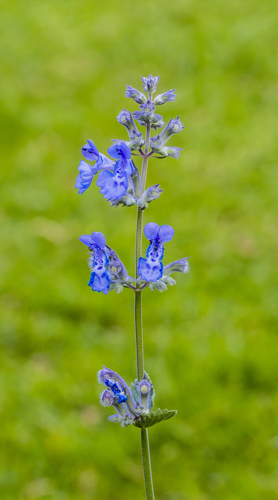
Nepeta extract stimulated wheat germination to 96.3% versus 86.0% in controls.
- Taxon
- wheatTriticum aestivume0
- Treatment
- Nepeta transcaucasica Grosshe0
- Interactor
- Nepeta transcaucasica Grossh
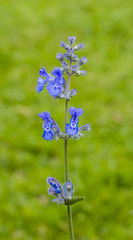 Nepeta transcaucasicae0other
- Outcome
- germination of wheate0
- Direction
- stimulating effecte0
- Value
- 96.3 %e0
- Qualifier
- 86.0 %e0
- Comparator
- controle0
Organisms pictured · Representative pictures of the matched species, not figures from the paper.
Verbatim
e0“Extracts of plant material of Nepeta transcaucasica Grossh showed the stimulating effect, while germination of wheat was around 96.3 % versus 86.0 % on control”
Claim · model-written summary
Hyssopus inhibited maize growth within the reported 1.8–2.6-fold range.
- Treatment
- Hyssopus officinalis L.e0
- Interactor
- Hyssopus officinalis L.
 Dracocephalum officinalee0other
- Outcome
- growth processese0
- Direction
- inhibitione0
- Value
- 1.8–2.6 timese0
 Zea mays
Not reportedComparator
Organisms pictured · Representative pictures of the matched species, not figures from the paper.


Verbatim
e0“Hyssopus officinalis L. and Dracocephalum moldavica resulted in inhibition of growth processes in Zea mays L. by 1.8–2.6 times”
Claim · model-written summary
Dracocephalum inhibited maize growth within the reported 1.8–2.6-fold range.
- Treatment
- Dracocephalum moldavicae0
- Interactor
- Dracocephalum moldavicaDracocephalum moldavicae0other
- Outcome
- growth processese0
- Direction
- inhibitione0
- Value
- 1.8–2.6 timese0
Not reportedComparator
Organisms pictured · Representative pictures of the matched species, not figures from the paper.
Verbatim
e0“Hyssopus officinalis L. and Dracocephalum moldavica resulted in inhibition of growth processes in Zea mays L. by 1.8–2.6 times”
Claim · model-written summary
Salvia sclarea L. stimulated maize seed response in the reported 2 to 6% range.
- Treatment
- Salvia sclarea L.e0
- Interactor
- Salvia sclarea L.
 Salvia sclareae0other
- Outcome
- seede0
- Direction
- Stimulatinge0
- Value
- 2 to 6%e0
Not reportedComparator
Organisms pictured · Representative pictures of the matched species, not figures from the paper.

Verbatim
e0“Stimulating effect on Zea mays seed (2 to 6%) was found in Salvia sclarea L., S. officinalis L. and Elsholzia cristata Willd.”
Claim · model-written summary
S. officinalis L. stimulated maize seed response in the reported 2 to 6% range.
- Treatment
- S. officinalis L.e0
- Interactor
- S. officinalis L.
 Salvia officinalise0other
- Outcome
- seede0
- Direction
- Stimulatinge0
- Value
- 2 to 6%e0
Not reportedComparator
Organisms pictured · Representative pictures of the matched species, not figures from the paper.

Verbatim
e0“Stimulating effect on Zea mays seed (2 to 6%) was found in Salvia sclarea L., S. officinalis L. and Elsholzia cristata Willd.”
Claim · model-written summary
Elsholzia cristata Willd. stimulated maize seed response in the reported 2 to 6% range.
- Treatment
- Elsholzia cristata Willd.e0
- Interactor
- Elsholzia cristata Willd.e0other
- Outcome
- seede0
- Direction
- Stimulatinge0
- Value
- 2 to 6%e0
Not reportedComparator
Organisms pictured · Representative pictures of the matched species, not figures from the paper.
Verbatim
e0“Stimulating effect on Zea mays seed (2 to 6%) was found in Salvia sclarea L., S. officinalis L. and Elsholzia cristata Willd.”
Claim · model-written summary
Hyssopus officinalis remains extract reduced wheat germination by 2.6 times.
- Taxon
- Triticum aestivumTriticum aestivume0
- Treatment
- Hyssopus officinalise0
- Interactor
- Hyssopus officinalisDracocephalum officinalee0other
- Outcome
- germination ratese0
- Direction
- reducede0
- Value
- 2.6e0
Not reportedComparator
Organisms pictured · Representative pictures of the matched species, not figures from the paper.
Verbatim
e0“Hyssopus officinalis, Monarda didyma L. and Dracocephalum moldavica are showed the highest phytotoxic effect of aqueous extracts of remains of aromatic plants relative to Triticum aestivum, which reduced germination rates, respectively, by 2.6; 2.0 and 1.8 times”
Claim · model-written summary
Monarda didyma L. remains extract reduced wheat germination by 2.0 times.
- Taxon
- Triticum aestivumTriticum aestivume0
- Treatment
- Monarda didyma L.e0
- Interactor
- Monarda didyma L.
 Monarda didymae0other
- Outcome
- germination ratese0
- Direction
- reducede0
- Value
- 2.0e0
Not reportedComparator
Organisms pictured · Representative pictures of the matched species, not figures from the paper.

Verbatim
e0“Hyssopus officinalis, Monarda didyma L. and Dracocephalum moldavica are showed the highest phytotoxic effect of aqueous extracts of remains of aromatic plants relative to Triticum aestivum, which reduced germination rates, respectively, by 2.6; 2.0 and 1.8 times”
Claim · model-written summary
Dracocephalum moldavica remains extract reduced wheat germination by 1.8 times.
- Taxon
- Triticum aestivumTriticum aestivume0
- Treatment
- Dracocephalum moldavicae0
- Interactor
- Dracocephalum moldavicaDracocephalum moldavicae0other
- Outcome
- germination ratese0
- Direction
- reducede0
- Value
- 1.8e0
Not reportedComparator
Organisms pictured · Representative pictures of the matched species, not figures from the paper.
Verbatim
e0“Hyssopus officinalis, Monarda didyma L. and Dracocephalum moldavica are showed the highest phytotoxic effect of aqueous extracts of remains of aromatic plants relative to Triticum aestivum, which reduced germination rates, respectively, by 2.6; 2.0 and 1.8 times”
Claim · model-written summary
Lophanthus anisatus inhibited maize growth by 1.7 times.
- Treatment
- Lophanthus anisatuse0
- Interactor
- Lophanthus anisatuse0other
- Outcome
- growth processese0
- Direction
- inhibitione0
- Value
- 1.7e0
Not reportedComparator
Organisms pictured · Representative pictures of the matched species, not figures from the paper.
Verbatim
e0“Lophanthus anisatus, Dracocephalum moldavica and Lavandula vera resulted in inhibition of growth processes in Zea mays by 1.7; 1.5 and 1.4 times”
Claim · model-written summary
Dracocephalum moldavica inhibited maize growth by 1.5 times.
- Treatment
- Dracocephalum moldavicae0
- Interactor
- Dracocephalum moldavicaDracocephalum moldavicae0other
- Outcome
- growth processese0
- Direction
- inhibitione0
- Value
- 1.5e0
Not reportedComparator
Organisms pictured · Representative pictures of the matched species, not figures from the paper.
Verbatim
e0“Lophanthus anisatus, Dracocephalum moldavica and Lavandula vera resulted in inhibition of growth processes in Zea mays by 1.7; 1.5 and 1.4 times”
Claim · model-written summary
Lavandula vera inhibited maize growth by 1.4 times.
- Treatment
- Lavandula verae0
- Interactor
- Lavandula verae0other
- Outcome
- growth processese0
- Direction
- inhibitione0
- Value
- 1.4e0
Not reportedComparator
Organisms pictured · Representative pictures of the matched species, not figures from the paper.
Verbatim
e0“Lophanthus anisatus, Dracocephalum moldavica and Lavandula vera resulted in inhibition of growth processes in Zea mays by 1.7; 1.5 and 1.4 times”
The same questions in other papers
Dracocephalum officinale · growth · Triticum aestivum (wheat)Positive and negative results
1 paper in the same direction as this paper · 1 in the opposite direction
- positive
- negative
Claims are grouped by organism, treatment and what was measured or targeted. A paper counts as positive when any of its claims in the group is positive.