Abstract
A total of thirteen fungicides were evaluated in vitro against Fusarium oxysporum f.sp. zingiberi, applying Poisoned Food Technique and using Potato Dextrose Agar as basal medium. Effect of these fungicides on radial mycelial growth and inhibition of test pathogen were recorded. All the treatments were replicated three times and a suitable untreated control (without fungicides) was also maintained. Among the different fungicides tested the maximum of 100 per cent inhibition was found in Carbendazim, Carbendazim + Mancozeb and Benomyl and the least inhibition was recorded with the (Metalaxyl + Copper oxychloride) with 21.55 per cent. The pot with Rhizome dip treatment 30 min and soil drenching after one month of sowing were treated with Carbendazim (0.1%) + Mancozeb (0.2%) showed most effective in managing the disease with per cent disease incidence of 8.33 per cent and the next best treatment was Carbendazim (0.1%) alone with PDI of 13.88 per cent, followed by Benomyl (36.11%), the least PDI was recorded with control (77.77%).
Abstract from the paper’s OpenAlex record, shown for indexing and research. Copyright remains with the authors or the publisher. Read at the source ↗
The text the model read, with the source record’s inline markup (italics, sub- and superscripts) rendered and its character entities decoded; quote offsets refer to the raw text.
Claims 8
Claim · model-written summary
Carbendazim completely inhibited Fusarium growth in vitro.
- Taxon
- ginger
 Zingiber officinalet0
- Treatment
- Carbendazime0
- Outcome
- inhibitione0
- Direction
- maximume0
- Value
- 100 per cente0
Not reportedComparator
Organisms pictured · Representative pictures of the matched species, not figures from the paper.
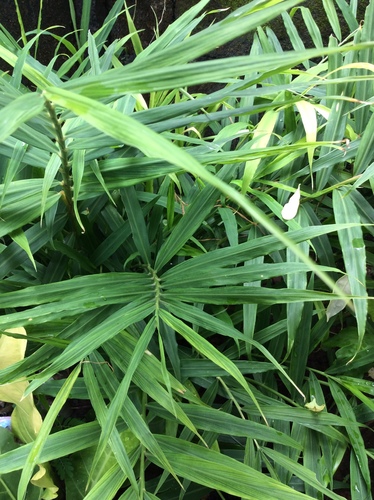
Verbatim
e0“the maximum of 100 per cent inhibition was found in Carbendazim, Carbendazim + Mancozeb and Benomyl”
t0“ginger”
Claim · model-written summary
Carbendazim plus Mancozeb completely inhibited Fusarium growth in vitro.
- Taxon
- gingerZingiber officinalet0
- Treatment
- Carbendazim + Mancozebe0
- Outcome
- inhibitione0
- Direction
- maximume0
- Value
- 100 per cente0
Organisms pictured · Representative pictures of the matched species, not figures from the paper.
Verbatim
e0“the maximum of 100 per cent inhibition was found in Carbendazim, Carbendazim + Mancozeb and Benomyl”
t0“ginger”
Claim · model-written summary
Benomyl completely inhibited Fusarium growth in vitro.
- Taxon
- gingerZingiber officinalet0
- Treatment
- Benomyle0
- Outcome
- inhibitione0
- Direction
- maximume0
- Value
- 100 per cente0
Organisms pictured · Representative pictures of the matched species, not figures from the paper.
Verbatim
e0“the maximum of 100 per cent inhibition was found in Carbendazim, Carbendazim + Mancozeb and Benomyl”
t0“ginger”
Claim · model-written summary
Metalaxyl plus copper oxychloride gave the least inhibition, at 21.55 per cent.
- Taxon
- gingerZingiber officinalet0
- Treatment
- Metalaxyl + Copper oxychloridee0
- Outcome
- inhibitione0
- Direction
- leaste0
- Value
- 21.55 per cente0
Organisms pictured · Representative pictures of the matched species, not figures from the paper.
Verbatim
e0“the least inhibition was recorded with the (Metalaxyl + Copper oxychloride) with 21.55 per cent”
t0“ginger”
Claim · model-written summary
Carbendazim plus Mancozeb was most effective in pots, with disease incidence of 8.33 per cent.
- Taxon
- gingerZingiber officinalet0
- Treatment
- Carbendazim (0.1%) + Mancozeb (0.2%)e0
- Outcome
- per cent disease incidencee0
- Direction
- most effectivee0
- Value
- 8.33 per cente0
- Qualifier
- Rhizome dip treatment 30 min and soil drenching after one month of sowinge0
Organisms pictured · Representative pictures of the matched species, not figures from the paper.
Verbatim
e0“The pot with Rhizome dip treatment 30 min and soil drenching after one month of sowing were treated with Carbendazim (0.1%) + Mancozeb (0.2%) showed most effective in managing the disease with per cent disease incidence of 8.33 per cent”
t0“ginger”
Claim · model-written summary
Carbendazim alone gave 13.88 per cent disease incidence in pots.
- Taxon
- gingerZingiber officinalet0
- Treatment
- Carbendazim (0.1%) alonee0
- Outcome
- PDIe0
- Direction
- next beste0
- Value
- 13.88 per cente0
Organisms pictured · Representative pictures of the matched species, not figures from the paper.
Verbatim
e0“the next best treatment was Carbendazim (0.1%) alone with PDI of 13.88 per cent”
t0“ginger”
Claim · model-written summary
Benomyl gave 36.11% disease incidence in pots.
- Taxon
- gingerZingiber officinalet0
- Treatment
- Benomyle0
- Outcome
- Benomyle0
- Direction
- followed bye0
- Value
- 36.11%e0
Organisms pictured · Representative pictures of the matched species, not figures from the paper.
Verbatim
e0“followed by Benomyl (36.11%)”
t0“ginger”
Claim · model-written summary
Control pots had 77.77% disease incidence.
Organisms pictured · Representative pictures of the matched species, not figures from the paper.
Verbatim
e0“the least PDI was recorded with control (77.77%)”
t0“ginger”
The same questions in other papers
carbendazim · disease · Zingiber officinale (ginger)Results agree
2 papers in the same direction as this paper
- positive
- positive
Claims are grouped by organism, treatment and what was measured or targeted. A paper counts as positive when any of its claims in the group is positive.