Abstract
Background: Abandoned mining sites are becoming increasingly common due to anthropogenic activities. Consequently, external-soil spray seeding technology has attracted increasing attention as a strategy to remediate them. However, significant challenges remain that greatly inhibit the efficacy of such technologies, such as insufficient nutrients available for plants. Methods: For this study, we designed an experiment, which involved the addition of mineral-solubilizing microorganisms and R. pseudoacacia seedlings to the external-soil spray seeding (ESSS) substrate, and measured the soil nutrients, enzyme activities, and root growth of R. pseudoacacia. Results: First, the combination of certain mineral-solubilizing microorganisms with ESSS advanced its efficiency by increasing the availability of soil nutrients and soil enzymatic activities in association with R. pseudoacacia. Furthermore, the improvement of root growth of R. pseudoacacia was intimately related to soil nutrients, particularly for soil total nitrogen (TN) and total sulfur (TS). In general, the effects of the J2 (combined Bacillus thuringiensis and Gongronella butleri) treatment for soil nutrients, enzyme activities, and plant growth were the strongest. Conclusion: In summary, the results of our experiment revealed that these mineral-solubilizing microorganisms conveyed a promotional effect on R. pseudoacacia seedlings by increasing the soil nutrient content. These results provide basic data and microbial resources for the development and applications of mineral-solubilizing microorganisms for abandoned mine remediation.
Abstract from the paper’s OpenAlex record; open copy licensed cc-by. Read at the source ↗
The text the model read, with the source record’s inline markup (italics, sub- and superscripts) rendered and its character entities decoded; quote offsets refer to the raw text.
Claims 4
Claim · model-written summary
Combining certain mineral-solubilizing microorganisms with ESSS increases soil nutrient availability and soil enzyme activities in association with R. pseudoacacia.
- Taxon
- R. pseudoacacia
 Robinia pseudoacaciae1
- Treatment
- combination of certain mineral-solubilizing microorganisms with ESSSe1
- Interactor
- mineral-solubilizing microorganismse1symbiont
- Outcome
- availability of soil nutrients and soil enzymatic activitiese1
- Direction
- increasinge1
Not reportedComparator
Organisms pictured · Representative pictures of the matched species, not figures from the paper.

Verbatim
t0“Robinia pseudoacacia”
e1“the combination of certain mineral-solubilizing microorganisms with ESSS advanced its efficiency by increasing the availability of soil nutrients and soil enzymatic activities in association with R. pseudoacacia”
Claim · model-written summary
Root growth of R. pseudoacacia is intimately related to soil nutrients, particularly total nitrogen and total sulfur.
- Taxon
- R. pseudoacaciaRobinia pseudoacaciae2
- Compound
- total nitrogen (TN) and total sulfur (TS)e2
- Outcome
- root growthe2
Not reportedDirection
Organisms pictured · Representative pictures of the matched species, not figures from the paper.
Verbatim
t0“Robinia pseudoacacia”
e2“the improvement of root growth of R. pseudoacacia was intimately related to soil nutrients, particularly for soil total nitrogen (TN) and total sulfur (TS)”
Claim · model-written summary
The J2 treatment (Bacillus thuringiensis with Gongronella butleri) gave the strongest effects on soil nutrients, enzyme activities and plant growth.
- Taxon
- Robinia pseudoacaciaRobinia pseudoacaciat0
- Treatment
- J2 (combined Bacillus thuringiensis and Gongronella butleri) treatmente3
- Interactor
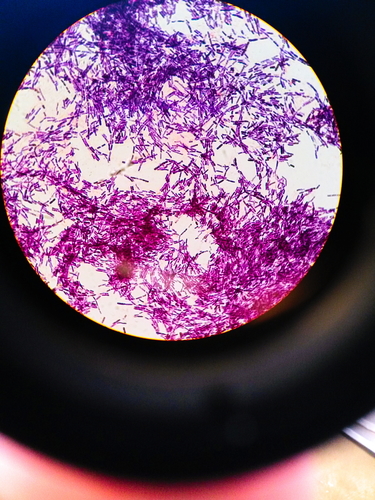
- Bacillus thuringiensis
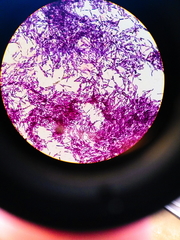 Bacillus thuringiensise3symbiont
- Second interactor
- Gongronella butleri
 Gongronella butlerie3symbiont
- Outcome
- soil nutrients, enzyme activities, and plant growthe3
- Direction
- strongeste3
Not reportedComparator
Organisms pictured · Representative pictures of the matched species, not figures from the paper.

Verbatim
t0“Robinia pseudoacacia”
e3“the effects of the J2 (combined Bacillus thuringiensis and Gongronella butleri) treatment for soil nutrients, enzyme activities, and plant growth were the strongest”
Claim · model-written summary
Mineral-solubilizing microorganisms promote R. pseudoacacia seedlings by increasing soil nutrient content.
- Taxon
- R. pseudoacaciaRobinia pseudoacaciae4
- Treatment
- mineral-solubilizing microorganismse4
- Interactor
- mineral-solubilizing microorganismse4symbiont
- Outcome
- soil nutrient contente4
- Direction
- increasinge4
Not reportedComparator
Organisms pictured · Representative pictures of the matched species, not figures from the paper.
Verbatim
t0“Robinia pseudoacacia”
e4“these mineral-solubilizing microorganisms conveyed a promotional effect on R. pseudoacacia seedlings by increasing the soil nutrient content”
The same questions in other papers
inoculation · nutrient: content · Robinia pseudoacacia (black locust)Results agree
5 papers in the same direction as this paper
- positive
- positive
- positive
2 papers more in this group
See all 6 papers →Claims are grouped by organism, treatment and what was measured or targeted. A paper counts as positive when any of its claims in the group is positive.