Abstract
Spot blotch caused by Bipolaris sorokiniana is a major disease of wheat in warm and humid regions of the world including Southeast Asian countries such as India, Nepal, and Bangladesh, and the disease is very significant, especially in North Eastern Plains Zone (NEPZ) of India.Among botanicals eucalyptus leaf extract was highly effective in inhibiting the growth of B. sorokiniana. Garlic clove extract was second best plant extract in inhibiting the growth of B. sorokiniana. All six plant extracts (garlic clove, eucalyptus leaf, neem leaf, onion bulb, ginger rhizome, and black cumin) could significantly reduce PDI when compared with untreated check. Two sprays of garlic clove and eucalyptus leaf extracts @ five percent were equally effective in reducing disease to 50 percent and increasing grain yield.
Abstract from the paper’s OpenAlex record; open copy licensed cc-by. Read at the source ↗
The text the model read, with the source record’s inline markup (italics, sub- and superscripts) rendered and its character entities decoded; quote offsets refer to the raw text.
Claims 12
Claim · model-written summary
Eucalyptus leaf extract was highly effective in inhibiting the growth of Bipolaris sorokiniana.
- Taxon
- wheat
 Triticum aestivumt0
- Treatment
- eucalyptus leaf extracte1
- Interactor
- B. sorokiniana
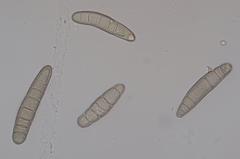 Bipolaris sorokinianae1pathogen
- Outcome
- growthe1
- Direction
- highly effectivee1
Not reportedComparator
Organisms pictured · Representative pictures of the matched species, not figures from the paper.

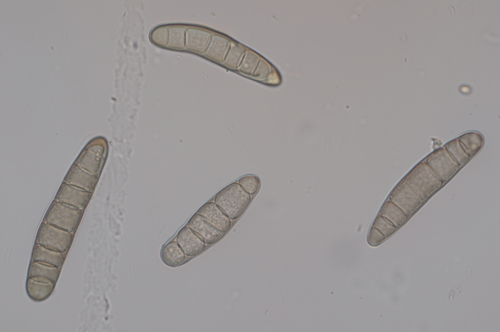
Verbatim
t0“Bipolaris sorokiniana disease causing spot blotch of wheat”
e1“Among botanicals eucalyptus leaf extract was highly effective in inhibiting the growth of B. sorokiniana”
Claim · model-written summary
Garlic clove extract was the second best plant extract in inhibiting the growth of Bipolaris sorokiniana.
- Taxon
- wheatTriticum aestivumt0
- Treatment
- Garlic clove extracte2
- Interactor
- B. sorokinianaBipolaris sorokinianae2pathogen
- Outcome
- growthe2
- Direction
- second beste2
Not reportedComparator
Organisms pictured · Representative pictures of the matched species, not figures from the paper.
Verbatim
t0“Bipolaris sorokiniana disease causing spot blotch of wheat”
e2“Garlic clove extract was second best plant extract in inhibiting the growth of B. sorokiniana”
Claim · model-written summary
Garlic clove extract significantly reduced PDI compared with the untreated check.
- Taxon
- wheatTriticum aestivumt0
- Treatment
- garlic clovee3
- Interactor
- Bipolaris sorokinianaBipolaris sorokinianat0pathogen
- Outcome
- PDIe3
- Direction
- significantly reducee3
- Comparator
- untreated checke3
Organisms pictured · Representative pictures of the matched species, not figures from the paper.
Verbatim
t0“Bipolaris sorokiniana disease causing spot blotch of wheat”
e3“All six plant extracts (garlic clove, eucalyptus leaf, neem leaf, onion bulb, ginger rhizome, and black cumin) could significantly reduce PDI when compared with untreated check”
Claim · model-written summary
Eucalyptus leaf extract significantly reduced PDI compared with the untreated check.
- Taxon
- wheatTriticum aestivumt0
- Treatment
- eucalyptus leafe3
- Interactor
- Bipolaris sorokinianaBipolaris sorokinianat0pathogen
- Outcome
- PDIe3
- Direction
- significantly reducee3
- Comparator
- untreated checke3
Organisms pictured · Representative pictures of the matched species, not figures from the paper.
Verbatim
t0“Bipolaris sorokiniana disease causing spot blotch of wheat”
e3“All six plant extracts (garlic clove, eucalyptus leaf, neem leaf, onion bulb, ginger rhizome, and black cumin) could significantly reduce PDI when compared with untreated check”
Claim · model-written summary
Neem leaf extract significantly reduced PDI compared with the untreated check.
- Taxon
- wheatTriticum aestivumt0
- Treatment
- neem leafe3
- Interactor
- Bipolaris sorokinianaBipolaris sorokinianat0pathogen
- Outcome
- PDIe3
- Direction
- significantly reducee3
- Comparator
- untreated checke3
Organisms pictured · Representative pictures of the matched species, not figures from the paper.
Verbatim
t0“Bipolaris sorokiniana disease causing spot blotch of wheat”
e3“All six plant extracts (garlic clove, eucalyptus leaf, neem leaf, onion bulb, ginger rhizome, and black cumin) could significantly reduce PDI when compared with untreated check”
Claim · model-written summary
Onion bulb extract significantly reduced PDI compared with the untreated check.
- Taxon
- wheatTriticum aestivumt0
- Treatment
- onion bulbe3
- Interactor
- Bipolaris sorokinianaBipolaris sorokinianat0pathogen
- Outcome
- PDIe3
- Direction
- significantly reducee3
- Comparator
- untreated checke3
Organisms pictured · Representative pictures of the matched species, not figures from the paper.
Verbatim
t0“Bipolaris sorokiniana disease causing spot blotch of wheat”
e3“All six plant extracts (garlic clove, eucalyptus leaf, neem leaf, onion bulb, ginger rhizome, and black cumin) could significantly reduce PDI when compared with untreated check”
Claim · model-written summary
Ginger rhizome extract significantly reduced PDI compared with the untreated check.
- Taxon
- wheatTriticum aestivumt0
- Treatment
- ginger rhizomee3
- Interactor
- Bipolaris sorokinianaBipolaris sorokinianat0pathogen
- Outcome
- PDIe3
- Direction
- significantly reducee3
- Comparator
- untreated checke3
Organisms pictured · Representative pictures of the matched species, not figures from the paper.
Verbatim
t0“Bipolaris sorokiniana disease causing spot blotch of wheat”
e3“All six plant extracts (garlic clove, eucalyptus leaf, neem leaf, onion bulb, ginger rhizome, and black cumin) could significantly reduce PDI when compared with untreated check”
Claim · model-written summary
Black cumin extract significantly reduced PDI compared with the untreated check.
- Taxon
- wheatTriticum aestivumt0
- Treatment
- black cumine3
- Interactor
- Bipolaris sorokinianaBipolaris sorokinianat0pathogen
- Outcome
- PDIe3
- Direction
- significantly reducee3
- Comparator
- untreated checke3
Organisms pictured · Representative pictures of the matched species, not figures from the paper.
Verbatim
t0“Bipolaris sorokiniana disease causing spot blotch of wheat”
e3“All six plant extracts (garlic clove, eucalyptus leaf, neem leaf, onion bulb, ginger rhizome, and black cumin) could significantly reduce PDI when compared with untreated check”
Claim · model-written summary
Two sprays of garlic clove extract at five percent reduced disease to 50 percent.
- Taxon
- wheatTriticum aestivumt0
- Treatment
- garlic clovee4
- Interactor
- Bipolaris sorokinianaBipolaris sorokinianat0pathogen
- Outcome
- diseasee4
- Direction
- reducinge4
- Value
- 50 percente4
Not reportedComparator
Organisms pictured · Representative pictures of the matched species, not figures from the paper.
Verbatim
t0“Bipolaris sorokiniana disease causing spot blotch of wheat”
e4“Two sprays of garlic clove and eucalyptus leaf extracts @ five percent were equally effective in reducing disease to 50 percent and increasing grain yield”
Claim · model-written summary
Two sprays of eucalyptus leaf extract at five percent reduced disease to 50 percent.
- Taxon
- wheatTriticum aestivumt0
- Treatment
- eucalyptus leafe4
- Interactor
- Bipolaris sorokinianaBipolaris sorokinianat0pathogen
- Outcome
- diseasee4
- Direction
- reducinge4
- Value
- 50 percente4
Not reportedComparator
Organisms pictured · Representative pictures of the matched species, not figures from the paper.
Verbatim
t0“Bipolaris sorokiniana disease causing spot blotch of wheat”
e4“Two sprays of garlic clove and eucalyptus leaf extracts @ five percent were equally effective in reducing disease to 50 percent and increasing grain yield”
Claim · model-written summary
Two sprays of garlic clove extract at five percent increased grain yield.
- Taxon
- wheatTriticum aestivumt0
- Treatment
- garlic clovee4
- Outcome
- grain yielde4
- Direction
- increasinge4
Not reportedComparator
Organisms pictured · Representative pictures of the matched species, not figures from the paper.
Verbatim
t0“Bipolaris sorokiniana disease causing spot blotch of wheat”
e4“Two sprays of garlic clove and eucalyptus leaf extracts @ five percent were equally effective in reducing disease to 50 percent and increasing grain yield”
Claim · model-written summary
Two sprays of eucalyptus leaf extract at five percent increased grain yield.
- Taxon
- wheatTriticum aestivumt0
- Treatment
- eucalyptus leafe4
- Outcome
- grain yielde4
- Direction
- increasinge4
Not reportedComparator
Organisms pictured · Representative pictures of the matched species, not figures from the paper.
Verbatim
t0“Bipolaris sorokiniana disease causing spot blotch of wheat”
e4“Two sprays of garlic clove and eucalyptus leaf extracts @ five percent were equally effective in reducing disease to 50 percent and increasing grain yield”
The same questions in other papers
Nigella sativa · Bipolaris sorokiniana · Triticum aestivum (wheat)Results agree
1 paper in the same direction as this paper
- positive
Allium sativum · Bipolaris sorokiniana · Triticum aestivum (wheat)Results agree
2 papers in the same direction as this paper
- positive
- positive
Syzygium aromaticum · Bipolaris sorokiniana · Triticum aestivum (wheat)Results agree
2 papers in the same direction as this paper
- positive
- positive
Syzygium aromaticum · yield · Triticum aestivum (wheat)Results agree
3 papers in the same direction as this paper
- positive
- positive
- positive
Allium sativum · yield · Triticum aestivum (wheat)Results agree
5 papers in the same direction as this paper
- positive
- positive
- positive
2 papers more in this group
See all 6 papers →botanical · Bipolaris sorokiniana · Triticum aestivum (wheat)Positive and negative results
8 papers in the same direction as this paper · 1 in the opposite direction
- negative
- positive
- positive
6 papers more in this group
See all 10 papers →Claims are grouped by organism, treatment and what was measured or targeted. A paper counts as positive when any of its claims in the group is positive.