Abstract
The European corn borer (ECB) (Ostrinia nubilalis Hübner) and to a lesser extent the western corn rootworm (Diabrotica virgifera virgifera LeConte) are a threat to maize in the Po Valley (Northern Italy), and their control can require insecticide applications. The results of a study to evaluate the effects of insecticide sprays on the beneficial insect Trichogramma brassicae (Hymenoptera: Trichogrammatidae) and aphid predators are reported. A three-year research project was carried out in two Study Areas, in Lombardy. In area 1, crop rotation was a common practice, while in area 2 repeated maize crop was practiced. The natural trend of ECB egg masses attacked by T. brassicae was affected and parasitism rates were reduced as a result of insecticide exposure (chlorpyriphos methyl, cypermethrin, alphacypermethrine). Repeated maize crop and insecticides spraying increased the abundance of the aphid population and negatively affected the aphid predator community, which mainly included ladybirds, hoverflies, true bugs and lacewings. The predator community was dominated by hoverflies in sprayed fields managed according to repeated maize crop protocols, whereas ladybirds and Orius spp. dominated in maize fields managed according to crop rotation protocols. Crop rotation protocols help to prevent ECB outbreaks; when the risk of exceeding the economic threshold limit is high, and this may be the case when maize is cultivated for seeds or for horticultural crops such as sweet corn, inundative release of T. brassicae and/or microbial control (i.e., use of Bacillus thuringiensis preparations) can integrate natural biocontrol, and provide a valuable alternative to chemical insecticides.
Abstract from the paper’s OpenAlex record; open copy licensed cc-by. Read at the source ↗
The text the model read, with the source record’s inline markup (italics, sub- and superscripts) rendered and its character entities decoded; quote offsets refer to the raw text.
Claims 7
Claim · model-written summary
Insecticide exposure reduced ECB egg parasitism by T. brassicae.
- Treatment
- insecticide exposure (chlorpyriphos methyl, cypermethrin, alphacypermethrine)e0
- Interactor
- ECBe0pest
- Second interactor
- T. brassicaeTrichogramma brassicaee0biocontrol_agent
- Outcome
- parasitism ratese0
- Direction
- reducede0
 Zea mays
Not reportedComparator
Organisms pictured · Representative pictures of the matched species, not figures from the paper.

Verbatim
e0“The natural trend of ECB egg masses attacked by T. brassicae was affected and parasitism rates were reduced as a result of insecticide exposure (chlorpyriphos methyl, cypermethrin, alphacypermethrine).”
e1“maize in the Po Valley”
Claim · model-written summary
Repeated maize cropping and insecticide spraying increased aphid abundance.
- Treatment
- Repeated maize crop and insecticides sprayinge0
- Interactor
- aphide0pest
- Outcome
- abundance of the aphid populatione0
- Direction
- increasede0
Not reportedComparator
Organisms pictured · Representative pictures of the matched species, not figures from the paper.
Verbatim
e0“Repeated maize crop and insecticides spraying increased the abundance of the aphid population”
e1“maize fields”
Claim · model-written summary
Repeated maize cropping and insecticide spraying negatively affected aphid predators.
- Treatment
- Repeated maize crop and insecticides sprayinge0
- Interactor
- aphide0pest
- Second interactor
- aphid predator communitye0biocontrol_agent
- Outcome
- aphid predator communitye0
- Direction
- negatively affectede0
Not reportedComparator
Organisms pictured · Representative pictures of the matched species, not figures from the paper.
Verbatim
e0“Repeated maize crop and insecticides spraying increased the abundance of the aphid population and negatively affected the aphid predator community, which mainly included ladybirds, hoverflies, true bugs and lacewings.”
Claim · model-written summary
Hoverflies dominated the predator community in sprayed repeated maize fields.
Organisms pictured · Representative pictures of the matched species, not figures from the paper.
Verbatim
e0“The predator community was dominated by hoverflies in sprayed fields managed according to repeated maize crop protocols”
Claim · model-written summary
Ladybirds and Orius spp. dominated predator communities in rotated maize fields.
- Interactor
- ladybirdsCoccinellidaee0biocontrol_agent
- Outcome
- ladybirds and Orius spp. dominatede0
 Orius
Organisms pictured · Representative pictures of the matched species, not figures from the paper.

Verbatim
e0“ladybirds and Orius spp. dominated in maize fields managed according to crop rotation protocols.”
Claim · model-written summary
Crop rotation protocols help prevent ECB outbreaks.
Organisms pictured · Representative pictures of the matched species, not figures from the paper.
Verbatim
e0“Crop rotation protocols help to prevent ECB outbreaks”
e1“maize fields”
Claim · model-written summary
The authors recommend inundative T. brassicae release and/or microbial control when ECB risk exceeds the economic threshold.
- Interactor
- T. brassicaeTrichogramma brassicaee0biocontrol_agent
- Second interactor
- Bacillus thuringiensis
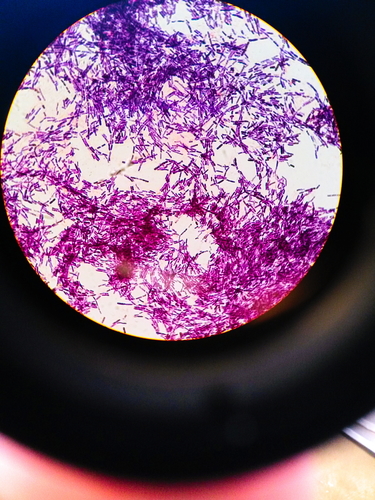
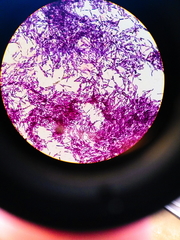 Bacillus thuringiensise0biocontrol_agent
- Outcome
- inundative release of T. brassicae and/or microbial controle0
- Qualifier
- risk of exceeding the economic threshold limit is highe0
Organisms pictured · Representative pictures of the matched species, not figures from the paper.
Verbatim
e0“when the risk of exceeding the economic threshold limit is high, and this may be the case when maize is cultivated for seeds or for horticultural crops such as sweet corn, inundative release of T. brassicae and/or microbial control (i.e., use of Bacillus thuringiensis preparations) can integrate natural biocontrol, and provide a valuable alternative to chemical insecticides.”
The same questions in other papers
insecticide · ecology: diversity · Zea mays (maize)Positive and negative results
4 papers in the same direction as this paper · 3 in the opposite direction
- positive
- positive
- positive
4 papers more in this group
See all 8 papers →application · pest · Zea mays (maize)Positive and negative results
6 papers in the same direction as this paper · 28 in the opposite direction
- positive
- positive
- positive
31 papers more in this group
See all 35 papers →insecticide · pest · Zea mays (maize)Positive and negative results
13 papers in the same direction as this paper · 48 in the opposite direction
- positive
- positive
- positive
58 papers more in this group
See all 62 papers →application · ecology: diversity · Zea mays (maize)Results agree
1 paper in the same direction as this paper
- negative
Claims are grouped by organism, treatment and what was measured or targeted. A paper counts as positive when any of its claims in the group is positive.