Abstract
Flower endophytic fungi play a major role in plant reproduction, stress resistance, and growth and development. However, little is known about how artificial cultivation affects the endophytic fungal community found in the tepals of rare horticultural plants. In this research, we used high-throughput sequencing technology combined with bioinformatics analysis to reveal the endophytic fungal community of tepals in Lirianthe delavayi and the effects of artificial cultivation on the community composition and function of these plants, using tepals of L. delavayi from wild habitat, cultivated campus habitat, and cultivated field habitat as research objects. The results showed that the variety of endophytic fungi in the tepals of L. delavayi was abundant, with a total of 907 Amplicon sequencing variants (ASVs) obtained from all the samples, which were further classified into 4 phyla, 23 classes, 51 orders, 97 families, 156 genera, and 214 species. We also found that artificial cultivation had a significant impact on the community composition of endophytic fungi. Although there was no significant difference at the phylum level, with Ascomycota and Basidiomycota being the main phyla, there were significant differences in dominant and unique genera. Artificial cultivation has led to the addition of new pathogenic fungal genera, such as Phaeosphaeria, Botryosphaeria, and Paraconiothyrium, increasing the risk of disease in L. delavayi. In addition, the abundance of the endophytic fungus Rhodotorula, which is typical in plant reproductive organs, decreased. Artificial cultivation also altered the metabolic pathways of endophytic fungi, decreasing their ability to resist pests and diseases and reducing their ability to reproduce. A comparison of endophytic fungi in tepals and leaves revealed significant differences in community composition and changes in the endophytic diversity caused by artificial cultivation. To summarize, our results indicate that endophytic fungi in the tepals of L. delavayi mainly consist of pathogenic and saprophytic fungi. Simultaneously, artificial cultivation introduces a great number of pathogenic fungi that alter the metabolic pathways associated with plant resistance to disease and pests, as well as reproduction, which can increase the risk of plant disease and reduce plant reproductive capacity. Our study provides an important reference for the conservation and breeding of rare horticultural plants.
Abstract from the paper’s OpenAlex record; open copy licensed cc-by. Read at the source ↗
The text the model read, with the source record’s inline markup (italics, sub- and superscripts) rendered and its character entities decoded; quote offsets refer to the raw text.
Claims 12
Claim · model-written summary
Tepal endophytic fungi yielded 907 ASVs classified into 4 phyla, 23 classes, 51 orders, 97 families, 156 genera and 214 species.
- Taxon
- L. delavayi
 Magnolia delavayie0
- Organ / stage
- tepalse0
- Interactor
- endophytic fungie0other
- Outcome
- variety of endophytic fungie0
- Value
- 907 Amplicon sequencing variants (ASVs)e0
- Qualifier
- 4 phyla, 23 classes, 51 orders, 97 families, 156 genera, and 214 speciese0
Organisms pictured · Representative pictures of the matched species, not figures from the paper.

Verbatim
e0“The results showed that the variety of endophytic fungi in the tepals of L. delavayi was abundant, with a total of 907 Amplicon sequencing variants (ASVs) obtained from all the samples, which were further classified into 4 phyla, 23 classes, 51 orders, 97 families, 156 genera, and 214 species.”
Claim · model-written summary
Cultivation significantly affected fungal community composition.
- Taxon
- Lirianthe delavayiMagnolia delavayit0
- Treatment
- artificial cultivatione0
- Interactor
- endophytic fungie0other
- Outcome
- community composition of endophytic fungie0
Not reportedComparatorDirection
Organisms pictured · Representative pictures of the matched species, not figures from the paper.
Verbatim
e0“We also found that artificial cultivation had a significant impact on the community composition of endophytic fungi.”
t0“Lirianthe delavayi”
Claim · model-written summary
Phylum-level composition did not differ significantly; Ascomycota and Basidiomycota were dominant.
- Taxon
- Lirianthe delavayiMagnolia delavayit0
- Outcome
- no significant difference at the phylum levele0
- Qualifier
- Ascomycota and Basidiomycota being the main phylae0
Organisms pictured · Representative pictures of the matched species, not figures from the paper.
Verbatim
e0“Although there was no significant difference at the phylum level, with Ascomycota and Basidiomycota being the main phyla”
t0“Lirianthe delavayi”
Claim · model-written summary
Dominant and unique fungal genera differed significantly.
- Taxon
- Lirianthe delavayiMagnolia delavayit0
- Outcome
- dominant and unique generae0
Not reportedDirection
Organisms pictured · Representative pictures of the matched species, not figures from the paper.
Verbatim
e0“there were significant differences in dominant and unique genera.”
t0“Lirianthe delavayi”
Claim · model-written summary
Cultivation introduced Phaeosphaeria, increasing disease risk.
- Taxon
- L. delavayiMagnolia delavayie0
- Treatment
- Artificial cultivatione0
- Interactor
- PhaeosphaeriaPhaeosphaeriae0pathogen
- Outcome
- addition of new pathogenic fungal generae0
Not reportedComparatorDirection
Organisms pictured · Representative pictures of the matched species, not figures from the paper.
Verbatim
e0“Artificial cultivation has led to the addition of new pathogenic fungal genera, such as Phaeosphaeria, Botryosphaeria, and Paraconiothyrium, increasing the risk of disease in L. delavayi.”
Claim · model-written summary
Cultivation introduced Botryosphaeria, increasing disease risk.
- Taxon
- L. delavayiMagnolia delavayie0
- Treatment
- Artificial cultivatione0
- Interactor
- Botryosphaeria
 Botryosphaeriae0pathogen
- Outcome
- addition of new pathogenic fungal generae0
Not reportedComparatorDirection
Organisms pictured · Representative pictures of the matched species, not figures from the paper.

Verbatim
e0“Artificial cultivation has led to the addition of new pathogenic fungal genera, such as Phaeosphaeria, Botryosphaeria, and Paraconiothyrium, increasing the risk of disease in L. delavayi.”
Claim · model-written summary
Cultivation introduced Paraconiothyrium, increasing disease risk.
- Taxon
- L. delavayiMagnolia delavayie0
- Treatment
- Artificial cultivatione0
- Interactor
- Paraconiothyrium
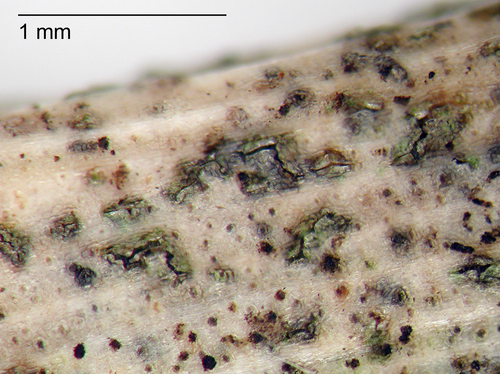
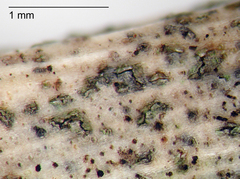 Paraconiothyriume0pathogen
- Outcome
- addition of new pathogenic fungal generae0
Not reportedComparatorDirection
Organisms pictured · Representative pictures of the matched species, not figures from the paper.
Verbatim
e0“Artificial cultivation has led to the addition of new pathogenic fungal genera, such as Phaeosphaeria, Botryosphaeria, and Paraconiothyrium, increasing the risk of disease in L. delavayi.”
Claim · model-written summary
Rhodotorula abundance decreased under cultivation.
- Taxon
- Rhodotorula
 Rhodotorulae0
- Treatment
- Artificial cultivatione1
- Outcome
- abundance of the endophytic fungus Rhodotorulae0
- Direction
- decreasede0
Not reportedComparator
Organisms pictured · Representative pictures of the matched species, not figures from the paper.

Verbatim
e0“In addition, the abundance of the endophytic fungus Rhodotorula, which is typical in plant reproductive organs, decreased.”
e1“Artificial cultivation also altered the metabolic pathways of endophytic fungi”
Claim · model-written summary
Cultivation altered fungal metabolic pathways and decreased resistance to pests and diseases.
- Taxon
- Lirianthe delavayiMagnolia delavayit0
- Treatment
- Artificial cultivatione0
- Interactor
- endophytic fungie0other
- Outcome
- ability to resist pests and diseasese0
- Direction
- decreasinge0
- Qualifier
- altered the metabolic pathways of endophytic fungie0
Not reportedComparator
Organisms pictured · Representative pictures of the matched species, not figures from the paper.
Verbatim
e0“Artificial cultivation also altered the metabolic pathways of endophytic fungi, decreasing their ability to resist pests and diseases and reducing their ability to reproduce.”
t0“Lirianthe delavayi”
Claim · model-written summary
Cultivation reduced reproductive ability through altered fungal metabolism.
- Taxon
- Lirianthe delavayiMagnolia delavayit0
- Treatment
- Artificial cultivatione0
- Interactor
- endophytic fungie0other
- Outcome
- ability to reproducee0
- Direction
- reducinge0
Not reportedComparator
Organisms pictured · Representative pictures of the matched species, not figures from the paper.
Verbatim
e0“Artificial cultivation also altered the metabolic pathways of endophytic fungi, decreasing their ability to resist pests and diseases and reducing their ability to reproduce.”
t0“Lirianthe delavayi”
Claim · model-written summary
Tepals and leaves differed significantly in fungal community composition and cultivation-related diversity changes.
- Taxon
- Lirianthe delavayiMagnolia delavayit0
- Organ / stage
- tepalse0
- Interactor
- endophytic fungie0other
- Outcome
- community composition and changes in the endophytic diversitye0
- Comparator
- leavese0
Organisms pictured · Representative pictures of the matched species, not figures from the paper.
Verbatim
e0“A comparison of endophytic fungi in tepals and leaves revealed significant differences in community composition and changes in the endophytic diversity caused by artificial cultivation.”
t0“Lirianthe delavayi”
Claim · model-written summary
Tepal endophytic fungi mainly comprised pathogenic and saprophytic fungi.
- Taxon
- L. delavayiMagnolia delavayie0
- Organ / stage
- tepalse0
- Interactor
- endophytic fungie0other
- Outcome
- mainly consist of pathogenic and saprophytic fungie0
Organisms pictured · Representative pictures of the matched species, not figures from the paper.
Verbatim
e0“our results indicate that endophytic fungi in the tepals of L. delavayi mainly consist of pathogenic and saprophytic fungi.”