Abstract
Potato tuber moth (Phthorimaea operculella Zeller) is a key pest of potato for storage and field as well. In order to determine the efficacy of novel pesticides a bioassays was done using different pesticides selected at different concentrations. An experiment on “Determination of the efficacy of novel pesticides against potato tuber moth (Phthorimaea operculella Zeller) in laboratory condition on seed potato” was carried out in the Laboratory of Entomological Division, NARC, Khumaltar, Lalitpur from 20th April 2022 to 20th August to determine the efficacy of novel pesticides used to control against potato tuber moth. Bioassays were used to determine the effect of pesticides selected at different concentrations. Mass rearing of potato tuber moth was conducted, and the temperature and humidity were also noted in the laboratory (±27˚C) and ±70%. The different biological features and the damage index of potato tubers have been evaluated and found to be highest on Bacillus thuringiensis, the highest mortality% was studied, and the live population and adult emergence were reported highest at the mid-time of trial. The study revealed the effectiveness of the pesticides against potato tuber moths, three pesticides Chlorantraniliprole, Spinosad, and, Bacillus thuringiensis have higher efficacy than Bojho and the mortality rate was Chlorantraniliprole (100%), Spinosad (85%), Bacillus thuringiensis (70%) whereas, the lowest mortality rate in treatment Bojho (60%). High Infestation was also seen in Bojho as compared to the other three pesticides. All the novel pesticides used were found to be effective against the pest in reducing the population in laboratory conditions; however, their effectiveness was directly proportional to the concentration and exposure periods. The study has demonstrated the possibility of using novel compounds against potato tuber moth in storage condition potato.
Abstract from the paper’s OpenAlex record, shown for indexing and research. Copyright remains with the authors or the publisher. Read at the source ↗
The text the model read, with the source record’s inline markup (italics, sub- and superscripts) rendered and its character entities decoded; quote offsets refer to the raw text.
Claims 6
Claim · model-written summary
Chlorantraniliprole produced 100% potato tuber moth mortality.
- Taxon
- potato
 Solanum tuberosumt0
- Treatment
- Chlorantraniliprolee0
- Interactor
- potato tuber motht1pest
- Outcome
- mortality ratee0
- Value
- 100%e0
- Comparator
- Bojhoe0
Not reportedDirection
Organisms pictured · Representative pictures of the matched species, not figures from the paper.

Verbatim
e0“mortality rate was Chlorantraniliprole (100%), Spinosad (85%), Bacillus thuringiensis (70%) whereas, the lowest mortality rate in treatment Bojho (60%)”
t0“seed potato”
t1“potato tuber moth (Phthorimaea operculella zeller)”
Claim · model-written summary
Spinosad produced 85% potato tuber moth mortality.
- Taxon
- potatoSolanum tuberosumt0
- Treatment
- Spinosade0
- Interactor
- potato tuber motht1pest
- Outcome
- mortality ratee0
- Direction
- highere1
- Value
- 85%e0
- Comparator
- Bojhoe0
Organisms pictured · Representative pictures of the matched species, not figures from the paper.
Verbatim
e0“mortality rate was Chlorantraniliprole (100%), Spinosad (85%), Bacillus thuringiensis (70%) whereas, the lowest mortality rate in treatment Bojho (60%)”
e1“three pesticides Chlorantraniliprole, Spinosad, and, Bacillus thuringiensis have higher efficacy than Bojho”
t0“seed potato”
t1“potato tuber moth (Phthorimaea operculella zeller)”
Claim · model-written summary
Bacillus thuringiensis produced 70% potato tuber moth mortality.
- Taxon
- potatoSolanum tuberosumt0
- Treatment
- Bacillus thuringiensise0
- Interactor
- potato tuber motht1pest
- Second interactor
- Bacillus thuringiensis
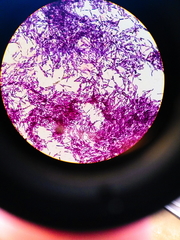 Bacillus thuringiensise0biocontrol_agent
- Outcome
- mortality ratee0
- Direction
- highere1
- Value
- 70%e0
- Comparator
- Bojhoe0
Organisms pictured · Representative pictures of the matched species, not figures from the paper.
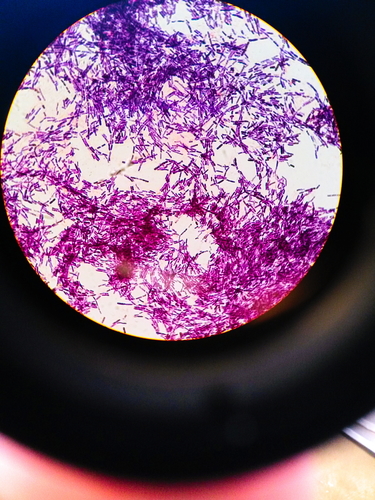
Verbatim
e0“mortality rate was Chlorantraniliprole (100%), Spinosad (85%), Bacillus thuringiensis (70%) whereas, the lowest mortality rate in treatment Bojho (60%)”
e1“three pesticides Chlorantraniliprole, Spinosad, and, Bacillus thuringiensis have higher efficacy than Bojho”
t0“seed potato”
t1“potato tuber moth (Phthorimaea operculella zeller)”
Claim · model-written summary
Bojho produced the lowest potato tuber moth mortality, 60%.
- Taxon
- potatoSolanum tuberosumt0
- Treatment
- Bojhoe0
- Interactor
- potato tuber motht1pest
- Outcome
- mortality ratee0
- Direction
- loweste0
- Value
- 60%e0
Not reportedComparator
Organisms pictured · Representative pictures of the matched species, not figures from the paper.
Verbatim
e0“the lowest mortality rate in treatment Bojho (60%)”
t0“seed potato”
t1“potato tuber moth (Phthorimaea operculella zeller)”
Claim · model-written summary
Bojho had higher potato tuber moth infestation than the other three pesticides.
- Taxon
- potatoSolanum tuberosumt0
- Treatment
- Bojhoe0
- Interactor
- potato tuber motht1pest
- Outcome
- Infestatione0
- Direction
- Highe0
- Comparator
- the other three pesticidese0
Organisms pictured · Representative pictures of the matched species, not figures from the paper.
Verbatim
e0“High Infestation was also seen in Bojho as compared to the other three pesticides.”
t0“seed potato”
t1“potato tuber moth (Phthorimaea operculella zeller)”
Claim · model-written summary
Pesticide effectiveness increased with concentration and exposure period.
- Taxon
- potatoSolanum tuberosumt0
- Treatment
- concentration and exposure periodse0
- Interactor
- potato tuber motht1pest
- Outcome
- effectivenesse0
Not reportedDirection
Organisms pictured · Representative pictures of the matched species, not figures from the paper.
Verbatim
e0“their effectiveness was directly proportional to the concentration and exposure periods.”
t0“seed potato”
t1“potato tuber moth (Phthorimaea operculella zeller)”
The same questions in other papers
spinosad · pest · Solanum tuberosum (potato)Results agree
1 paper in the same direction as this paper
- positive
Bacillus thuringiensis · pest · Solanum tuberosum (potato)Results agree
2 papers in the same direction as this paper
- positive
- positive
Claims are grouped by organism, treatment and what was measured or targeted. A paper counts as positive when any of its claims in the group is positive.