Abstract
Vietnam has a rich and profound traditional medicine system that is widely used today. Medicinal plants are used to treat colds, coughs, bone and joint diseases, digestion, respiratory diseases, etc. In this study, leaves of Artemisia vulgaris, Taraxacum officinale, Blumea balsamifera, and flowers of Xerochrysum bracteatum from the Asteraceae family were selected to determine the antioxidant capacity and relationship with the active ingredients in the plants. The methanolic extracts were screened for chemical compositions via the total phenolic content (TPC) assay, the total flavonoid content (TFC) assay, and DPPH radical scavenging activity. The highest radical scavenging activity was observed in the flowers of X. bracteatum (IC50 = 0.061 mg/mL), followed by the leaves of Taraxacum (IC50 = 0.313 mg/mL), A. vulgaris (IC50 = 1.367 mg/mL), and B. balsamifera (IC50 = 1.4502 mg/mL). The TPC of the studied plants ranged from 19.98 ± 1.355 to 195.78 ± 42.518 mgGAE/g extract, while the TFC ranged from 60.31 ± 1.725 to 339.14 ± 26.299 mgQE/g extract. The highest TPC and TFC were recorded in the methanol extract of X. bracteatum. The strongly negative correlation between the TPC and TFC and the IC50 values (R2 = -0.78, R2 = -0.76) suggests that TFC and TPC could strongly contribute to the antioxidant activity of these plants. These results not only highlight the relevance of these plants in traditional medicine but also scientifically validate their use, particularly in the context of their antioxidant properties. The study underscores the close relationship between the traditional use of these plants and their scientifically observed effects, reinforcing the value of folk remedies.
Abstract from the paper’s OpenAlex record, shown for indexing and research. Copyright remains with the authors or the publisher. Read at the source ↗
The text the model read, with the source record’s inline markup (italics, sub- and superscripts) rendered and its character entities decoded; quote offsets refer to the raw text.
Claims 8
Claim · model-written summary
Xerochrysum bracteatum flowers show the highest radical scavenging activity (IC50 0.061 mg/mL)
- Taxon
- Xerochrysum bracteatum
 Xerochrysum bracteatume0
- Organ / stage
- flowerse1
- Outcome
- radical scavenging activitye1
- Direction
- higheste1
- Value
- IC50 = 0.061 mg/mLe1
Organisms pictured · Representative pictures of the matched species, not figures from the paper.

Verbatim
e0“leaves of Artemisia vulgaris, Taraxacum officinale, Blumea balsamifera, and flowers of Xerochrysum bracteatum from the Asteraceae family”
e1“The highest radical scavenging activity was observed in the flowers of X. bracteatum (IC50 = 0.061 mg/mL), followed by the leaves of Taraxacum (IC50 = 0.313 mg/mL), A. vulgaris (IC50 = 1.367 mg/mL), and B. balsamifera (IC50 = 1.4502 mg/mL)”
Claim · model-written summary
Taraxacum officinale leaves have a radical scavenging IC50 of 0.313 mg/mL
- Taxon
- Taraxacum officinale
 Taraxacum officinalee0
- Organ / stage
- leavese1
- Outcome
- radical scavenging activitye1
- Value
- IC50 = 0.313 mg/mLe1
Organisms pictured · Representative pictures of the matched species, not figures from the paper.
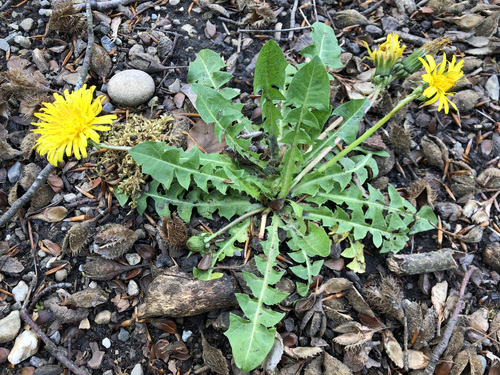
Verbatim
e0“leaves of Artemisia vulgaris, Taraxacum officinale, Blumea balsamifera, and flowers of Xerochrysum bracteatum from the Asteraceae family”
e1“The highest radical scavenging activity was observed in the flowers of X. bracteatum (IC50 = 0.061 mg/mL), followed by the leaves of Taraxacum (IC50 = 0.313 mg/mL), A. vulgaris (IC50 = 1.367 mg/mL), and B. balsamifera (IC50 = 1.4502 mg/mL)”
Claim · model-written summary
Artemisia vulgaris leaves have a radical scavenging IC50 of 1.367 mg/mL
- Taxon
- Artemisia vulgaris
 Artemisia vulgarise0
- Organ / stage
- leavese1
- Outcome
- radical scavenging activitye1
- Value
- IC50 = 1.367 mg/mLe1
Organisms pictured · Representative pictures of the matched species, not figures from the paper.

Verbatim
e0“leaves of Artemisia vulgaris, Taraxacum officinale, Blumea balsamifera, and flowers of Xerochrysum bracteatum from the Asteraceae family”
e1“The highest radical scavenging activity was observed in the flowers of X. bracteatum (IC50 = 0.061 mg/mL), followed by the leaves of Taraxacum (IC50 = 0.313 mg/mL), A. vulgaris (IC50 = 1.367 mg/mL), and B. balsamifera (IC50 = 1.4502 mg/mL)”
Claim · model-written summary
Blumea balsamifera leaves have a radical scavenging IC50 of 1.4502 mg/mL
- Taxon
- Blumea balsamifera
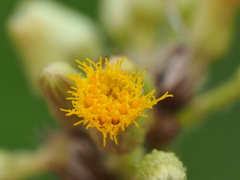 Blumea balsamiferae0
- Organ / stage
- leavese1
- Outcome
- radical scavenging activitye1
- Value
- IC50 = 1.4502 mg/mLe1
Organisms pictured · Representative pictures of the matched species, not figures from the paper.
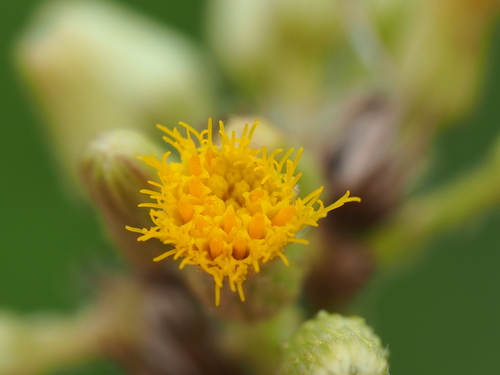
Verbatim
e0“leaves of Artemisia vulgaris, Taraxacum officinale, Blumea balsamifera, and flowers of Xerochrysum bracteatum from the Asteraceae family”
e1“The highest radical scavenging activity was observed in the flowers of X. bracteatum (IC50 = 0.061 mg/mL), followed by the leaves of Taraxacum (IC50 = 0.313 mg/mL), A. vulgaris (IC50 = 1.367 mg/mL), and B. balsamifera (IC50 = 1.4502 mg/mL)”
Claim · model-written summary
Total phenolic content of the four Asteraceae species ranges from 19.98 to 195.78 mgGAE/g extract
- Taxon
- AsteraceaeAsteraceaee0
- Outcome
- TPCe2
- Value
- 19.98 ± 1.355 to 195.78 ± 42.518 mgGAE/g extracte2
Verbatim
e0“leaves of Artemisia vulgaris, Taraxacum officinale, Blumea balsamifera, and flowers of Xerochrysum bracteatum from the Asteraceae family”
e2“The TPC of the studied plants ranged from 19.98 ± 1.355 to 195.78 ± 42.518 mgGAE/g extract, while the TFC ranged from 60.31 ± 1.725 to 339.14 ± 26.299 mgQE/g extract”
Claim · model-written summary
Total flavonoid content of the four Asteraceae species ranges from 60.31 to 339.14 mgQE/g extract
- Taxon
- AsteraceaeAsteraceaee0
- Outcome
- TFCe2
- Value
- 60.31 ± 1.725 to 339.14 ± 26.299 mgQE/g extracte2
Verbatim
e0“leaves of Artemisia vulgaris, Taraxacum officinale, Blumea balsamifera, and flowers of Xerochrysum bracteatum from the Asteraceae family”
e2“The TPC of the studied plants ranged from 19.98 ± 1.355 to 195.78 ± 42.518 mgGAE/g extract, while the TFC ranged from 60.31 ± 1.725 to 339.14 ± 26.299 mgQE/g extract”
Claim · model-written summary
Methanol extract of Xerochrysum bracteatum has the highest TPC and TFC
- Taxon
- X. bracteatumXerochrysum bracteatume3
- Material
- methanol extracte3
- Outcome
- TPC and TFCe3
- Direction
- higheste3
Organisms pictured · Representative pictures of the matched species, not figures from the paper.
Verbatim
e3“The highest TPC and TFC were recorded in the methanol extract of X. bracteatum”
Claim · model-written summary
TPC and TFC are strongly negatively correlated with the IC50 values
- Taxon
- AsteraceaeAsteraceaee0
- Compound
- TPC and TFCe4
- Outcome
- IC50 valuese4
- Direction
- negativee4
Verbatim
e0“leaves of Artemisia vulgaris, Taraxacum officinale, Blumea balsamifera, and flowers of Xerochrysum bracteatum from the Asteraceae family”
e4“The strongly negative correlation between the TPC and TFC and the IC50 values”