Abstract
Continuous cropping obstacles in watermelon are closely linked to rhizosphere microbial imbalance, posing a major threat to the sustainability of the industry in Xinjiang. Exogenous additives are widely used to regulate soil health, yet comprehensive comparisons of their mechanisms and effects remain limited. In this study, a field experiment was conducted under continuous watermelon cropping conditions in Xinjiang to evaluate the impact of eight treatments, including chemical fertilizer (NPK) alone and its combination with organic fertilizer (NPKM), glucose (NPKG), oxalic acid (NPKOA), amino acids (NPKGA), citric acid (NPKCA), and acetic acid (NPKAA), with unfertilized soil as the control (CK). Treatment effects were assessed through soil physicochemical analysis, fruit quality evaluation, and high-throughput sequencing (16S rRNA and ITS). Among all treatments, NPKM showed the greatest improvement in soil fertility, increasing soil organic matter by 13.91%, total nitrogen by 23.08%, and single fruit weight by 35.75% compared to CK. NPKGA also enhanced fruit weight (+33.06% vs. CK) and increased catalase activity, while oxalic acid exhibited the strongest activation of alkaline phosphatase. Microbiome analysis revealed that NPKM and NPKAA significantly reshaped both bacterial and fungal community structures. NPKM enriched beneficial taxa such as unclassified Chitinophagaceae and Lophotrichus, whereas NPKCA enriched the biocontrol bacterium Pseudomonas chlororaphis. Soil organic matter and total nitrogen were identified as key environmental drivers, showing significant positive correlations with core bacterial genera (Dokdonella) and negative correlations with the pathogenic fungus Alternaria. Collectively, this study elucidates the distinct mechanisms of various additives by linking treatment-specific microbial shifts to key soil factors and crop performance, providing a theoretical and technical framework for mitigating watermelon continuous cropping obstacles through rhizosphere environmental regulation.
Abstract from the paper’s OpenAlex record; open copy licensed cc-by. Read at the source ↗
The text the model read, with the source record’s inline markup (italics, sub- and superscripts) rendered and its character entities decoded; quote offsets refer to the raw text.
Claims 15
Claim · model-written summary
NPKM increased soil organic matter by 13.91% versus CK.
- Taxon
- watermelon
 Citrullus lanatuse1
- Treatment
- NPKMe0
- Outcome
- soil organic mattere0
- Direction
- increasinge0
- Value
- 13.91%e0
- Comparator
- CKe0
- Setting
- Xinjiange1
Organisms pictured · Representative pictures of the matched species, not figures from the paper.

Verbatim
e0“NPKM showed the greatest improvement in soil fertility, increasing soil organic matter by 13.91%, total nitrogen by 23.08%, and single fruit weight by 35.75% compared to CK”
e1“continuous watermelon cropping conditions in Xinjiang”
Claim · model-written summary
NPKM increased total nitrogen by 23.08% versus CK.
- Taxon
- watermelonCitrullus lanatuse1
- Treatment
- NPKMe0
- Outcome
- total nitrogene0
- Direction
- increasinge0
- Value
- 23.08%e0
- Comparator
- CKe0
Organisms pictured · Representative pictures of the matched species, not figures from the paper.
Verbatim
e0“NPKM showed the greatest improvement in soil fertility, increasing soil organic matter by 13.91%, total nitrogen by 23.08%, and single fruit weight by 35.75% compared to CK”
e1“continuous watermelon cropping conditions in Xinjiang”
Claim · model-written summary
NPKM increased single fruit weight by 35.75% versus CK.
- Taxon
- watermelonCitrullus lanatuse1
- Treatment
- NPKMe0
- Outcome
- single fruit weighte0
- Direction
- increasinge0
- Value
- 35.75%e0
- Comparator
- CKe0
Organisms pictured · Representative pictures of the matched species, not figures from the paper.
Verbatim
e0“NPKM showed the greatest improvement in soil fertility, increasing soil organic matter by 13.91%, total nitrogen by 23.08%, and single fruit weight by 35.75% compared to CK”
e1“continuous watermelon cropping conditions in Xinjiang”
Claim · model-written summary
NPKGA increased fruit weight by 33.06% versus CK.
- Taxon
- watermelonCitrullus lanatuse1
- Treatment
- NPKGAe0
- Outcome
- fruit weighte0
- Direction
- enhancede0
- Value
- +33.06%e0
- Comparator
- CKe0
Organisms pictured · Representative pictures of the matched species, not figures from the paper.
Verbatim
e0“NPKGA also enhanced fruit weight (+33.06% vs. CK) and increased catalase activity”
e1“continuous watermelon cropping conditions in Xinjiang”
Claim · model-written summary
NPKGA increased catalase activity.
- Taxon
- watermelonCitrullus lanatuse1
- Treatment
- NPKGAe0
- Outcome
- catalase activitye0
- Direction
- increasede0
Not reportedComparator
Organisms pictured · Representative pictures of the matched species, not figures from the paper.
Verbatim
e0“NPKGA also enhanced fruit weight (+33.06% vs. CK) and increased catalase activity”
e1“continuous watermelon cropping conditions in Xinjiang”
Claim · model-written summary
Oxalic acid produced the strongest alkaline phosphatase activation.
- Taxon
- watermelonCitrullus lanatuse1
- Treatment
- oxalic acide0
- Outcome
- alkaline phosphatasee0
- Direction
- strongest activatione0
Not reportedComparator
Organisms pictured · Representative pictures of the matched species, not figures from the paper.
Verbatim
e0“oxalic acid exhibited the strongest activation of alkaline phosphatase”
e1“continuous watermelon cropping conditions in Xinjiang”
Claim · model-written summary
NPKM significantly reshaped bacterial and fungal community structures.
- Taxon
- watermelonCitrullus lanatuse1
- Treatment
- NPKMe0
- Outcome
- bacterial and fungal community structurese0
Not reportedComparatorDirection
Organisms pictured · Representative pictures of the matched species, not figures from the paper.
Verbatim
e0“NPKM and NPKAA significantly reshaped both bacterial and fungal community structures”
e1“continuous watermelon cropping conditions in Xinjiang”
Claim · model-written summary
NPKAA significantly reshaped bacterial and fungal community structures.
- Taxon
- watermelonCitrullus lanatuse1
- Treatment
- NPKAAe0
- Outcome
- bacterial and fungal community structurese0
Not reportedComparatorDirection
Organisms pictured · Representative pictures of the matched species, not figures from the paper.
Verbatim
e0“NPKM and NPKAA significantly reshaped both bacterial and fungal community structures”
e1“continuous watermelon cropping conditions in Xinjiang”
Claim · model-written summary
NPKM enriched unclassified Chitinophagaceae.
- Taxon
- watermelonCitrullus lanatuse1
- Treatment
- NPKMe0
- Interactor
- unclassified Chitinophagaceaeunclassified Chitinophagaceaee0symbiont
- Outcome
- unclassified Chitinophagaceaee0
- Direction
- enrichede0
Not reportedComparator
Organisms pictured · Representative pictures of the matched species, not figures from the paper.
Verbatim
e0“NPKM enriched beneficial taxa such as unclassified Chitinophagaceae and Lophotrichus”
e1“continuous watermelon cropping conditions in Xinjiang”
Claim · model-written summary
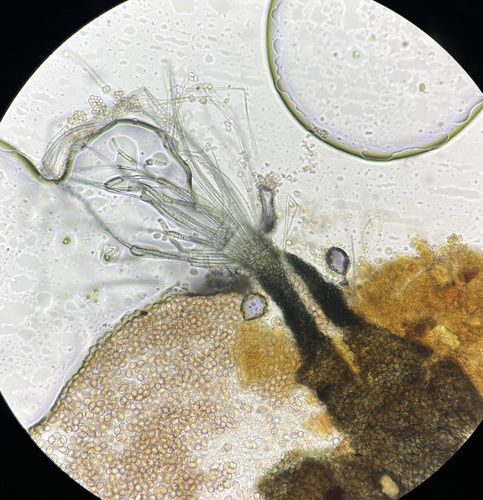
NPKM enriched Lophotrichus.
- Taxon
- watermelonCitrullus lanatuse1
- Treatment
- NPKMe0
- Interactor
- Lophotrichus
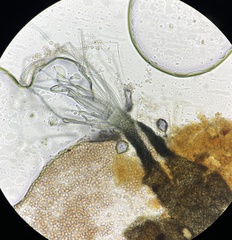 Lophotrichuse0symbiont
- Outcome
- Lophotrichuse0
- Direction
- enrichede0
Not reportedComparator
Organisms pictured · Representative pictures of the matched species, not figures from the paper.
Verbatim
e0“NPKM enriched beneficial taxa such as unclassified Chitinophagaceae and Lophotrichus”
e1“continuous watermelon cropping conditions in Xinjiang”
Claim · model-written summary
NPKCA enriched Pseudomonas chlororaphis.
- Taxon
- watermelonCitrullus lanatuse1
- Treatment
- NPKCAe0
- Interactor
- Pseudomonas chlororaphisPseudomonas chlororaphise0biocontrol_agent
- Outcome
- Pseudomonas chlororaphise0
- Direction
- enrichede0
Not reportedComparator
Organisms pictured · Representative pictures of the matched species, not figures from the paper.
Verbatim
e0“NPKCA enriched the biocontrol bacterium Pseudomonas chlororaphis”
e1“continuous watermelon cropping conditions in Xinjiang”
Claim · model-written summary
Soil organic matter correlated positively with Dokdonella.
- Taxon
- watermelonCitrullus lanatuse1
- Interactor
- DokdonellaDokdonellae0symbiont
- Compound
- Soil organic mattere0
- Outcome
- core bacterial genera (Dokdonella)e0
- Direction
- positive correlationse0
Organisms pictured · Representative pictures of the matched species, not figures from the paper.
Verbatim
e0“Soil organic matter and total nitrogen were identified as key environmental drivers, showing significant positive correlations with core bacterial genera (Dokdonella) and negative correlations with the pathogenic fungus Alternaria”
e1“continuous watermelon cropping conditions in Xinjiang”
Claim · model-written summary
Total nitrogen correlated positively with Dokdonella.
- Taxon
- watermelonCitrullus lanatuse1
- Interactor
- DokdonellaDokdonellae0symbiont
- Compound
- total nitrogene0
- Outcome
- core bacterial genera (Dokdonella)e0
- Direction
- positive correlationse0
Organisms pictured · Representative pictures of the matched species, not figures from the paper.
Verbatim
e0“Soil organic matter and total nitrogen were identified as key environmental drivers, showing significant positive correlations with core bacterial genera (Dokdonella) and negative correlations with the pathogenic fungus Alternaria”
e1“continuous watermelon cropping conditions in Xinjiang”
Claim · model-written summary
Soil organic matter correlated negatively with Alternaria.
- Taxon
- watermelonCitrullus lanatuse1
- Interactor
- Alternaria
 Alternariae0pathogen
- Compound
- Soil organic mattere0
- Outcome
- pathogenic fungus Alternariae0
- Direction
- negative correlationse0
Organisms pictured · Representative pictures of the matched species, not figures from the paper.

Verbatim
e0“Soil organic matter and total nitrogen were identified as key environmental drivers, showing significant positive correlations with core bacterial genera (Dokdonella) and negative correlations with the pathogenic fungus Alternaria”
e1“continuous watermelon cropping conditions in Xinjiang”
Claim · model-written summary
Total nitrogen correlated negatively with Alternaria.
- Taxon
- watermelonCitrullus lanatuse1
- Interactor
- AlternariaAlternariae0pathogen
- Compound
- total nitrogene0
- Outcome
- pathogenic fungus Alternariae0
- Direction
- negative correlationse0
Organisms pictured · Representative pictures of the matched species, not figures from the paper.
Verbatim
e0“Soil organic matter and total nitrogen were identified as key environmental drivers, showing significant positive correlations with core bacterial genera (Dokdonella) and negative correlations with the pathogenic fungus Alternaria”
e1“continuous watermelon cropping conditions in Xinjiang”