Claim · model-written summary
V. uliginosa cells showed reduced cyclotide production regardless of dose or duration.
- Taxon
- V. uliginosa
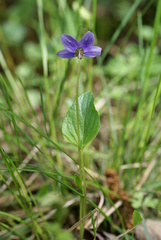 Viola uliginosae0
- Treatment
- metal treatmente0
- Outcome
- production of cyclotidese0
- Direction
- decreasee0
- Qualifier
- independent of the dose and duratione0
Not reportedMaterialGeneCompoundOrgan / stageInteractorInteractor roleSecond interactorSecond interactor roleComparatorSettingValue
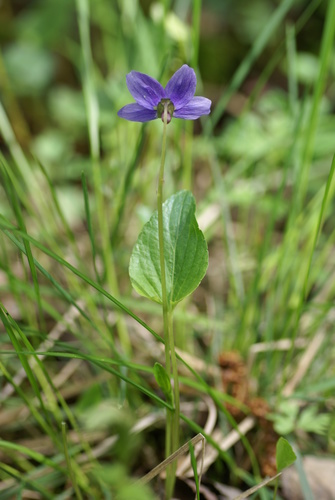
Organisms pictured · Representative pictures of the matched species, not figures from the paper.
Verbatim
e0“The nonmetallophyte-V. uliginosa presented a decrease in the production of cyclotides independent of the dose and duration of the metal treatment”
Title
The involvement of cyclotides in the heavy metal tolerance of Viola spp.
Klaudia Sychta; Aneta Słomka; Reza Shariatgorji; et al. Scientific Reports 2024. doi:10.1038/s41598-024-69018-x
Other claims from this paper (6)
- Association Cyclotide biosynthesis depended on metal type, concentration, exposure time, species, and population type.
- Association Cyclotide biosynthesis correlated positively with Viola metal tolerance.
- Intervention effect Metallophyte cells produced more cyclotides, especially under zinc treatment.
- Observation Cyclotides colocalized more evidently with lead than zinc.
- Method / resource Viola lutea transcriptome mining yielded 100 cyclotide sequences.
- Mechanism The findings support a role of cyclotides in heavy-metal tolerance mechanisms.