Claim · model-written summary
The UHPLC-MS method had a limit of quantification (LOQ) of 0.499 µg/mL.
- Taxon
- Harpagophytum
 Harpagophytumt0
- Outcome
- limit of quantification (LOQ)e1
- Value
- 0.499 µg/mLe1
Not reportedMaterialGeneCompoundOrgan / stageInteractorInteractor roleSecond interactorSecond interactor roleTreatmentComparatorSettingDirectionQualifier
Organisms pictured · Representative pictures of the matched species, not figures from the paper.
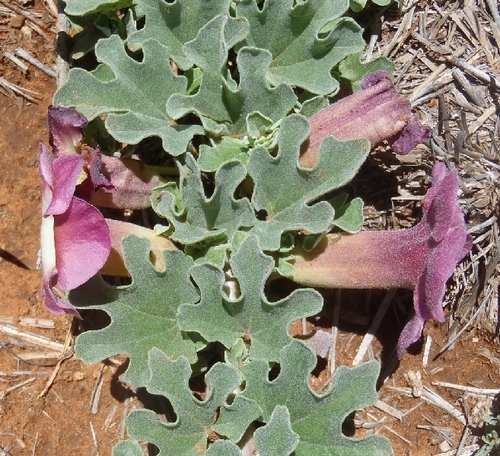
Verbatim
t0“Harpagophytum procumbens and H. zeyheri”
e1“a limit of quantification (LOQ) of 0.499 µg/mL”
Title
E. Pretorius; N.P. Mncwangi; R.M. Kabongo; et al. South African Journal of Botany 2021. doi:10.1016/j.sajb.2021.09.029
Other claims from this paper (12)
- Method / resource The UHPLC-MS method had a limit of detection (LOD) of 0.165 µg/mL.
- Observation Harpagoside content of H. procumbens varied widely, from 0.17 to 4.37%.
- Observation Harpagoside content of H. zeyheri varied widely, from 0.00 to 3.07%.
- Observation Only 41% of H. procumbens raw materials contained harpagoside.
- Observation Only 17% of H. zeyheri raw materials contained harpagoside.
- Observation Using HPTLC, 90% of the commercial products tested were determined to contain harpagoside.
- Observation UHPLC-MS found harpagoside content out of specification in 10% of analysed commercial products.
- Observation Harpagoside content in commercial products ranged from not detected to 3.50%.
- Method / resource Specific trnL-F sites at positions 118 and 146 and ycf1 site 538 were suitable to distinguish the two Harpagophytum species.
- Observation 76% (16/21) of commercial products were labelled as H. procumbens but contained H. zeyheri.
- Observation BRONX analyses verified the taxonomic identity of Harpagophytum in the herbal products.
- Recommendation DNA barcoding combined with UHPLC-MS and HPTLC could significantly support herbal product authentication.