Abstract
Devil's claw is a popular natural anti-inflammatory phytomedicine. The preparation of Devil's claw products is complicated by the similarity between the morphotypes of Harpagophytum procumbens and H. zeyheri. This study investigated the potential of a validated ultra-high performance liquid chromatography coupled to mass spectrometry (UHPLC-MS) method to investigate the harpagoside content of methanol extracts of the secondary tubers of both species. In addition, DNA barcoding was used to determine the identity of the Harpagophytum species included in commercial Devil's claw products. Herbal reference material of H. procumbens and H. zeyheri, originally harvested in southern Africa, was morphologically authenticated and commercial products containing Harpagophytum were purchased on the internet using the search terms “Harpagophytum” or “Devil's claw.” High-performance thin-layer chromatography (HPTLC) and UHPLC-MS was used for the qualitative and quantitative determination of harpagoside content in commercial products. The UHPLC-MS method developed had a limit of detection (LOD) of 0.165 µg/mL and a limit of quantification (LOQ) of 0.499 µg/mL. Quantitative UHPLC-MS analysis revealed high variability in the harpagoside content for both species; H. procumbens (0.17-4.37%) and H. zeyheri (0.00-3.07%). Only 41% of H. procumbens and 17% of H. zeyheri raw materials contained harpagoside. Using HPTLC, 90% of the commercial products tested were determined to contain harpagoside. The results were congruent with the UHPLC-MS analysis where the harpagoside content was out of specification for 10% of analyzed commercial products. The harpagoside content in commercial products varied from not detected to 3.50%. PCR amplification followed by comparative sequencing analysis of trnL-F, and ycf1 plastid gene amplicons indicated specific sites in trnL-F at positions 118 and 146 and at position 538 in ycf1 amplicons suitable to distinguish the two Harpagophytum species. These sites were used to barcode the herbal products and Character-based Barcode Recognition Obtained with Nucleotide eXposés (BRONX) analyses verified the taxonomic identity of the Harpagophytum in the samples. The results revealed that 76% (16/21) of the commercial products tested were incorrectly labelled as H. procumbens and, instead, contained H. zeyheri. Our study suggests that DNA barcoding in combination with the UHPLC-MS and HPTLC could significantly support herbal product authentication. This study contributed knowledge and methods that can be implemented to enhance the quality of commercial Devil's claw products.
Abstract from the paper’s OpenAlex record; open copy licensed cc-by. Read at the source ↗
The text the model read, with the source record’s inline markup (italics, sub- and superscripts) rendered and its character entities decoded; quote offsets refer to the raw text.
Claims 13
Claim · model-written summary
The UHPLC-MS method had a limit of detection (LOD) of 0.165 µg/mL.
- Taxon
- Harpagophytum
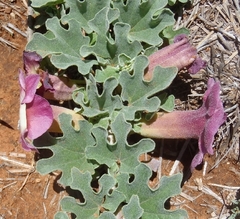 Harpagophytumt0
- Outcome
- limit of detection (LOD)e1
- Value
- 0.165 µg/mLe1
Organisms pictured · Representative pictures of the matched species, not figures from the paper.
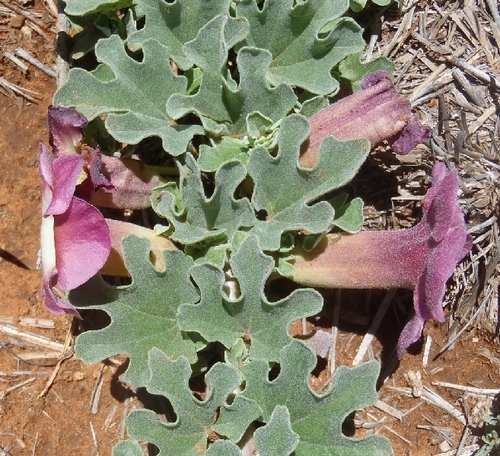
Verbatim
t0“Harpagophytum procumbens and H. zeyheri”
e1“The UHPLC-MS method developed had a limit of detection (LOD) of 0.165 µg/mL”
Claim · model-written summary
The UHPLC-MS method had a limit of quantification (LOQ) of 0.499 µg/mL.
- Taxon
- HarpagophytumHarpagophytumt0
- Outcome
- limit of quantification (LOQ)e1
- Value
- 0.499 µg/mLe1
Organisms pictured · Representative pictures of the matched species, not figures from the paper.
Verbatim
t0“Harpagophytum procumbens and H. zeyheri”
e1“a limit of quantification (LOQ) of 0.499 µg/mL”
Claim · model-written summary
Harpagoside content of H. procumbens varied widely, from 0.17 to 4.37%.
- Taxon
- H. procumbens
 Harpagophytum procumbense1
- Organ / stage
- secondary tuberse2
- Outcome
- harpagoside contente1
- Value
- 0.17-4.37%e1
- Qualifier
- high variabilitye1
Organisms pictured · Representative pictures of the matched species, not figures from the paper.

Verbatim
e1“high variability in the harpagoside content for both species; H. procumbens (0.17-4.37%) and H. zeyheri (0.00-3.07%)”
e2“methanol extracts of the secondary tubers of both species”
Claim · model-written summary
Harpagoside content of H. zeyheri varied widely, from 0.00 to 3.07%.
- Taxon
- H. zeyheri
 Harpagophytum zeyherie1
- Organ / stage
- secondary tuberse2
- Outcome
- harpagoside contente1
- Value
- 0.00-3.07%e1
- Qualifier
- high variabilitye1
Organisms pictured · Representative pictures of the matched species, not figures from the paper.

Verbatim
e1“high variability in the harpagoside content for both species; H. procumbens (0.17-4.37%) and H. zeyheri (0.00-3.07%)”
e2“methanol extracts of the secondary tubers of both species”
Claim · model-written summary
Only 41% of H. procumbens raw materials contained harpagoside.
- Taxon
- H. procumbensHarpagophytum procumbense3
- Outcome
- raw materials contained harpagosidee3
- Value
- 41%e3
Organisms pictured · Representative pictures of the matched species, not figures from the paper.
Verbatim
e3“Only 41% of H. procumbens and 17% of H. zeyheri raw materials contained harpagoside”
Claim · model-written summary
Only 17% of H. zeyheri raw materials contained harpagoside.
- Taxon
- H. zeyheriHarpagophytum zeyherie3
- Outcome
- raw materials contained harpagosidee3
- Value
- 17%e3
Organisms pictured · Representative pictures of the matched species, not figures from the paper.
Verbatim
e3“Only 41% of H. procumbens and 17% of H. zeyheri raw materials contained harpagoside”
Claim · model-written summary
Using HPTLC, 90% of the commercial products tested were determined to contain harpagoside.
- Taxon
- HarpagophytumHarpagophytumt0
- Outcome
- contain harpagosidee4
- Value
- 90%e4
Organisms pictured · Representative pictures of the matched species, not figures from the paper.
Verbatim
t0“Harpagophytum procumbens and H. zeyheri”
e4“Using HPTLC, 90% of the commercial products tested were determined to contain harpagoside”
Claim · model-written summary
UHPLC-MS found harpagoside content out of specification in 10% of analysed commercial products.
- Taxon
- HarpagophytumHarpagophytumt0
- Outcome
- out of specificatione5
- Value
- 10%e5
Organisms pictured · Representative pictures of the matched species, not figures from the paper.
Verbatim
t0“Harpagophytum procumbens and H. zeyheri”
e5“The results were congruent with the UHPLC-MS analysis where the harpagoside content was out of specification for 10% of analyzed commercial products”
Claim · model-written summary
Harpagoside content in commercial products ranged from not detected to 3.50%.
- Taxon
- HarpagophytumHarpagophytumt0
- Outcome
- harpagoside contente6
- Value
- not detected to 3.50%e6
Organisms pictured · Representative pictures of the matched species, not figures from the paper.
Verbatim
t0“Harpagophytum procumbens and H. zeyheri”
e6“The harpagoside content in commercial products varied from not detected to 3.50%”
Claim · model-written summary
Specific trnL-F sites at positions 118 and 146 and ycf1 site 538 were suitable to distinguish the two Harpagophytum species.
- Taxon
- HarpagophytumHarpagophytumt0
- Gene
- trnL-Fe7
- Outcome
- suitable to distinguish the two Harpagophytum speciese7
- Value
- positions 118 and 146 and at position 538e7
Organisms pictured · Representative pictures of the matched species, not figures from the paper.
Verbatim
t0“Harpagophytum procumbens and H. zeyheri”
e7“specific sites in trnL-F at positions 118 and 146 and at position 538 in ycf1 amplicons suitable to distinguish the two Harpagophytum species”
Claim · model-written summary
76% (16/21) of commercial products were labelled as H. procumbens but contained H. zeyheri.
- Taxon
- HarpagophytumHarpagophytumt0
- Outcome
- incorrectly labelled as H. procumbense0
- Value
- 76% (16/21)e0
Organisms pictured · Representative pictures of the matched species, not figures from the paper.
Verbatim
t0“Harpagophytum procumbens and H. zeyheri”
e0“76% (16/21) of the commercial products tested were incorrectly labelled as H. procumbens and, instead, contained H. zeyheri”
Claim · model-written summary
BRONX analyses verified the taxonomic identity of Harpagophytum in the herbal products.
- Taxon
- HarpagophytumHarpagophytume0
- Outcome
- taxonomic identity of the Harpagophytum in the samplese0
Organisms pictured · Representative pictures of the matched species, not figures from the paper.
Verbatim
e0“Character-based Barcode Recognition Obtained with Nucleotide eXposés (BRONX) analyses verified the taxonomic identity of the Harpagophytum in the samples”
Claim · model-written summary
DNA barcoding combined with UHPLC-MS and HPTLC could significantly support herbal product authentication.
- Taxon
- HarpagophytumHarpagophytumt0
- Outcome
- herbal product authenticatione0
Organisms pictured · Representative pictures of the matched species, not figures from the paper.
Verbatim
t0“Harpagophytum procumbens and H. zeyheri”
e0“DNA barcoding in combination with the UHPLC-MS and HPTLC could significantly support herbal product authentication”