Claim · model-written summary
Bacteria and fungi biomarkers were more abundant in deciduous broadleaf forest.
- Taxon
- Cryptomeria japonica and Platycarya strobilacea
 Cryptomeria japonica
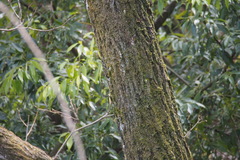 Platycarya strobilaceae1
- Outcome
- bacteria and fungie0
- Direction
- more abundante0
- Comparator
- CFe0
- Setting
- DBFe0
Not reportedMaterialGeneCompoundOrgan / stageInteractorInteractor roleSecond interactorSecond interactor roleTreatmentValueQualifier
Organisms pictured · Representative pictures of the matched species, not figures from the paper.


Verbatim
e0“Most biomarkers indicated bacteria and fungi were more abundant in the DBF than in the CF”
e1“Cryptomeria japonica and Platycarya strobilacea”
Title
Hankun Wang; Ling Zhang; Wenping Deng; et al. Forests 2022. doi:10.3390/f13060924
Other claims from this paper (7)
- Association Habitat and tree type significantly affected coarse woody debris respiration.
- Association Debris respiration was higher in deciduous broadleaf than coniferous forest.
- Observation Woody debris decomposition showed little home-field advantage.
- Association Microbial PLFA concentration was higher in Platycarya than Cryptomeria debris.
- Association Fungal relative abundance correlated positively with debris respiration.
- Association Soil bacterial-to-fungal ratio correlated positively with debris respiration.
- Mechanism The authors infer that fungi may be primary decomposers of woody debris.