Claim · model-written summary
Feeding by Aphis spiraecola reduced shoot length, shoot fresh weight and chlorophyll concentration of sweet orange.
- Taxon
- sweet orange
 Citrus sinensise0
- Treatment
- feeding by A. spiraecolae1
- Interactor
- A. spiraecola
 Aphis spiraecolae1pest
- Second interactor
- A. citricidus
 Aphis citriciduse1pest
- Outcome
- shoot length, shoot fresh weight, and chlorophyll concentratione1
- Direction
- reducede1
- Comparator
- A. citriciduse1
Not reportedMaterialGeneCompoundOrgan / stageSettingValueQualifier
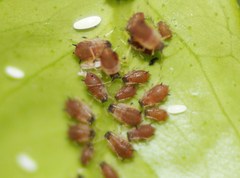
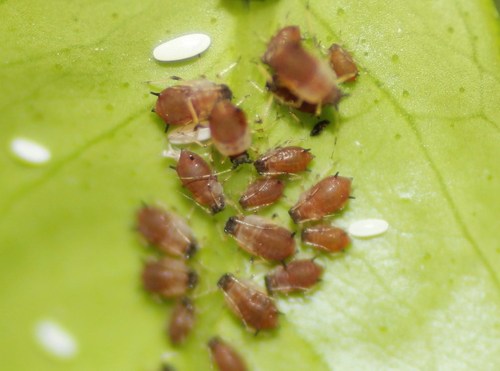
Organisms pictured · Representative pictures of the matched species, not figures from the paper.


Verbatim
e0“sweet orange, Citrus sinensis (L.) Osbeck (Rutaceae)”
e1“feeding by A. spiraecola , but not A. citricidus , caused leaf curling, reduced shoot length, shoot fresh weight, and chlorophyll concentration”
Title
Jing Gao; Baolin Xiu; Ziqiang Sun; et al. Entomologia Experimentalis et Applicata 2021. doi:10.1111/eea.13125
Other claims from this paper (6)
- Intervention effect Feeding by Aphis spiraecola, but not Aphis citricidus, caused leaf curling on sweet orange.
- Intervention effect Feeding by Aphis spiraecola increased essential amino acid concentration in sweet orange leaves compared with uninfested control plants.
- Intervention effect Aphis citricidus gained faster access and acceptance of sweet orange phloem than Aphis spiraecola.
- Intervention effect Aphis citricidus spent more time ingesting sweet orange phloem sap than Aphis spiraecola.
- Intervention effect After 2 weeks of infestation, Aphis spiraecola produced more winged morphs than Aphis citricidus.
- Intervention effect Aphis citricidus achieved higher population abundance than Aphis spiraecola on sweet orange.