Claim · model-written summary
Fusarium lateritium infection increased wheat electrical conductivity by 11.17 μS/(cm·g).
- Taxon
- wheat
 Triticum aestivume1
- Treatment
- back-inoculated onto wheat kernelse0
- Interactor
- F. lateritium
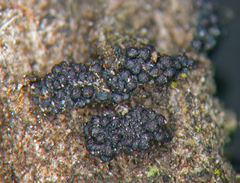 Fusarium lateritiume1pathogen
- Outcome
- electrical conductivity (EC)e4
- Direction
- increasede4
- Value
- 11.17 μS/(cm·g)e4
Not reportedMaterialGeneCompoundOrgan / stageSecond interactorSecond interactor roleComparatorSettingQualifier
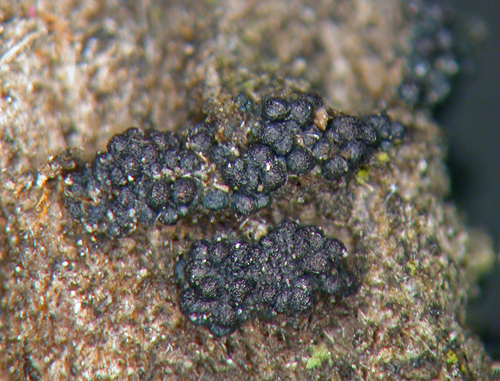
Organisms pictured · Representative pictures of the matched species, not figures from the paper.

Verbatim
e0“four isolated dominant spoilage fungal strains, Fusarium lateritium, Aspergillus niger, Penicillium citrinum and Talaromyces islandicus, were back-inoculated onto wheat kernels sterilized by 60Co gamma irradiation”
e1“The results show that F. lateritium and A. niger exhibited faster growth rates and were able to colonize the entire surface of wheat kernels within 8 days”
e4“electrical conductivity (EC) increased by 11.17 μS/(cm·g) and 7.74 μS/(cm·g)”
Title
Effects of Dominant Fungi on Wheat Quality During Storage
Xiao He; Jin-Qi Zhao; Bing Wu; et al. Foods 2026. doi:10.3390/foods15091595
Other claims from this paper (11)
- Observation Fusarium lateritium grew faster on wheat kernels and colonized the whole kernel surface within 8 days.
- Intervention effect Fusarium lateritium infection decreased wheat superoxide dismutase activity by 33.83 U/g.
- Intervention effect Fusarium lateritium infection decreased wheat peroxidase activity by 1408 U/(g·min).
- Observation Aspergillus niger grew faster on wheat kernels and colonized the whole kernel surface within 8 days.
- Intervention effect Aspergillus niger infection decreased wheat superoxide dismutase activity by 21.90 U/g.
- Intervention effect Aspergillus niger infection decreased wheat peroxidase activity by 745 U/(g·min).
- Intervention effect Aspergillus niger infection increased wheat electrical conductivity by 7.74 μS/(cm·g).
- Association After 10 days, Aspergillus niger reduced water absorption of wheat gluten to 175.91%.
- Association After 10 days, Aspergillus niger elevated the fatty acid value of wheat to 74.20 mg/100g.
- Observation Aspergillus niger infection rendered stored wheat unsuitable for storage.
- Association Penicillium citrinum had the most significant effect on solvent retention capacity of wheat flour.