Claim · model-written summary
Stomata under zinc excess were unable to respond to physiological and chemical stimuli.
- Taxon
- sugar beet (Beta vulgaris)
 Beta vulgarist0
- Outcome
- stomata being unable to respond to physiological and chemical stimulie0
Not reportedMaterialGeneCompoundOrgan / stageInteractorInteractor roleSecond interactorSecond interactor roleTreatmentComparatorSettingDirectionValueQualifier
Organisms pictured · Representative pictures of the matched species, not figures from the paper.
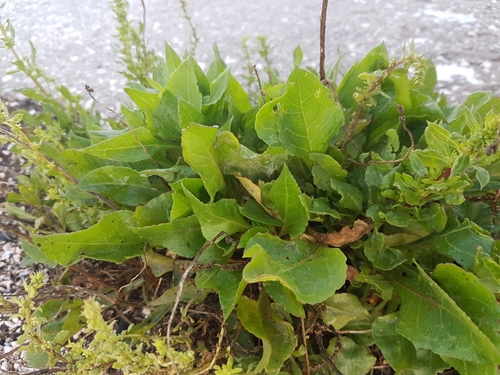
Verbatim
e0“stomata being unable to respond to physiological and chemical stimuli.”
t0“sugar beet (Beta vulgaris)”
Title
R. Sagardoy; S. Vázquez; I. D. Florez‐Sarasa; et al. New Phytologist 2010. doi:10.1111/j.1469-8137.2010.03241.x
Other claims from this paper (10)
- Intervention effect Excess zinc reduced sugar beet photosynthesis.
- Intervention effect Stomatal conductance decreased by 76% under excess zinc.
- Intervention effect Excess zinc had minor effects on photochemistry.
- Intervention effect High zinc reduced stomatal size.
- Intervention effect High zinc reduced stomatal density.
- Observation Stomatal slits were sealed under high zinc.
- Intervention effect Mesophyll conductance to CO(2) fell by 48% under excess zinc.
- Intervention effect Carbonic anhydrase activity increased markedly under zinc excess.
- Intervention effect High zinc doubled respiration through cytochrome and alternative pathways.
- Mechanism The authors attribute impaired photosynthesis under excess zinc to CO(2) depletion at Rubisco due to stomatal and mesophyll conductance loss.