Abstract
In 1997, nine insect species were prioritised for investigation in the South African programme against Chromolaena odorata, based on factors such as type and severity of damage caused, and ease of culturing. Host-specificity testing has been completed on the butterfly Actinote thalia pyrrha, and is almost complete on the stem-boring weevil, Lixus aemulus and leaf-mining fly, Calycomyza sp., the latter two with encouraging results. The host range of A. thalia thalia has also been investigated. Rearing techniques and biologies have been determined for the shoot-tip galling weevil Conotrachelus reticulatus and the root-mining flea beetle Longitarsus horni, and host-specificity testing of these species has been initiated. Following several failed attempts to breed the shoot-tip boring agromyzid Melanagromyza eupatoriella, C. reticulatus was substituted as it occupies a similar functional niche. Melanagromyza eupatoriella may be reconsidered in the future. Several other candidates that had not been prioritised were investigated on the merits of the damage observed in the field. The stem-galling fly Polymorphomyia basilica may be considered as a substitute for Cecidochares connexa, which seems incompatible with the South African biotype of C. odorata. Host-specificity tests on the sap-sucking bug, Leptocysta sexnebulosa, indicated that this candidate was not suitable for release. Difficulties were experienced with breeding of the stem-galling moth, Adaina sp. nov. and shoot-tip boring moth Mescinia sp. nr parvula, and cultures could not be
Abstract from the paper’s OpenAlex record, shown for indexing and research. Copyright remains with the authors or the publisher. Read at the source ↗
The text the model read, with the source record’s inline markup (italics, sub- and superscripts) rendered and its character entities decoded; quote offsets refer to the raw text.
Claims 12
Claim · model-written summary
Host-specificity testing was completed for Actinote thalia pyrrha.
- Taxon
- Chromolaena odorata
 Chromolaena odoratae1
- Interactor
- Actinote thalia pyrrha
 Actinote pyrrhae0biocontrol_agent
- Outcome
- Host-specificity testing has been completede0
Organisms pictured · Representative pictures of the matched species, not figures from the paper.


Verbatim
e0“Host-specificity testing has been completed on the butterfly Actinote thalia pyrrha”
e1“against Chromolaena odorata”
Claim · model-written summary
Host-specificity testing of Lixus aemulus was nearly complete and encouraging.
- Taxon
- Chromolaena odorataChromolaena odoratae1
- Interactor
- Lixus aemulusLixus aemuluse0biocontrol_agent
- Outcome
- encouraging resultse0
Organisms pictured · Representative pictures of the matched species, not figures from the paper.
Verbatim
e0“almost complete on the stem-boring weevil, Lixus aemulus and leaf-mining fly, Calycomyza sp., the latter two with encouraging results”
e1“against Chromolaena odorata”
Claim · model-written summary
Host-specificity testing of Calycomyza sp. was nearly complete and encouraging.
- Taxon
- Chromolaena odorataChromolaena odoratae1
- Interactor
- Calycomyza sp.
 Calycomyzae0biocontrol_agent
- Outcome
- encouraging resultse0
Organisms pictured · Representative pictures of the matched species, not figures from the paper.

Verbatim
e0“almost complete on the stem-boring weevil, Lixus aemulus and leaf-mining fly, Calycomyza sp., the latter two with encouraging results”
e1“against Chromolaena odorata”
Claim · model-written summary
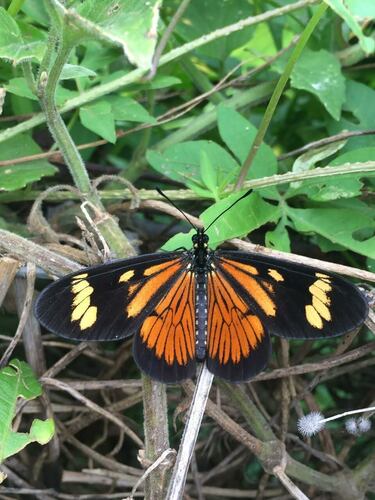
The host range of A. thalia thalia was investigated.
- Taxon
- Chromolaena odorataChromolaena odoratae1
- Interactor
- A. thalia thalia
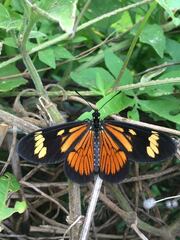 Actinote thaliae0biocontrol_agent
- Outcome
- host rangee0
Organisms pictured · Representative pictures of the matched species, not figures from the paper.
Verbatim
e0“The host range of A. thalia thalia has also been investigated.”
e1“against Chromolaena odorata”
Claim · model-written summary
Rearing techniques and biology were determined for Conotrachelus reticulatus.
- Taxon
- Chromolaena odorataChromolaena odoratae1
- Interactor
- Conotrachelus reticulatuse0biocontrol_agent
- Outcome
- Rearing techniques and biologiese0
Not reportedComparatorValue
Organisms pictured · Representative pictures of the matched species, not figures from the paper.
Verbatim
e0“Rearing techniques and biologies have been determined for the shoot-tip galling weevil Conotrachelus reticulatus”
e1“against Chromolaena odorata”
Claim · model-written summary
Rearing techniques and biology were determined for Longitarsus horni.
- Taxon
- Chromolaena odorataChromolaena odoratae1
- Interactor
- Longitarsus hornie0biocontrol_agent
- Outcome
- Rearing techniques and biologiese0
Not reportedComparatorValue
Organisms pictured · Representative pictures of the matched species, not figures from the paper.
Verbatim
e0“Rearing techniques and biologies have been determined for the shoot-tip galling weevil Conotrachelus reticulatus and the root-mining flea beetle Longitarsus horni”
e1“against Chromolaena odorata”
Claim · model-written summary
Breeding Melanagromyza eupatoriella failed in several attempts.
- Taxon
- Chromolaena odorataChromolaena odoratae1
- Interactor
- Melanagromyza eupatoriellae0biocontrol_agent
- Outcome
- failed attempts to breede0
Organisms pictured · Representative pictures of the matched species, not figures from the paper.
Verbatim
e0“several failed attempts to breed the shoot-tip boring agromyzid Melanagromyza eupatoriella”
e1“against Chromolaena odorata”
Claim · model-written summary
Conotrachelus reticulatus was substituted for Melanagromyza eupatoriella because of a similar functional niche.
- Taxon
- Chromolaena odorataChromolaena odoratae2
- Interactor
- Melanagromyza eupatoriellae1biocontrol_agent
- Second interactor
- C. reticulatuse0biocontrol_agent
- Outcome
- C. reticulatus was substitutede0
- Qualifier
- similar functional nichee0
Organisms pictured · Representative pictures of the matched species, not figures from the paper.
Verbatim
e0“C. reticulatus was substituted as it occupies a similar functional niche.”
e1“the shoot-tip boring agromyzid Melanagromyza eupatoriella”
e2“against Chromolaena odorata”
Claim · model-written summary
Polymorphomyia basilica may substitute for Cecidochares connexa, which seems incompatible with the South African C. odorata biotype.
- Taxon
- Chromolaena odorataChromolaena odoratae1
- Interactor
- Cecidochares connexa
 Cecidochares connexae0biocontrol_agent
- Second interactor
- Polymorphomyia basilicae0biocontrol_agent
- Outcome
- may be considered as a substitutee0
- Qualifier
- seems incompatible with the South African biotype of C. odoratae0
Organisms pictured · Representative pictures of the matched species, not figures from the paper.

Verbatim
e0“The stem-galling fly Polymorphomyia basilica may be considered as a substitute for Cecidochares connexa, which seems incompatible with the South African biotype of C. odorata”
e1“against Chromolaena odorata”
Claim · model-written summary
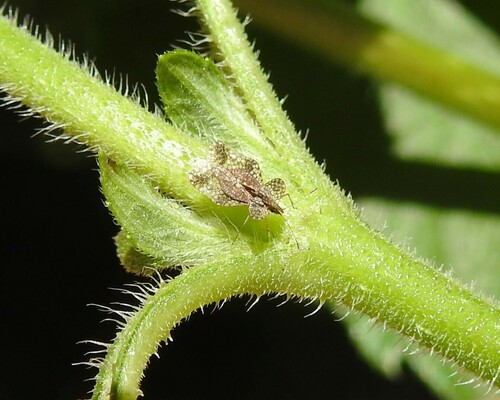
Host-specificity tests found Leptocysta sexnebulosa unsuitable for release.
- Taxon
- Chromolaena odorataChromolaena odoratae1
- Interactor
- Leptocysta sexnebulosa
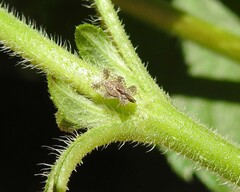 Leptocysta sexnebulosae0biocontrol_agent
- Outcome
- not suitable for releasee0
Organisms pictured · Representative pictures of the matched species, not figures from the paper.
Verbatim
e0“Host-specificity tests on the sap-sucking bug, Leptocysta sexnebulosa, indicated that this candidate was not suitable for release.”
e1“against Chromolaena odorata”
Claim · model-written summary
Breeding Adaina sp. nov. was difficult.
- Taxon
- Chromolaena odorataChromolaena odoratae1
- Interactor
- Adaina sp. nov.e0biocontrol_agent
- Outcome
- Difficulties were experienced with breedinge0
Organisms pictured · Representative pictures of the matched species, not figures from the paper.
Verbatim
e0“Difficulties were experienced with breeding of the stem-galling moth, Adaina sp. nov.”
e1“against Chromolaena odorata”
Claim · model-written summary
Breeding Mescinia sp. nr parvula was difficult.
- Taxon
- Chromolaena odorataChromolaena odoratae1
- Interactor
- Mescinia sp. nr parvulae0biocontrol_agent
- Outcome
- Difficulties were experienced with breedinge0
Organisms pictured · Representative pictures of the matched species, not figures from the paper.
Verbatim
e0“Difficulties were experienced with breeding of the stem-galling moth, Adaina sp. nov. and shoot-tip boring moth Mescinia sp. nr parvula”
e1“against Chromolaena odorata”