Abstract
Problems encountered in the development of herbal medicine industry is that most of the raw materials (80%) came from the forest or natural habitats and the rest (20%) of the results of traditional cultivation. Provision of raw materials still rely on the natural occurrence of genetic erosion has resulted in some important medicinal plants such as plant ginger, turmeric, kencur, and temulawak. Therefore, this research needs to be done in order to develop the cultivation of medicinal through strengthening technology to increase the production of industrial raw materials and herbal preparations. This research was conducted in the District of Wonogiri, Central Java, Indonesia. The research is focused to improve cultivation techniques of medicinal plants by using various types of organic manure (chicken, goat, and cow) combined with various doses levels of arbuscular mycorrhizal fungi (AMF) application. The purpose of this research is to gain a steady cultivation technology through the use of organic nutrients and arbuscular mycorrhizal fungi so as to increase the production of ginger plants. The results showed that there is no interaction between application of the three types of organic manure (chicken, goat, and cow) with the level of arbuscular mycorrhizal fungi dosage on the growth and yield of the young ginger. Chicken manure, goat manure, and cow manure having the same effect in improving the growth and yield of the young ginger, on the variables of plant height, number of leaves, number of tillers, plant fresh weight, plant dry weight, and the fresh weight of ginger rhizome. Mycorrhizal treatment at various doses (5, 10, and 15 g/plant) can increase the plant height, number of leaves, number of tillers, and fresh weight of ginger rhizome, but did not affect the fresh weight and dry weight of plants.
Abstract from the paper’s OpenAlex record, shown for indexing and research. Copyright remains with the authors or the publisher. Read at the source ↗
The text the model read, with the source record’s inline markup (italics, sub- and superscripts) rendered and its character entities decoded; quote offsets refer to the raw text.
Claims 7
Claim · model-written summary
Manure type did not interact with mycorrhizal dose for young ginger growth and yield.
- Taxon
- ginger
 Zingiber officinalee0
- Treatment
- three types of organic manure (chicken, goat, and cow)e0
- Outcome
- growth and yield of the young gingere0
- Direction
- no interactione0
Organisms pictured · Representative pictures of the matched species, not figures from the paper.
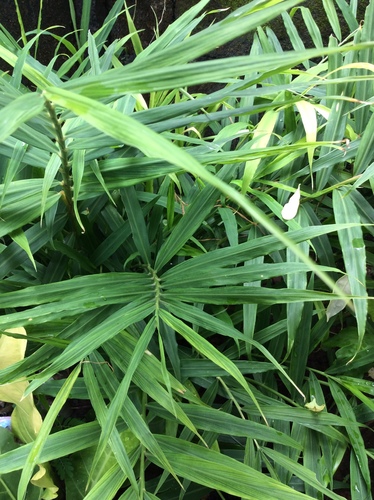
Verbatim
e0“there is no interaction between application of the three types of organic manure (chicken, goat, and cow) with the level of arbuscular mycorrhizal fungi dosage on the growth and yield of the young ginger.”
Claim · model-written summary
Chicken manure improved growth and yield to the same degree as the other manures.
- Taxon
- gingerZingiber officinalee0
- Treatment
- Chicken manuree0
- Outcome
- growth and yield of the young gingere0
- Direction
- improvinge0
- Comparator
- goat manure, and cow manuree0
Organisms pictured · Representative pictures of the matched species, not figures from the paper.
Verbatim
e0“Chicken manure, goat manure, and cow manure having the same effect in improving the growth and yield of the young ginger, on the variables of plant height, number of leaves, number of tillers, plant fresh weight, plant dry weight, and the fresh weight of ginger rhizome.”
Claim · model-written summary
Goat manure improved growth and yield to the same degree as the other manures.
- Taxon
- gingerZingiber officinalee0
- Treatment
- goat manuree0
- Outcome
- growth and yield of the young gingere0
- Direction
- improvinge0
- Comparator
- Chicken manuree0
Organisms pictured · Representative pictures of the matched species, not figures from the paper.
Verbatim
e0“Chicken manure, goat manure, and cow manure having the same effect in improving the growth and yield of the young ginger, on the variables of plant height, number of leaves, number of tillers, plant fresh weight, plant dry weight, and the fresh weight of ginger rhizome.”
Claim · model-written summary
Cow manure improved growth and yield to the same degree as the other manures.
- Taxon
- gingerZingiber officinalee0
- Treatment
- cow manuree0
- Outcome
- growth and yield of the young gingere0
- Direction
- improvinge0
- Comparator
- Chicken manuree0
Organisms pictured · Representative pictures of the matched species, not figures from the paper.
Verbatim
e0“Chicken manure, goat manure, and cow manure having the same effect in improving the growth and yield of the young ginger, on the variables of plant height, number of leaves, number of tillers, plant fresh weight, plant dry weight, and the fresh weight of ginger rhizome.”
Claim · model-written summary
AMF at the tested doses increased height, leaf number and tiller number.
- Taxon
- gingerZingiber officinalee0
- Treatment
- Mycorrhizal treatment at various doses (5, 10, and 15 g/plant)e0
- Outcome
- plant height, number of leaves, number of tillerse0
- Direction
- increasee0
Not reportedInteractorComparator
Organisms pictured · Representative pictures of the matched species, not figures from the paper.
Verbatim
e0“Mycorrhizal treatment at various doses (5, 10, and 15 g/plant) can increase the plant height, number of leaves, number of tillers, and fresh weight of ginger rhizome, but did not affect the fresh weight and dry weight of plants.”
Claim · model-written summary
AMF at the tested doses increased fresh ginger rhizome weight.
- Taxon
- gingerZingiber officinalee0
- Treatment
- Mycorrhizal treatment at various doses (5, 10, and 15 g/plant)e0
- Outcome
- fresh weight of ginger rhizomee0
- Direction
- increasee0
Not reportedComparator
Organisms pictured · Representative pictures of the matched species, not figures from the paper.
Verbatim
e0“Mycorrhizal treatment at various doses (5, 10, and 15 g/plant) can increase the plant height, number of leaves, number of tillers, and fresh weight of ginger rhizome, but did not affect the fresh weight and dry weight of plants.”
Claim · model-written summary
AMF at the tested doses did not affect plant fresh or dry weight.
- Taxon
- gingerZingiber officinalee0
- Treatment
- Mycorrhizal treatment at various doses (5, 10, and 15 g/plant)e0
- Outcome
- fresh weight and dry weight of plantse0
- Direction
- did not affecte0
Not reportedComparator
Organisms pictured · Representative pictures of the matched species, not figures from the paper.
Verbatim
e0“Mycorrhizal treatment at various doses (5, 10, and 15 g/plant) can increase the plant height, number of leaves, number of tillers, and fresh weight of ginger rhizome, but did not affect the fresh weight and dry weight of plants.”
The same questions in other papers
fertilization · yield · Zingiber officinale (ginger)Positive and negative results
20 papers in the same direction as this paper · 1 in the opposite direction · 1 reporting no difference from an alternative
- positive
- no effect
- no effect
19 papers more in this group
See all 23 papers →mycorrhiza · yield · Zingiber officinale (ginger)Results agree
3 papers in the same direction as this paper
- positive
- positive
- positive
mycorrhiza · growth · Zingiber officinale (ginger)Results agree
3 papers in the same direction as this paper
- positive
- positive
- positive
Claims are grouped by organism, treatment and what was measured or targeted. A paper counts as positive when any of its claims in the group is positive.