Abstract
The effect of Pseudomonas koreensis IGPEB 17 and arbuscular mycorrhizal fungi (AMF) on plant growth and physiological properties of ginger (Zingiber officinale) in net house conditions was investigated. The experiment included four treatments including P. koreensis IGPEB 17, arbuscular mycorrhizal fungi (AMF) biofertilizer and combination of P. koreensis IGPEB 17 and AMF treatment. The result indicated that P. koreensis IGPEB 17 had positive effects on plant growth-promoting traits such as P-solubilization, protease, amylase, IAA, and ACC deaminase production. Moreover, P. koreensis IGPEB 17 showed ability in producing lipase and cellulase. The P. koreensis IGPEB 17 significantly increased plant height (57.6%), the leaf number (28.1%), leaf length (23.3%) and leaf width (35.7%) compared to control treatment. However, the combination of P. koreensis IGPEB 17 and AMF treatment significantly increased the height of plant, the number of leaf, the length of leaf and the width of leaf by 68.4%, 42.3%, 30.2%, and 54.7%, respectively compared to control treatment. Furthermore, dual inoculation of P. koreensis IGPEB 17 and AMF significantly enhanced the chlorophyll a (76.5%), chlorophyll b (71.2%), total chlorophyll (73.3%), and carotenoid content (74.7%), respectively rather than control. In conclusion, results showed that dual inoculation of P. koreensis IGPEB 17 strain and AMF increased plant growth and physiological traits of ginger plants compared to inoculation with P. koreensis IGPEB 17 and AMF alone.
Abstract from the paper’s OpenAlex record, shown for indexing and research. Copyright remains with the authors or the publisher. Read at the source ↗
The text the model read, with the source record’s inline markup (italics, sub- and superscripts) rendered and its character entities decoded; quote offsets refer to the raw text.
Claims 19
Claim · model-written summary
P. koreensis IGPEB 17 showed P-solubilization.
- Taxon
- ginger (Zingiber officinale)
 Zingiber officinalet0
- Interactor
- P. koreensis IGPEB 17Pseudomonas koreensise0symbiont
- Outcome
- P-solubilizatione0
Organisms pictured · Representative pictures of the matched species, not figures from the paper.
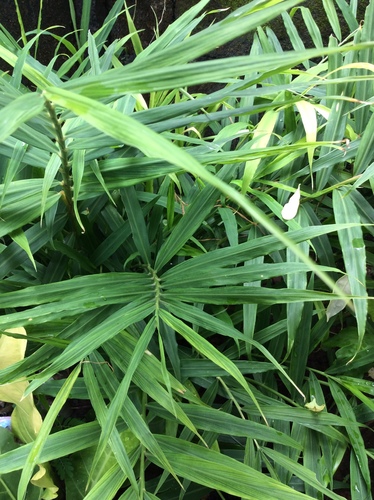
Verbatim
e0“The result indicated that P. koreensis IGPEB 17 had positive effects on plant growth-promoting traits such as P-solubilization, protease, amylase, IAA, and ACC deaminase production.”
t0“ginger (Zingiber officinale)”
Claim · model-written summary
P. koreensis IGPEB 17 showed protease.
- Taxon
- ginger (Zingiber officinale)Zingiber officinalet0
- Interactor
- P. koreensis IGPEB 17Pseudomonas koreensise0symbiont
- Outcome
- proteasee0
Organisms pictured · Representative pictures of the matched species, not figures from the paper.
Verbatim
e0“The result indicated that P. koreensis IGPEB 17 had positive effects on plant growth-promoting traits such as P-solubilization, protease, amylase, IAA, and ACC deaminase production.”
t0“ginger (Zingiber officinale)”
Claim · model-written summary
P. koreensis IGPEB 17 showed amylase.
- Taxon
- ginger (Zingiber officinale)Zingiber officinalet0
- Interactor
- P. koreensis IGPEB 17Pseudomonas koreensise0symbiont
- Outcome
- amylasee0
Organisms pictured · Representative pictures of the matched species, not figures from the paper.
Verbatim
e0“The result indicated that P. koreensis IGPEB 17 had positive effects on plant growth-promoting traits such as P-solubilization, protease, amylase, IAA, and ACC deaminase production.”
t0“ginger (Zingiber officinale)”
Claim · model-written summary
P. koreensis IGPEB 17 showed IAA.
- Taxon
- ginger (Zingiber officinale)Zingiber officinalet0
- Interactor
- P. koreensis IGPEB 17Pseudomonas koreensise0symbiont
- Outcome
- IAAe0
Organisms pictured · Representative pictures of the matched species, not figures from the paper.
Verbatim
e0“The result indicated that P. koreensis IGPEB 17 had positive effects on plant growth-promoting traits such as P-solubilization, protease, amylase, IAA, and ACC deaminase production.”
t0“ginger (Zingiber officinale)”
Claim · model-written summary
P. koreensis IGPEB 17 showed ACC deaminase production.
- Taxon
- ginger (Zingiber officinale)Zingiber officinalet0
- Interactor
- P. koreensis IGPEB 17Pseudomonas koreensise0symbiont
- Outcome
- ACC deaminase productione0
Organisms pictured · Representative pictures of the matched species, not figures from the paper.
Verbatim
e0“The result indicated that P. koreensis IGPEB 17 had positive effects on plant growth-promoting traits such as P-solubilization, protease, amylase, IAA, and ACC deaminase production.”
t0“ginger (Zingiber officinale)”
Claim · model-written summary
P. koreensis IGPEB 17 produced lipase and cellulase.
- Taxon
- ginger (Zingiber officinale)Zingiber officinalet0
- Interactor
- P. koreensis IGPEB 17Pseudomonas koreensise0symbiont
- Outcome
- lipase and cellulasee0
Organisms pictured · Representative pictures of the matched species, not figures from the paper.
Verbatim
e0“Moreover, P. koreensis IGPEB 17 showed ability in producing lipase and cellulase.”
t0“ginger (Zingiber officinale)”
Claim · model-written summary
P. koreensis increased plant height by 57.6% versus control.
- Taxon
- ginger (Zingiber officinale)Zingiber officinalet0
- Treatment
- P. koreensis IGPEB 17e0
- Interactor
- P. koreensis IGPEB 17Pseudomonas koreensise0symbiont
- Outcome
- plant heighte0
- Direction
- increasede0
- Value
- 57.6%e0
- Comparator
- control treatmente0
Organisms pictured · Representative pictures of the matched species, not figures from the paper.
Verbatim
e0“The P. koreensis IGPEB 17 significantly increased plant height (57.6%), the leaf number (28.1%), leaf length (23.3%) and leaf width (35.7%) compared to control treatment.”
t0“ginger (Zingiber officinale)”
Claim · model-written summary
P. koreensis increased leaf number by 28.1% versus control.
- Taxon
- ginger (Zingiber officinale)Zingiber officinalet0
- Treatment
- P. koreensis IGPEB 17e0
- Interactor
- P. koreensis IGPEB 17Pseudomonas koreensise0symbiont
- Outcome
- leaf numbere0
- Direction
- increasede0
- Value
- 28.1%e0
- Comparator
- control treatmente0
Organisms pictured · Representative pictures of the matched species, not figures from the paper.
Verbatim
e0“The P. koreensis IGPEB 17 significantly increased plant height (57.6%), the leaf number (28.1%), leaf length (23.3%) and leaf width (35.7%) compared to control treatment.”
t0“ginger (Zingiber officinale)”
Claim · model-written summary
P. koreensis increased leaf length by 23.3% versus control.
- Taxon
- ginger (Zingiber officinale)Zingiber officinalet0
- Treatment
- P. koreensis IGPEB 17e0
- Interactor
- P. koreensis IGPEB 17Pseudomonas koreensise0symbiont
- Outcome
- leaf lengthe0
- Direction
- increasede0
- Value
- 23.3%e0
- Comparator
- control treatmente0
Organisms pictured · Representative pictures of the matched species, not figures from the paper.
Verbatim
e0“The P. koreensis IGPEB 17 significantly increased plant height (57.6%), the leaf number (28.1%), leaf length (23.3%) and leaf width (35.7%) compared to control treatment.”
t0“ginger (Zingiber officinale)”
Claim · model-written summary
P. koreensis increased leaf width by 35.7% versus control.
- Taxon
- ginger (Zingiber officinale)Zingiber officinalet0
- Treatment
- P. koreensis IGPEB 17e0
- Interactor
- P. koreensis IGPEB 17Pseudomonas koreensise0symbiont
- Outcome
- leaf widthe0
- Direction
- increasede0
- Value
- 35.7%e0
- Comparator
- control treatmente0
Organisms pictured · Representative pictures of the matched species, not figures from the paper.
Verbatim
e0“The P. koreensis IGPEB 17 significantly increased plant height (57.6%), the leaf number (28.1%), leaf length (23.3%) and leaf width (35.7%) compared to control treatment.”
t0“ginger (Zingiber officinale)”
Claim · model-written summary
Combined P. koreensis and AMF increased height of plant by 68.4% versus control.
- Taxon
- ginger (Zingiber officinale)Zingiber officinalet0
- Treatment
- combination of P. koreensis IGPEB 17 and AMF treatmente0
- Interactor
- P. koreensis IGPEB 17Pseudomonas koreensise0symbiont
- Second interactor
- AMFe0symbiont
- Outcome
- height of plante0
- Direction
- increasede0
- Value
- 68.4%e0
- Comparator
- control treatmente0
Organisms pictured · Representative pictures of the matched species, not figures from the paper.
Verbatim
e0“However, the combination of P. koreensis IGPEB 17 and AMF treatment significantly increased the height of plant, the number of leaf, the length of leaf and the width of leaf by 68.4%, 42.3%, 30.2%, and 54.7%, respectively compared to control treatment.”
t0“ginger (Zingiber officinale)”
Claim · model-written summary
Combined P. koreensis and AMF increased number of leaf by 42.3% versus control.
- Taxon
- ginger (Zingiber officinale)Zingiber officinalet0
- Treatment
- combination of P. koreensis IGPEB 17 and AMF treatmente0
- Interactor
- P. koreensis IGPEB 17Pseudomonas koreensise0symbiont
- Second interactor
- AMFe0symbiont
- Outcome
- number of leafe0
- Direction
- increasede0
- Value
- 42.3%e0
- Comparator
- control treatmente0
Organisms pictured · Representative pictures of the matched species, not figures from the paper.
Verbatim
e0“However, the combination of P. koreensis IGPEB 17 and AMF treatment significantly increased the height of plant, the number of leaf, the length of leaf and the width of leaf by 68.4%, 42.3%, 30.2%, and 54.7%, respectively compared to control treatment.”
t0“ginger (Zingiber officinale)”
Claim · model-written summary
Combined P. koreensis and AMF increased length of leaf by 30.2% versus control.
- Taxon
- ginger (Zingiber officinale)Zingiber officinalet0
- Treatment
- combination of P. koreensis IGPEB 17 and AMF treatmente0
- Interactor
- P. koreensis IGPEB 17Pseudomonas koreensise0symbiont
- Second interactor
- AMFe0symbiont
- Outcome
- length of leafe0
- Direction
- increasede0
- Value
- 30.2%e0
- Comparator
- control treatmente0
Organisms pictured · Representative pictures of the matched species, not figures from the paper.
Verbatim
e0“However, the combination of P. koreensis IGPEB 17 and AMF treatment significantly increased the height of plant, the number of leaf, the length of leaf and the width of leaf by 68.4%, 42.3%, 30.2%, and 54.7%, respectively compared to control treatment.”
t0“ginger (Zingiber officinale)”
Claim · model-written summary
Combined P. koreensis and AMF increased width of leaf by 54.7% versus control.
- Taxon
- ginger (Zingiber officinale)Zingiber officinalet0
- Treatment
- combination of P. koreensis IGPEB 17 and AMF treatmente0
- Interactor
- P. koreensis IGPEB 17Pseudomonas koreensise0symbiont
- Second interactor
- AMFe0symbiont
- Outcome
- width of leafe0
- Direction
- increasede0
- Value
- 54.7%e0
- Comparator
- control treatmente0
Organisms pictured · Representative pictures of the matched species, not figures from the paper.
Verbatim
e0“However, the combination of P. koreensis IGPEB 17 and AMF treatment significantly increased the height of plant, the number of leaf, the length of leaf and the width of leaf by 68.4%, 42.3%, 30.2%, and 54.7%, respectively compared to control treatment.”
t0“ginger (Zingiber officinale)”
Claim · model-written summary
Dual inoculation enhanced chlorophyll a by 76.5% versus control.
- Taxon
- ginger (Zingiber officinale)Zingiber officinalet0
- Treatment
- dual inoculation of P. koreensis IGPEB 17 and AMFe0
- Interactor
- P. koreensis IGPEB 17Pseudomonas koreensise0symbiont
- Second interactor
- AMFe0symbiont
- Outcome
- chlorophyll ae0
- Direction
- enhancede0
- Value
- 76.5%e0
- Comparator
- controle0
Organisms pictured · Representative pictures of the matched species, not figures from the paper.
Verbatim
e0“Furthermore, dual inoculation of P. koreensis IGPEB 17 and AMF significantly enhanced the chlorophyll a (76.5%), chlorophyll b (71.2%), total chlorophyll (73.3%), and carotenoid content (74.7%), respectively rather than control.”
t0“ginger (Zingiber officinale)”
Claim · model-written summary
Dual inoculation enhanced chlorophyll b by 71.2% versus control.
- Taxon
- ginger (Zingiber officinale)Zingiber officinalet0
- Treatment
- dual inoculation of P. koreensis IGPEB 17 and AMFe0
- Interactor
- P. koreensis IGPEB 17Pseudomonas koreensise0symbiont
- Second interactor
- AMFe0symbiont
- Outcome
- chlorophyll be0
- Direction
- enhancede0
- Value
- 71.2%e0
- Comparator
- controle0
Organisms pictured · Representative pictures of the matched species, not figures from the paper.
Verbatim
e0“Furthermore, dual inoculation of P. koreensis IGPEB 17 and AMF significantly enhanced the chlorophyll a (76.5%), chlorophyll b (71.2%), total chlorophyll (73.3%), and carotenoid content (74.7%), respectively rather than control.”
t0“ginger (Zingiber officinale)”
Claim · model-written summary
Dual inoculation enhanced total chlorophyll by 73.3% versus control.
- Taxon
- ginger (Zingiber officinale)Zingiber officinalet0
- Treatment
- dual inoculation of P. koreensis IGPEB 17 and AMFe0
- Interactor
- P. koreensis IGPEB 17Pseudomonas koreensise0symbiont
- Second interactor
- AMFe0symbiont
- Outcome
- total chlorophylle0
- Direction
- enhancede0
- Value
- 73.3%e0
- Comparator
- controle0
Organisms pictured · Representative pictures of the matched species, not figures from the paper.
Verbatim
e0“Furthermore, dual inoculation of P. koreensis IGPEB 17 and AMF significantly enhanced the chlorophyll a (76.5%), chlorophyll b (71.2%), total chlorophyll (73.3%), and carotenoid content (74.7%), respectively rather than control.”
t0“ginger (Zingiber officinale)”
Claim · model-written summary
Dual inoculation enhanced carotenoid content by 74.7% versus control.
- Taxon
- ginger (Zingiber officinale)Zingiber officinalet0
- Treatment
- dual inoculation of P. koreensis IGPEB 17 and AMFe0
- Interactor
- P. koreensis IGPEB 17Pseudomonas koreensise0symbiont
- Second interactor
- AMFe0symbiont
- Outcome
- carotenoid contente0
- Direction
- enhancede0
- Value
- 74.7%e0
- Comparator
- controle0
Organisms pictured · Representative pictures of the matched species, not figures from the paper.
Verbatim
e0“Furthermore, dual inoculation of P. koreensis IGPEB 17 and AMF significantly enhanced the chlorophyll a (76.5%), chlorophyll b (71.2%), total chlorophyll (73.3%), and carotenoid content (74.7%), respectively rather than control.”
t0“ginger (Zingiber officinale)”
Claim · model-written summary
Dual inoculation improved ginger growth and physiology over either inoculant alone.
- Taxon
- ginger plantsZingiber officinalee0
- Treatment
- dual inoculation of P. koreensis IGPEB 17 strain and AMFe0
- Interactor
- P. koreensis IGPEB 17Pseudomonas koreensise0symbiont
- Second interactor
- AMFe0symbiont
- Outcome
- plant growth and physiological traitse0
- Direction
- increasede0
- Comparator
- inoculation with P. koreensis IGPEB 17 and AMF alonee0
Organisms pictured · Representative pictures of the matched species, not figures from the paper.
Verbatim
e0“In conclusion, results showed that dual inoculation of P. koreensis IGPEB 17 strain and AMF increased plant growth and physiological traits of ginger plants compared to inoculation with P. koreensis IGPEB 17 and AMF alone.”
The same questions in other papers
inoculation · physiology: pigments · Zingiber officinale (ginger)Positive and negative results
1 paper in the same direction as this paper · 2 in the opposite direction
- positive
- negative
- negative
inoculation · growth · Zingiber officinale (ginger)Positive and negative results
3 papers in the same direction as this paper · 1 in the opposite direction
- positive
- no effect
- positive
1 paper more in this group
See all 5 papers →mycorrhiza · growth · Zingiber officinale (ginger)Results agree
3 papers in the same direction as this paper
- positive
- positive
- positive
Claims are grouped by organism, treatment and what was measured or targeted. A paper counts as positive when any of its claims in the group is positive.