Abstract
Isolation trials from the roots of wilted sweet pepper plants yielded Alternaria spp., Fusarium oxysporum, Pythium spp., Rhizontonia solani , Sclerotium rolfsii and Trichoderma spp. The isolates of the fungus F. oxysporum were selected to test their pathogenicity and Kalubia isolate was the most virulent one. The fungus was virulent to sweet pepper and low infection was found in case of the other five tested plants. Therefore, the fungus F. oxysporum named Fusarium oxysporum f.sp. capsici. All the five Bacillus strains, i.e. Bacillus chitinosporus ,B. coagulans , B. humilus ,B.subtilis and B. thuringiensis caused significant reduction to the radial growth of F.o.f.sp.capsici compared with control treatment. In addition, the growth of the tested pathogen was completely inhibited by B.subtilis and B.thuringiensis at the concentration of 60%. Furthermore, B.thuringiensis was the most efficient bioagent in this regard followed by B.subtilis then B.pumilus. Adding the three tested bioagents ,i.e.B.pumilus .B.subtilis and B. Thuringiensis to soil infested with F.o.f.sp.capsici resulted in significant reduction to sweet pepper wilt with significant increase to the plant height as well as the number of pods and their weight / plant compared with control treatment. The symptoms of the disease were obvious both on the foliage growth and the xylem vesicles, but the severity of the disease was more higher on the xylem vesicles than on the foliage growth. In addition, plants grown in soil infested with Bacillus strains were of high values of plant height and fruit yield (number and weight / plant) than that grown in the control (uninfested soil). The total phenolic compounds were greatly increased in the bacterial treated plants as compared to untreated plants with the bioagents and that infested with the pathogen only. These results give a potential of these bacterial strains for use as plant protection agents against Fusarium wilt of sweet pepper. This work was performed to investigate the potential of some bacterial bioagents ,i.e. B. humilus , B.subtilis and B. thuringiensis on management of sweet pepper Fusarium wilt and the formation of phenolic compounds in the plants.
Abstract from the paper’s OpenAlex record, shown for indexing and research. Copyright remains with the authors or the publisher. Read at the source ↗
The text the model read, with the source record’s inline markup (italics, sub- and superscripts) rendered and its character entities decoded; quote offsets refer to the raw text.
Claims 12
Claim · model-written summary
Wilted pepper roots yielded several fungal taxa.
- Taxon
- sweet pepper
 Capsicum annuume0
- Interactor
- Fusarium oxysporum
 Fusarium oxysporume0pathogen
- Outcome
- wilted sweet pepper plantse0
Organisms pictured · Representative pictures of the matched species, not figures from the paper.


Verbatim
e0“Isolation trials from the roots of wilted sweet pepper plants yielded Alternaria spp., Fusarium oxysporum, Pythium spp., Rhizontonia solani , Sclerotium rolfsii and Trichoderma spp.”
Claim · model-written summary
The Kalubia Fusarium isolate was most virulent.
- Taxon
- sweet pepperCapsicum annuumt0
- Material
- Kalubia isolatee0
- Interactor
- F. oxysporumFusarium oxysporume0pathogen
- Outcome
- most virulent onee0
Organisms pictured · Representative pictures of the matched species, not figures from the paper.
Verbatim
e0“The isolates of the fungus F. oxysporum were selected to test their pathogenicity and Kalubia isolate was the most virulent one”
t0“Sweet Pepper”
Claim · model-written summary
The fungus was virulent on sweet pepper but had low infection on five other plants.
- Taxon
- sweet pepperCapsicum annuume0
- Interactor
- F. oxysporumFusarium oxysporume1pathogene0
- Outcome
- virulent to sweet peppere0
Organisms pictured · Representative pictures of the matched species, not figures from the paper.
Verbatim
e0“The fungus was virulent to sweet pepper and low infection was found in case of the other five tested plants”
e1“The isolates of the fungus F. oxysporum were selected to test their pathogenicity”
Claim · model-written summary
Five Bacillus strains significantly reduced pathogen radial growth.
- Taxon
- Sweet PepperCapsicum annuumt0
- Treatment
- Bacillus strainse0
- Interactor
- F.o.f.sp.capsicie0pathogen
- Second interactor
- Bacillus strainse0biocontrol_agent
- Outcome
- radial growth of F.o.f.sp.capsicie0
- Direction
- reductione0
- Comparator
- control treatmente0
Organisms pictured · Representative pictures of the matched species, not figures from the paper.
Verbatim
e0“All the five Bacillus strains, i.e. Bacillus chitinosporus ,B. coagulans , B. humilus ,B.subtilis and B. thuringiensis caused significant reduction to the radial growth of F.o.f.sp.capsici compared with control treatment”
t0“Sweet Pepper”
Claim · model-written summary
B. subtilis completely inhibited pathogen growth at 60%.
- Taxon
- Sweet PepperCapsicum annuumt0
- Treatment
- B.subtilise0
- Interactor
- tested pathogene0pathogen
- Second interactor
- B.subtilis
 Bacillus subtilise0biocontrol_agent
- Outcome
- growth of the tested pathogene0
- Direction
- inhibitede0
- Value
- 60%e0
Not reportedComparator
Organisms pictured · Representative pictures of the matched species, not figures from the paper.

Verbatim
e0“the growth of the tested pathogen was completely inhibited by B.subtilis and B.thuringiensis at the concentration of 60%”
t0“Sweet Pepper”
Claim · model-written summary
B. thuringiensis completely inhibited pathogen growth at 60%.
- Taxon
- Sweet PepperCapsicum annuumt0
- Treatment
- B.thuringiensise0
- Interactor
- tested pathogene0pathogen
- Second interactor
- B.thuringiensis
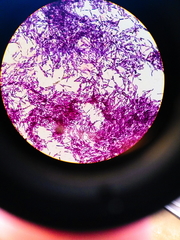 Bacillus thuringiensise0biocontrol_agent
- Outcome
- growth of the tested pathogene0
- Direction
- inhibitede0
- Value
- 60%e0
Not reportedComparator
Organisms pictured · Representative pictures of the matched species, not figures from the paper.
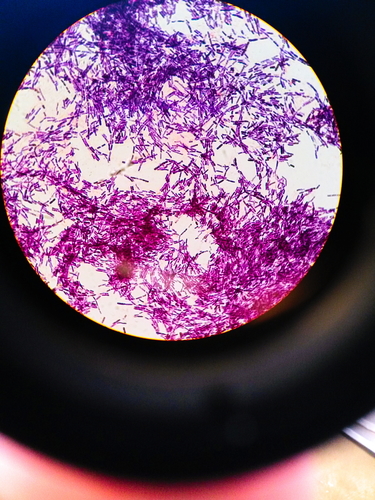
Verbatim
e0“the growth of the tested pathogen was completely inhibited by B.subtilis and B.thuringiensis at the concentration of 60%”
t0“Sweet Pepper”
Claim · model-written summary
B. thuringiensis was the most efficient bioagent.
- Taxon
- Sweet PepperCapsicum annuumt0
- Interactor
- B.thuringiensisBacillus thuringiensise0biocontrol_agent
- Outcome
- most efficient bioagente0
Organisms pictured · Representative pictures of the matched species, not figures from the paper.
Verbatim
e0“B.thuringiensis was the most efficient bioagent in this regard followed by B.subtilis then B.pumilus”
t0“Sweet Pepper”
Claim · model-written summary
The three Bacillus bioagents significantly reduced pepper wilt.
- Taxon
- sweet pepperCapsicum annuume0
- Treatment
- three tested bioagentse0
- Interactor
- F.o.f.sp.capsicie0pathogen
- Second interactor
- B.pumilusBacillus pumiluse0biocontrol_agent
- Outcome
- sweet pepper wilte0
- Direction
- reductione0
- Comparator
- control treatmente0
Organisms pictured · Representative pictures of the matched species, not figures from the paper.
Verbatim
e0“Adding the three tested bioagents ,i.e.B.pumilus .B.subtilis and B. Thuringiensis to soil infested with F.o.f.sp.capsici resulted in significant reduction to sweet pepper wilt with significant increase to the plant height as well as the number of pods and their weight / plant compared with control treatment”
Claim · model-written summary
The bioagents significantly increased pepper plant height and pod number and weight.
- Taxon
- Sweet PepperCapsicum annuumt0
- Treatment
- three tested bioagentse1
- Outcome
- plant height as well as the number of podse0
- Direction
- increasee0
- Comparator
- control treatmente0
Organisms pictured · Representative pictures of the matched species, not figures from the paper.
Verbatim
e0“significant increase to the plant height as well as the number of pods and their weight / plant compared with control treatment”
t0“Sweet Pepper”
e1“Adding the three tested bioagents ,i.e.B.pumilus .B.subtilis and B. Thuringiensis”
Claim · model-written summary
Disease severity was higher in xylem vessels than foliage.
- Taxon
- Sweet PepperCapsicum annuumt0
- Organ / stage
- xylem vesiclese0
- Outcome
- severity of the diseasee0
- Direction
- highere0
- Comparator
- foliage growthe0
Organisms pictured · Representative pictures of the matched species, not figures from the paper.
Verbatim
e0“the severity of the disease was more higher on the xylem vesicles than on the foliage growth”
t0“Sweet Pepper”
Claim · model-written summary
Bacillus treated plants had higher height and fruit yield than controls.
- Taxon
- Sweet PepperCapsicum annuumt0
- Treatment
- Bacillus strainse0
- Interactor
- Bacillus strainse0biocontrol_agent
- Outcome
- plant height and fruit yielde0
- Direction
- highe0
- Comparator
- control (uninfested soil)e0
Organisms pictured · Representative pictures of the matched species, not figures from the paper.
Verbatim
e0“plants grown in soil infested with Bacillus strains were of high values of plant height and fruit yield (number and weight / plant) than that grown in the control (uninfested soil)”
t0“Sweet Pepper”
Claim · model-written summary
Bacterial treatment greatly increased phenolics versus untreated and pathogen only plants.
- Taxon
- Sweet PepperCapsicum annuumt0
- Treatment
- bacterial treated plantse0
- Outcome
- total phenolic compoundse0
- Direction
- increasede0
- Comparator
- untreated plantse0
Organisms pictured · Representative pictures of the matched species, not figures from the paper.
Verbatim
e0“The total phenolic compounds were greatly increased in the bacterial treated plants as compared to untreated plants with the bioagents and that infested with the pathogen only”
t0“Sweet Pepper”
The same questions in other papers
Bacillus subtilis · growth · Capsicum annuum (sweet pepper)Positive and negative results
5 papers in the same direction as this paper · 2 in the opposite direction
- negative
- negative
- positive
4 papers more in this group
See all 8 papers →biocontrol · disease · Capsicum annuum (sweet pepper)Results agree
2 papers in the same direction as this paper
- positive
- positive
biocontrol · yield · Capsicum annuum (sweet pepper)Results agree
3 papers in the same direction as this paper
- positive
- positive
- positive
Claims are grouped by organism, treatment and what was measured or targeted. A paper counts as positive when any of its claims in the group is positive.