Abstract
A field experiment was conducted at village Binuria of the district Birbhum, West Bengal, India during rainy seasons (Kharif) of 2008 and 2009 to study the effect of crop establishment methods and weed management practices on weed growth and productivity of aromatic rice cv. ‘Basmati 370’. Three crop establishment methods viz. drum seeding (DS), system of rice intensification (SRI) and conventional transplanting (CTR) were assigned in main plots and six weed management practices, viz. weed-free check (WFC), unweeded check (WC), pyrazosulfuron-ethyl (PSE) at 20 g/ha, cono weeder (CW) twice at 15 and 30 DAS/DAT, combination of pyrazosulfuron-ethyl (PSE) at 20 g/ha and cono weeder twice (PSE + CW) and metsulfuron -methyl 10% + chlorimuron- ethyl 10% (Almix) at 4 g/ha in sub-plots, replicated thrice. Cynodon dactylon, Echinochloa colona and Oryza rufipogon under grasses, Hydrolea zeylanica, Ludwigia parviflora, Sphenoclea zeylanica, Monochoria vaginalis, Sagittaria sagitifolia and Marsilea quadrifolia among broad-leaved and Cyperus iria, C. difformis and Fimbristylis miliacea among the sedges were predominant weeds. Hydrolea zeylanica was the most pre-dominant species in SRI as well as conventional transplanting method while Fimbristylis miliacea in drum seeding. SRI recorded significantly lower number of total weeds at 60 DAT, the highest number of panicles (231/m 2 ), filled grains (98/panicle) and grain filling efficiency (84.79%) producing the highest grain yield (3.23 t/ha), 19.68 and 25.8% higher than that of CTR and DS methods respectively. Pyrazosulfuron-ethyl in combination with cono-weeder recorded the lowest weed population and dry weight at 40 DAS/DAT, higher grain yield (2982 kg/ha), 20.58% more over weedy check and was equivalent to sole application of pyrazosulfuronethyl and metsulfuron-methyl + chlorimuron-ethyl.
Abstract from the paper’s OpenAlex record, shown for indexing and research. Copyright remains with the authors or the publisher. Read at the source ↗
The text the model read, with the source record’s inline markup (italics, sub- and superscripts) rendered and its character entities decoded; quote offsets refer to the raw text.
Claims 9
Claim · model-written summary
Hydrolea zeylanica predominated under SRI and conventional transplanting.
- Taxon
- rice
 Oryza sativat0
- Interactor
- Hydrolea zeylanica
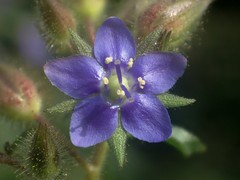 Hydrolea zeylanicae0weed
- Outcome
- Hydrolea zeylanica was the most pre-dominant speciese0
Organisms pictured · Representative pictures of the matched species, not figures from the paper.

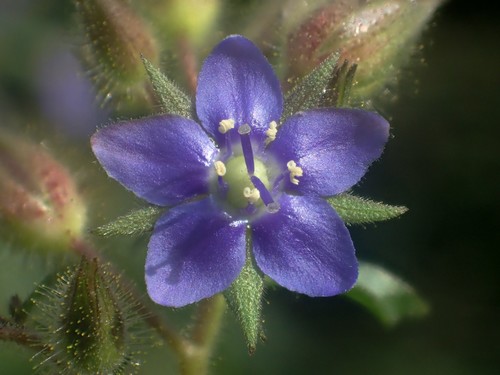
Verbatim
e0“Hydrolea zeylanica was the most pre-dominant species in SRI as well as conventional transplanting method”
t0“Basmati rice”
Claim · model-written summary
Fimbristylis miliacea predominated under drum seeding.
- Taxon
- riceOryza sativat0
- Interactor
- Fimbristylis miliacea
 Fimbristylis quinquangularise0weed
- Outcome
- Fimbristylis miliacea in drum seedinge0
Organisms pictured · Representative pictures of the matched species, not figures from the paper.

Verbatim
e0“Fimbristylis miliacea in drum seeding”
t0“Basmati rice”
Claim · model-written summary
SRI yielded fewer total weeds at 60 DAT.
- Taxon
- riceOryza sativat0
- Organ / stage
- 60 DATe0
- Treatment
- SRIe0
- Outcome
- number of total weedse0
- Direction
- lowere0
Not reportedComparator
Organisms pictured · Representative pictures of the matched species, not figures from the paper.
Verbatim
e0“SRI recorded significantly lower number of total weeds at 60 DAT”
t0“Basmati rice”
Claim · model-written summary
SRI produced the highest panicle count, 231/m 2.
Not reportedComparator
Organisms pictured · Representative pictures of the matched species, not figures from the paper.
Verbatim
e0“SRI recorded significantly lower number of total weeds at 60 DAT, the highest number of panicles (231/m 2 )”
t0“Basmati rice”
Claim · model-written summary
SRI produced the highest filled-grain count, 98/panicle.
Not reportedComparator
Organisms pictured · Representative pictures of the matched species, not figures from the paper.
Verbatim
e0“the highest number of panicles (231/m 2 ), filled grains (98/panicle)”
t0“Basmati rice”
e2“SRI recorded significantly lower number of total weeds at 60 DAT”
Claim · model-written summary
SRI had the highest grain filling efficiency at 84.79%.
- Taxon
- riceOryza sativat0
- Treatment
- SRIe2
- Outcome
- grain filling efficiencye0
- Direction
- higheste0
- Value
- 84.79%e0
Not reportedComparator
Organisms pictured · Representative pictures of the matched species, not figures from the paper.
Verbatim
e0“the highest number of panicles (231/m 2 ), filled grains (98/panicle) and grain filling efficiency (84.79%)”
t0“Basmati rice”
e2“SRI recorded significantly lower number of total weeds at 60 DAT”
Claim · model-written summary
SRI grain yield was 3.23 t/ha, exceeding CTR by 19.68% and DS by 25.8%.
- Taxon
- riceOryza sativat0
- Treatment
- SRIe2
- Outcome
- grain yielde0
- Direction
- highere0
- Value
- 3.23 t/hae0
- Qualifier
- 19.68 and 25.8%e0
- Comparator
- CTR and DS methodse0
Organisms pictured · Representative pictures of the matched species, not figures from the paper.
Verbatim
e0“producing the highest grain yield (3.23 t/ha), 19.68 and 25.8% higher than that of CTR and DS methods respectively”
t0“Basmati rice”
e2“SRI recorded significantly lower number of total weeds at 60 DAT”
Claim · model-written summary
Pyrazosulfuron-ethyl plus cono weeder gave the lowest weed population and dry weight.
- Taxon
- riceOryza sativat0
- Organ / stage
- 40 DAS/DATe0
- Treatment
- Pyrazosulfuron-ethyl in combination with cono-weedere0
- Outcome
- weed population and dry weighte0
- Direction
- loweste0
Not reportedComparator
Organisms pictured · Representative pictures of the matched species, not figures from the paper.
Verbatim
e0“Pyrazosulfuron-ethyl in combination with cono-weeder recorded the lowest weed population and dry weight at 40 DAS/DAT”
t0“Basmati rice”
Claim · model-written summary
The combination yielded 2982 kg/ha, 20.58% above weedy check and equivalent to two herbicide treatments.
- Taxon
- riceOryza sativat0
- Treatment
- Pyrazosulfuron-ethyl in combination with cono-weedere2
- Outcome
- grain yielde0
- Direction
- highere0
- Value
- 2982 kg/hae0
- Qualifier
- 20.58% moree0
- Comparator
- weedy checke0
Organisms pictured · Representative pictures of the matched species, not figures from the paper.
Verbatim
e0“higher grain yield (2982 kg/ha), 20.58% more over weedy check and was equivalent to sole application of pyrazosulfuronethyl and metsulfuron-methyl + chlorimuron-ethyl”
t0“Basmati rice”
e2“Pyrazosulfuron-ethyl in combination with cono-weeder recorded the lowest weed population and dry weight at 40 DAS/DAT”
The same questions in other papers
Pyrazosulfuron-ethyl · weed · Oryza sativa (rice)Positive and negative results
64 papers in the same direction as this paper · 1 in the opposite direction
- positive
- negative
- positive
62 papers more in this group
See all 66 papers →Pyrazosulfuron-ethyl · yield · Oryza sativa (rice)Positive and negative results
72 papers in the same direction as this paper · 3 in the opposite direction · 1 reporting no difference from an alternative
- positive
- negative
- negative
73 papers more in this group
See all 77 papers →irrigation · weed · Oryza sativa (rice)Positive and negative results
24 papers in the same direction as this paper · 7 in the opposite direction
- positive
- negative
- negative
28 papers more in this group
See all 32 papers →irrigation · yield · Oryza sativa (rice)Positive and negative results
905 papers in the same direction as this paper · 201 in the opposite direction · 64 reporting no difference from an alternative
- positive
- positive
- positive
1,167 papers more in this group
See all 1,171 papers →Claims are grouped by organism, treatment and what was measured or targeted. A paper counts as positive when any of its claims in the group is positive.