Abstract
A study has been conducted at tirupati, Andhra Pradesh to identify different biological agents in horticultural crops ecosystem. the exotic parasitoid Anagyrus sp., Diversinervus sp., and Microterys sp. of family Encyrtidae were found to be highly effective in suppressing citrus mealy bug, Planococcus citri (risso.). Pink hibiscus mealybug population in major grapevine growing areas was successfully suppressed by Anagyrus dactylopii, Leptopilinia sp. and Alamella flava besides major predator, Cacoxenus perspicax, Triommata coccidivora which provides spectacular control of heavy infestation of Pink hibiscus mealybug. the encyrtid parasitoid, Tetracnemoidea indica (Ayyar), was able to check the oriental mealybug, Planococcus lilacinus (ckll.) on acid lime and pomegranate. release of the coccinellid predator, C. montrouzieri, was found very effective in controlling the coccid, Rastrococcus iceryoides (Green) on mango. Spalgis epeus was found to be the predominant predator of the papaya mealybug but releases of the exotic parasitoid, Acerophagus papayae (noyes and Schauff), provided excellent control within 3–4 months of release.
Abstract from the paper’s OpenAlex record, shown for indexing and research. Copyright remains with the authors or the publisher. Read at the source ↗
The text the model read, with the source record’s inline markup (italics, sub- and superscripts) rendered and its character entities decoded; quote offsets refer to the raw text.
Claims 12
Claim · model-written summary
Anagyrus sp. parasitoid was highly effective in suppressing citrus mealybug Planococcus citri.
- Treatment
- exotic parasitoid Anagyrus sp.e1
- Interactor
- Planococcus citri
 Planococcus citrie1pest
- Outcome
- suppressing citrus mealy buge1
 Citrus
 Anagyrus
Not reportedComparatorDirection
Organisms pictured · Representative pictures of the matched species, not figures from the paper.


Verbatim
e1“the exotic parasitoid Anagyrus sp., Diversinervus sp., and Microterys sp. of family Encyrtidae were found to be highly effective in suppressing citrus mealy bug, Planococcus citri (risso.)”
Claim · model-written summary
Diversinervus sp. parasitoid was highly effective in suppressing citrus mealybug Planococcus citri.
- Treatment
- Diversinervus sp.e1
- Interactor
- Planococcus citriPlanococcus citrie1pest
- Second interactor
- Diversinervus sp.
 Diversinervuse1biocontrol_agent
- Outcome
- suppressing citrus mealy buge1
Not reportedComparatorDirection
Organisms pictured · Representative pictures of the matched species, not figures from the paper.

Verbatim
e1“the exotic parasitoid Anagyrus sp., Diversinervus sp., and Microterys sp. of family Encyrtidae were found to be highly effective in suppressing citrus mealy bug, Planococcus citri (risso.)”
Claim · model-written summary
Microterys sp. parasitoid was highly effective in suppressing citrus mealybug Planococcus citri.
- Treatment
- Microterys sp.e1
- Interactor
- Planococcus citriPlanococcus citrie1pest
- Second interactor
- Microterys sp.
 Microteryse1biocontrol_agent
- Outcome
- suppressing citrus mealy buge1
Not reportedComparatorDirection
Organisms pictured · Representative pictures of the matched species, not figures from the paper.

Verbatim
e1“the exotic parasitoid Anagyrus sp., Diversinervus sp., and Microterys sp. of family Encyrtidae were found to be highly effective in suppressing citrus mealy bug, Planococcus citri (risso.)”
Claim · model-written summary
Anagyrus dactylopii successfully suppressed the pink hibiscus mealybug population in grapevine growing areas.
- Treatment
- Anagyrus dactylopiie2
- Interactor
- Pink hibiscus mealybug
 Maconellicoccus hirsutuse2pest
- Second interactor
- Anagyrus dactylopiiAnagyrus dactylopiie2biocontrol_agent
- Outcome
- Pink hibiscus mealybug populatione2
- Direction
- suppressede2
 Vitis
Not reportedComparator
Organisms pictured · Representative pictures of the matched species, not figures from the paper.


Verbatim
e2“Pink hibiscus mealybug population in major grapevine growing areas was successfully suppressed by Anagyrus dactylopii, Leptopilinia sp. and Alamella flava besides major predator, Cacoxenus perspicax, Triommata coccidivora which provides spectacular control of heavy infestation of Pink hibiscus mealybug”
Claim · model-written summary
Leptopilinia sp. successfully suppressed the pink hibiscus mealybug population in grapevine growing areas.
- Treatment
- Leptopilinia sp.e2
- Interactor
- Pink hibiscus mealybugMaconellicoccus hirsutuse2pest
- Second interactor
- Leptopilinia sp.e2biocontrol_agent
- Outcome
- Pink hibiscus mealybug populatione2
- Direction
- suppressede2
Not reportedComparator
Organisms pictured · Representative pictures of the matched species, not figures from the paper.
Verbatim
e2“Pink hibiscus mealybug population in major grapevine growing areas was successfully suppressed by Anagyrus dactylopii, Leptopilinia sp. and Alamella flava besides major predator, Cacoxenus perspicax, Triommata coccidivora which provides spectacular control of heavy infestation of Pink hibiscus mealybug”
Claim · model-written summary
Alamella flava successfully suppressed the pink hibiscus mealybug population in grapevine growing areas.
- Treatment
- Alamella flavae2
- Interactor
- Pink hibiscus mealybugMaconellicoccus hirsutuse2pest
- Second interactor
- Alamella flavae2biocontrol_agent
- Outcome
- Pink hibiscus mealybug populatione2
- Direction
- suppressede2
Not reportedComparator
Organisms pictured · Representative pictures of the matched species, not figures from the paper.
Verbatim
e2“Pink hibiscus mealybug population in major grapevine growing areas was successfully suppressed by Anagyrus dactylopii, Leptopilinia sp. and Alamella flava besides major predator, Cacoxenus perspicax, Triommata coccidivora which provides spectacular control of heavy infestation of Pink hibiscus mealybug”
Claim · model-written summary
Predator Cacoxenus perspicax provided spectacular control of heavy infestation of the pink hibiscus mealybug.
- Treatment
- Cacoxenus perspicaxe2
- Interactor
- Pink hibiscus mealybugMaconellicoccus hirsutuse2pest
- Second interactor
- Cacoxenus perspicaxCacoxenus perspicaxe2biocontrol_agent
- Outcome
- spectacular control of heavy infestatione2
Not reportedComparatorDirection
Organisms pictured · Representative pictures of the matched species, not figures from the paper.
Verbatim
e2“Pink hibiscus mealybug population in major grapevine growing areas was successfully suppressed by Anagyrus dactylopii, Leptopilinia sp. and Alamella flava besides major predator, Cacoxenus perspicax, Triommata coccidivora which provides spectacular control of heavy infestation of Pink hibiscus mealybug”
Claim · model-written summary
Predator Triommata coccidivora provided spectacular control of heavy infestation of the pink hibiscus mealybug.
- Treatment
- Triommata coccidivorae2
- Interactor
- Pink hibiscus mealybugMaconellicoccus hirsutuse2pest
- Second interactor
- Triommata coccidivorae2biocontrol_agent
- Outcome
- spectacular control of heavy infestatione2
Not reportedComparatorDirection
Organisms pictured · Representative pictures of the matched species, not figures from the paper.
Verbatim
e2“Pink hibiscus mealybug population in major grapevine growing areas was successfully suppressed by Anagyrus dactylopii, Leptopilinia sp. and Alamella flava besides major predator, Cacoxenus perspicax, Triommata coccidivora which provides spectacular control of heavy infestation of Pink hibiscus mealybug”
Claim · model-written summary
Encyrtid parasitoid Tetracnemoidea indica was able to check the oriental mealybug Planococcus lilacinus on acid lime.
- Taxon
- acid limee3
- Treatment
- Tetracnemoidea indicae3
- Interactor
- Planococcus lilacinus
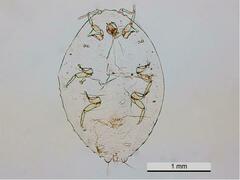 Planococcus lilacinuse3pest
- Second interactor
- Tetracnemoidea indicae3biocontrol_agent
- Outcome
- check the oriental mealybuge3
- Qualifier
- pomegranatee3
Not reportedComparatorDirection
Organisms pictured · Representative pictures of the matched species, not figures from the paper.
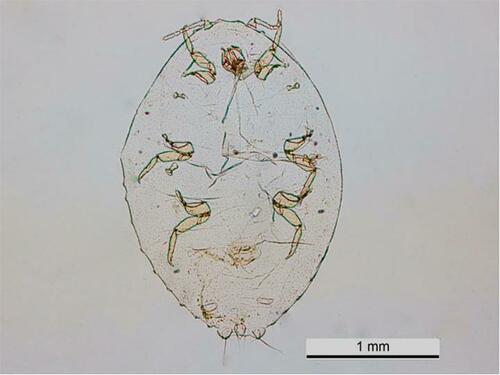
Verbatim
e3“the encyrtid parasitoid, Tetracnemoidea indica (Ayyar), was able to check the oriental mealybug, Planococcus lilacinus (ckll.) on acid lime and pomegranate”
Claim · model-written summary
Release of the coccinellid predator Cryptolaemus montrouzieri was very effective in controlling the coccid Rastrococcus iceryoides on mango.
- Taxon
- mango
 Mangifera indicae4
- Treatment
- release of the coccinellid predator, C. montrouzierie4
- Interactor
- Rastrococcus iceryoidesRastrococcus iceryoidese4pest
- Second interactor
- C. montrouzierie4biocontrol_agent
- Outcome
- controlling the coccid, Rastrococcus iceryoidese4
Not reportedComparatorDirection
Organisms pictured · Representative pictures of the matched species, not figures from the paper.

Verbatim
e4“release of the coccinellid predator, C. montrouzieri, was found very effective in controlling the coccid, Rastrococcus iceryoides (Green) on mango”
Claim · model-written summary
Spalgis epeus was the predominant predator of the papaya mealybug.
- Taxon
- papaya
 Carica papayae5
- Interactor
- Spalgis epeus
 Spalgis epiuse5biocontrol_agent
- Second interactor
- papaya mealybuge5pest
- Outcome
- predominant predatore5
Organisms pictured · Representative pictures of the matched species, not figures from the paper.


Verbatim
e5“Spalgis epeus was found to be the predominant predator of the papaya mealybug but releases of the exotic parasitoid, Acerophagus papayae (noyes and Schauff), provided excellent control within 3–4 months of release”
Claim · model-written summary
Release of the exotic parasitoid Acerophagus papayae provided excellent control of the papaya mealybug within 3–4 months of release.
- Taxon
- papayaCarica papayae5
- Treatment
- releases of the exotic parasitoid, Acerophagus papayae (noyes and Schauff)e5
- Interactor
- papaya mealybuge5pest
- Second interactor
- Acerophagus papayaeAcerophagus papayaee5biocontrol_agent
- Outcome
- provided excellent controle5
- Qualifier
- within 3–4 months of releasee5
Not reportedComparatorDirection
Organisms pictured · Representative pictures of the matched species, not figures from the paper.
Verbatim
e5“Spalgis epeus was found to be the predominant predator of the papaya mealybug but releases of the exotic parasitoid, Acerophagus papayae (noyes and Schauff), provided excellent control within 3–4 months of release”
The same questions in other papers
biocontrol · Planococcus citri · CitrusResults agree
1 paper in the same direction as this paper
- positive
Claims are grouped by organism, treatment and what was measured or targeted. A paper counts as positive when any of its claims in the group is positive.