Abstract
This study investigated the impact of a neonicotinoid seed-applied insecticide (Poncho Beta) and two plant densities (86,487 and 61,776 plants per hectare) on the sugarbeet root aphid (Pemphigus betae Doane), beneficial epigeal arthropods, and selected crop yield parameters in sugarbeet (Beta vulgaris L. var. vulgaris). Ground beetles and centipedes were the most commonly collected taxa during 2012 and 2013, respectively. Centipede, spider, and rove beetle activity densities were not affected by the seed-applied insecticide, whereas plant density had a marginal effect on centipede activity density during 2012. Ground beetle species richness, diversity, and evenness were also not impacted by the seed treatments. However, during 2013, ground beetle activity density was significantly higher in plots planted with untreated sugarbeet seeds due to the abundance of Bembidion quadrimaculatum oppositum Say. Sugarbeet root aphid populations were significantly higher in the untreated plots during both years. In 2012, sugarbeet tonnage and sugar yield were higher under the low plant density treatment, while higher sugar content was recorded from the seed-applied insecticide plots (2013). Seed-applied neonicotinoids and plant density had little impact on beneficial epigeal arthropod activity density. Seed treatment did result in decreased root aphid populations; however, these reductions were not sufficient to be considered as an adequate control. This limited aphid control likely contributed to inconsistent effects on yield parameters.
Abstract from the paper’s OpenAlex record; open copy licensed cc-by-nc. Read at the source ↗
The text the model read, with the source record’s inline markup (italics, sub- and superscripts) rendered and its character entities decoded; quote offsets refer to the raw text.
Claims 11
Claim · model-written summary
Ground beetles and centipedes were the most commonly collected taxa in the sugarbeet plots during 2012 and 2013.
- Taxon
- sugarbeet (Beta vulgaris L. var. vulgaris)
 Beta vulgarise0
- Outcome
- most commonly collected taxae1
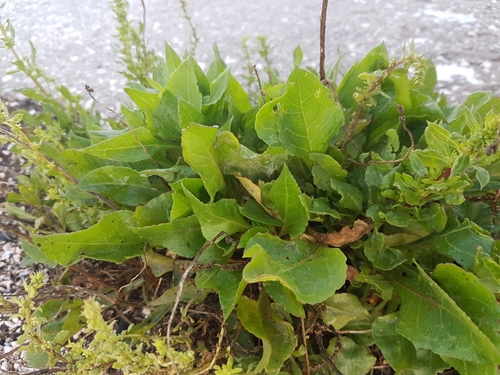
Organisms pictured · Representative pictures of the matched species, not figures from the paper.
Verbatim
e0“This study investigated the impact of a neonicotinoid seed-applied insecticide (Poncho Beta) and two plant densities (86,487 and 61,776 plants per hectare) on the sugarbeet root aphid (Pemphigus betae Doane), beneficial epigeal arthropods, and selected crop yield parameters in sugarbeet (Beta vulgaris L. var. vulgaris)”
e1“Ground beetles and centipedes were the most commonly collected taxa during 2012 and 2013, respectively”
Claim · model-written summary
Seed-applied insecticide did not affect centipede, spider and rove beetle activity densities.
- Taxon
- sugarbeet (Beta vulgaris L. var. vulgaris)Beta vulgarise0
- Treatment
- seed-applied insecticidee2
- Outcome
- Centipede, spider, and rove beetle activity densitiese2
- Direction
- not affectede2
Not reportedComparator
Organisms pictured · Representative pictures of the matched species, not figures from the paper.
Verbatim
e0“This study investigated the impact of a neonicotinoid seed-applied insecticide (Poncho Beta) and two plant densities (86,487 and 61,776 plants per hectare) on the sugarbeet root aphid (Pemphigus betae Doane), beneficial epigeal arthropods, and selected crop yield parameters in sugarbeet (Beta vulgaris L. var. vulgaris)”
e2“Centipede, spider, and rove beetle activity densities were not affected by the seed-applied insecticide, whereas plant density had a marginal effect on centipede activity density during 2012”
Claim · model-written summary
Plant density had a marginal effect on centipede activity density in 2012.
- Taxon
- sugarbeet (Beta vulgaris L. var. vulgaris)Beta vulgarise0
- Treatment
- plant densitye2
- Outcome
- centipede activity densitye2
- Qualifier
- during 2012e2
Not reportedComparatorDirection
Organisms pictured · Representative pictures of the matched species, not figures from the paper.
Verbatim
e0“This study investigated the impact of a neonicotinoid seed-applied insecticide (Poncho Beta) and two plant densities (86,487 and 61,776 plants per hectare) on the sugarbeet root aphid (Pemphigus betae Doane), beneficial epigeal arthropods, and selected crop yield parameters in sugarbeet (Beta vulgaris L. var. vulgaris)”
e2“Centipede, spider, and rove beetle activity densities were not affected by the seed-applied insecticide, whereas plant density had a marginal effect on centipede activity density during 2012”
Claim · model-written summary
Seed treatments did not affect ground beetle species richness, diversity or evenness.
- Taxon
- sugarbeet (Beta vulgaris L. var. vulgaris)Beta vulgarise0
- Treatment
- seed treatmentse3
- Outcome
- species richness, diversity, and evennesse3
- Direction
- not impactede3
Not reportedComparator
Organisms pictured · Representative pictures of the matched species, not figures from the paper.
Verbatim
e0“This study investigated the impact of a neonicotinoid seed-applied insecticide (Poncho Beta) and two plant densities (86,487 and 61,776 plants per hectare) on the sugarbeet root aphid (Pemphigus betae Doane), beneficial epigeal arthropods, and selected crop yield parameters in sugarbeet (Beta vulgaris L. var. vulgaris)”
e3“Ground beetle species richness, diversity, and evenness were also not impacted by the seed treatments”
Claim · model-written summary
In 2013, ground beetle activity density was significantly higher in plots planted with untreated sugarbeet seeds.
- Taxon
- sugarbeet (Beta vulgaris L. var. vulgaris)Beta vulgarise0
- Treatment
- untreated sugarbeet seedse4
- Outcome
- ground beetle activity densitye4
- Direction
- highere4
- Qualifier
- due to the abundance of Bembidion quadrimaculatum oppositum Saye4
Not reportedComparator
Organisms pictured · Representative pictures of the matched species, not figures from the paper.
Verbatim
e0“This study investigated the impact of a neonicotinoid seed-applied insecticide (Poncho Beta) and two plant densities (86,487 and 61,776 plants per hectare) on the sugarbeet root aphid (Pemphigus betae Doane), beneficial epigeal arthropods, and selected crop yield parameters in sugarbeet (Beta vulgaris L. var. vulgaris)”
e4“during 2013, ground beetle activity density was significantly higher in plots planted with untreated sugarbeet seeds due to the abundance of Bembidion quadrimaculatum oppositum Say”
Claim · model-written summary
Sugarbeet root aphid populations were significantly higher in untreated plots in both years.
- Taxon
- sugarbeet (Beta vulgaris L. var. vulgaris)Beta vulgarise0
- Treatment
- seed-applied insecticidee0
- Interactor
- Pemphigus betaePemphigus betaee0pest
- Outcome
- root aphid populationse5
- Direction
- highere5
- Comparator
- untreated plotse5
Organisms pictured · Representative pictures of the matched species, not figures from the paper.
Verbatim
e0“This study investigated the impact of a neonicotinoid seed-applied insecticide (Poncho Beta) and two plant densities (86,487 and 61,776 plants per hectare) on the sugarbeet root aphid (Pemphigus betae Doane), beneficial epigeal arthropods, and selected crop yield parameters in sugarbeet (Beta vulgaris L. var. vulgaris)”
e5“Sugarbeet root aphid populations were significantly higher in the untreated plots during both years”
Claim · model-written summary
Seed treatment decreased root aphid populations, but the reduction was not sufficient for adequate control.
- Taxon
- sugarbeet (Beta vulgaris L. var. vulgaris)Beta vulgarise0
- Treatment
- Seed treatmente6
- Interactor
- Pemphigus betaePemphigus betaee0pest
- Outcome
- root aphid populationse6
- Direction
- decreasede6
- Qualifier
- not sufficient to be considered as an adequate controle6
Not reportedComparator
Organisms pictured · Representative pictures of the matched species, not figures from the paper.
Verbatim
e0“This study investigated the impact of a neonicotinoid seed-applied insecticide (Poncho Beta) and two plant densities (86,487 and 61,776 plants per hectare) on the sugarbeet root aphid (Pemphigus betae Doane), beneficial epigeal arthropods, and selected crop yield parameters in sugarbeet (Beta vulgaris L. var. vulgaris)”
e6“Seed treatment did result in decreased root aphid populations; however, these reductions were not sufficient to be considered as an adequate control”
Claim · model-written summary
In 2012, sugarbeet tonnage and sugar yield were higher under the low plant density treatment.
- Taxon
- sugarbeet (Beta vulgaris L. var. vulgaris)Beta vulgarise0
- Treatment
- low plant density treatmente7
- Outcome
- sugarbeet tonnage and sugar yielde7
- Direction
- highere7
- Qualifier
- In 2012e7
Not reportedComparator
Organisms pictured · Representative pictures of the matched species, not figures from the paper.
Verbatim
e0“This study investigated the impact of a neonicotinoid seed-applied insecticide (Poncho Beta) and two plant densities (86,487 and 61,776 plants per hectare) on the sugarbeet root aphid (Pemphigus betae Doane), beneficial epigeal arthropods, and selected crop yield parameters in sugarbeet (Beta vulgaris L. var. vulgaris)”
e7“In 2012, sugarbeet tonnage and sugar yield were higher under the low plant density treatment”
Claim · model-written summary
Sugar content was higher in the seed-applied insecticide plots in 2013.
- Taxon
- sugarbeet (Beta vulgaris L. var. vulgaris)Beta vulgarise0
- Treatment
- seed-applied insecticide plotse2
- Outcome
- sugar contente2
- Direction
- highere2
- Qualifier
- 2013e2
Not reportedComparator
Organisms pictured · Representative pictures of the matched species, not figures from the paper.
Verbatim
e0“This study investigated the impact of a neonicotinoid seed-applied insecticide (Poncho Beta) and two plant densities (86,487 and 61,776 plants per hectare) on the sugarbeet root aphid (Pemphigus betae Doane), beneficial epigeal arthropods, and selected crop yield parameters in sugarbeet (Beta vulgaris L. var. vulgaris)”
e2“while higher sugar content was recorded from the seed-applied insecticide plots (2013)”
Claim · model-written summary
Seed-applied neonicotinoids and plant density had little impact on beneficial epigeal arthropod activity density.
- Taxon
- sugarbeet (Beta vulgaris L. var. vulgaris)Beta vulgarise0
- Treatment
- Seed-applied neonicotinoids and plant densitye2
- Outcome
- beneficial epigeal arthropod activity densitye2
- Direction
- little impacte2
Not reportedComparator
Organisms pictured · Representative pictures of the matched species, not figures from the paper.
Verbatim
e0“This study investigated the impact of a neonicotinoid seed-applied insecticide (Poncho Beta) and two plant densities (86,487 and 61,776 plants per hectare) on the sugarbeet root aphid (Pemphigus betae Doane), beneficial epigeal arthropods, and selected crop yield parameters in sugarbeet (Beta vulgaris L. var. vulgaris)”
e2“Seed-applied neonicotinoids and plant density had little impact on beneficial epigeal arthropod activity density”
Claim · model-written summary
Limited aphid control likely contributed to inconsistent effects of the treatments on yield parameters.
- Taxon
- sugarbeet (Beta vulgaris L. var. vulgaris)Beta vulgarise0
- Outcome
- yield parameterse2
- Qualifier
- limited aphid controle2
Organisms pictured · Representative pictures of the matched species, not figures from the paper.
Verbatim
e0“This study investigated the impact of a neonicotinoid seed-applied insecticide (Poncho Beta) and two plant densities (86,487 and 61,776 plants per hectare) on the sugarbeet root aphid (Pemphigus betae Doane), beneficial epigeal arthropods, and selected crop yield parameters in sugarbeet (Beta vulgaris L. var. vulgaris)”
e2“This limited aphid control likely contributed to inconsistent effects on yield parameters”
The same questions in other papers
density · quality: sugar starch · Beta vulgaris (beet)Positive and negative results
12 papers in the same direction as this paper · 4 in the opposite direction · 1 reporting no difference from an alternative
- no effect
- negative
- no effect
14 papers more in this group
See all 18 papers →insecticide · quality: sugar starch · Beta vulgaris (beet)Results agree
4 papers in the same direction as this paper
- positive
- positive
- positive
1 paper more in this group
See all 5 papers →Claims are grouped by organism, treatment and what was measured or targeted. A paper counts as positive when any of its claims in the group is positive.