Abstract
A pool-culture experiment was conducted to study the effects of potassium humate on the growth and active oxygen metabolism of ginger root. The results showed that applying potassium humate increased the root fresh mass and root vigor significantly, and promoted the root growth especially in later period. Potassium humate application obviously increased the activities of superoxide dismutase (SOD), peroxidase (POD) and catalase (CAT), decreased the content of MDA, and delayed the senescence of ginger root. After applying potassium humate, the soluble protein content in root was increased by 49.18%, 25.89% and 13.26%, and the yield was increased by 61.29%, 48.13% and 9.92%, respectively, compared with the treatments CK, same application rate of humic acid, and same application rate of potassium monoxide.
Abstract from the paper’s OpenAlex record, shown for indexing and research. Copyright remains with the authors or the publisher. Read at the source ↗
The text the model read, with the source record’s inline markup (italics, sub- and superscripts) rendered and its character entities decoded; quote offsets refer to the raw text.
Claims 11
Claim · model-written summary
Potassium humate significantly increased ginger root fresh mass and vigor.
- Taxon
- ginger
 Zingiber officinalet0
- Treatment
- potassium humatee0
- Outcome
- root fresh mass and root vigore0
- Direction
- increasede0
Not reportedComparator
Organisms pictured · Representative pictures of the matched species, not figures from the paper.
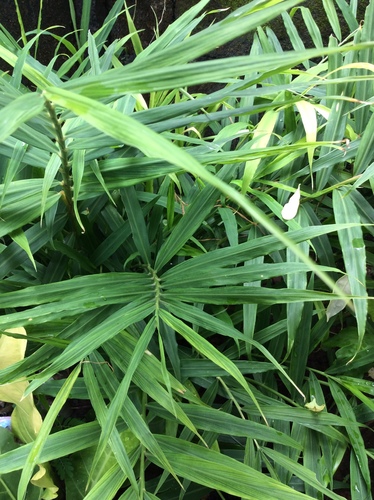
Verbatim
e0“applying potassium humate increased the root fresh mass and root vigor significantly”
t0“ginger”
Claim · model-written summary
Potassium humate promoted ginger root growth, especially later.
- Taxon
- gingerZingiber officinalet0
- Treatment
- potassium humatet0
- Outcome
- root growthe0
- Direction
- promotede0
- Qualifier
- especially in later periode0
Not reportedComparator
Organisms pictured · Representative pictures of the matched species, not figures from the paper.
Verbatim
e0“promoted the root growth especially in later period”
t0“potassium humate on ginger”
Claim · model-written summary
Potassium humate increased root superoxide dismutase, peroxidase and catalase activities.
- Taxon
- gingerZingiber officinalet0
- Treatment
- Potassium humatee0
- Outcome
- activities of superoxide dismutase (SOD), peroxidase (POD) and catalase (CAT)e0
- Direction
- increasede0
Not reportedComparator
Organisms pictured · Representative pictures of the matched species, not figures from the paper.
Verbatim
e0“Potassium humate application obviously increased the activities of superoxide dismutase (SOD), peroxidase (POD) and catalase (CAT)”
t0“ginger”
Claim · model-written summary
Potassium humate decreased ginger root MDA content.
- Taxon
- gingerZingiber officinalet0
- Treatment
- Potassium humatee0
- Outcome
- content of MDAe0
- Direction
- decreasede0
Not reportedComparator
Organisms pictured · Representative pictures of the matched species, not figures from the paper.
Verbatim
e0“Potassium humate application obviously increased the activities of superoxide dismutase (SOD), peroxidase (POD) and catalase (CAT), decreased the content of MDA”
t0“ginger”
Claim · model-written summary
Potassium humate delayed ginger root senescence.
- Taxon
- gingerZingiber officinalee0
- Treatment
- Potassium humatee0
- Outcome
- senescence of ginger roote0
- Direction
- delayede0
Not reportedComparator
Organisms pictured · Representative pictures of the matched species, not figures from the paper.
Verbatim
e0“Potassium humate application obviously increased the activities of superoxide dismutase (SOD), peroxidase (POD) and catalase (CAT), decreased the content of MDA, and delayed the senescence of ginger root”
Claim · model-written summary
Root soluble protein increased by 49.18% versus CK.
- Taxon
- gingerZingiber officinalet0
- Treatment
- potassium humatet0
- Outcome
- soluble protein content in roote0
- Direction
- increasede0
- Value
- 49.18%e0
- Comparator
- CKe0
Organisms pictured · Representative pictures of the matched species, not figures from the paper.
Verbatim
e0“the soluble protein content in root was increased by 49.18%, 25.89% and 13.26%, and the yield was increased by 61.29%, 48.13% and 9.92%, respectively, compared with the treatments CK, same application rate of humic acid, and same application rate of potassium monoxide”
t0“potassium humate on ginger”
Claim · model-written summary
Root soluble protein increased by 25.89% versus humic acid at the same rate.
- Taxon
- gingerZingiber officinalet0
- Treatment
- potassium humatet0
- Outcome
- soluble protein content in roote0
- Direction
- increasede0
- Value
- 25.89%e0
- Comparator
- same application rate of humic acide0
Organisms pictured · Representative pictures of the matched species, not figures from the paper.
Verbatim
e0“the soluble protein content in root was increased by 49.18%, 25.89% and 13.26%, and the yield was increased by 61.29%, 48.13% and 9.92%, respectively, compared with the treatments CK, same application rate of humic acid, and same application rate of potassium monoxide”
t0“potassium humate on ginger”
Claim · model-written summary
Root soluble protein increased by 13.26% versus potassium monoxide at the same rate.
- Taxon
- gingerZingiber officinalet0
- Treatment
- potassium humatet0
- Outcome
- soluble protein content in roote0
- Direction
- increasede0
- Value
- 13.26%e0
- Comparator
- same application rate of potassium monoxidee0
Organisms pictured · Representative pictures of the matched species, not figures from the paper.
Verbatim
e0“the soluble protein content in root was increased by 49.18%, 25.89% and 13.26%, and the yield was increased by 61.29%, 48.13% and 9.92%, respectively, compared with the treatments CK, same application rate of humic acid, and same application rate of potassium monoxide”
t0“potassium humate on ginger”
Claim · model-written summary
Yield increased by 61.29% versus CK.
- Taxon
- gingerZingiber officinalet0
- Treatment
- potassium humatet0
- Outcome
- yielde0
- Direction
- increasede0
- Value
- 61.29%e0
- Comparator
- CKe0
Organisms pictured · Representative pictures of the matched species, not figures from the paper.
Verbatim
e0“the yield was increased by 61.29%, 48.13% and 9.92%, respectively, compared with the treatments CK, same application rate of humic acid, and same application rate of potassium monoxide”
t0“potassium humate on ginger”
Claim · model-written summary
Yield increased by 48.13% versus humic acid at the same rate.
- Taxon
- gingerZingiber officinalet0
- Treatment
- potassium humatet0
- Outcome
- yielde0
- Direction
- increasede0
- Value
- 48.13%e0
- Comparator
- same application rate of humic acide0
Organisms pictured · Representative pictures of the matched species, not figures from the paper.
Verbatim
e0“the yield was increased by 61.29%, 48.13% and 9.92%, respectively, compared with the treatments CK, same application rate of humic acid, and same application rate of potassium monoxide”
t0“potassium humate on ginger”
Claim · model-written summary
Yield increased by 9.92% versus potassium monoxide at the same rate.
- Taxon
- gingerZingiber officinalet0
- Treatment
- potassium humatet0
- Outcome
- yielde0
- Direction
- increasede0
- Value
- 9.92%e0
- Comparator
- same application rate of potassium monoxidee0
Organisms pictured · Representative pictures of the matched species, not figures from the paper.
Verbatim
e0“the yield was increased by 61.29%, 48.13% and 9.92%, respectively, compared with the treatments CK, same application rate of humic acid, and same application rate of potassium monoxide”
t0“potassium humate on ginger”
The same questions in other papers
potassium · physiology: antioxidant enzymes · Zingiber officinale (ginger)Positive and negative results
1 in the opposite direction
- negative
potassium · physiology: osmolytes · Zingiber officinale (ginger)Results agree
1 paper in the same direction as this paper
- positive
potassium · growth · Zingiber officinale (ginger)Results agree
3 papers in the same direction as this paper
- positive
- positive
- positive
potassium · yield · Zingiber officinale (ginger)Results agree
5 papers in the same direction as this paper
- positive
- positive
- positive
2 papers more in this group
See all 6 papers →Claims are grouped by organism, treatment and what was measured or targeted. A paper counts as positive when any of its claims in the group is positive.