Abstract
The effect of lack of nitrogen, phosphorus and potassium on ginger was studied in this experiment. The result indicated that the deficiency of nitrogen, phosphorus and potassium respectively had a great influence on the growth of ginger. Especially the potassium treatment (lack of K), after the leaf stem vigorous growth stage, the fresh weight of over-ground part degreased gradually, but the fresh weight of rhizome decreased to some extent after increased and increased again during the later rhizome growth stage. At the later rhizome growth stage, compared to the CK treatment, the fresh weight of lack of N, P, K treatment was only 40.77%, 46.65% and 25.25% respectively. The morphologic symptom of lack of N, P, K was also described in the experiment.
Abstract from the paper’s OpenAlex record, shown for indexing and research. Copyright remains with the authors or the publisher. Read at the source ↗
The text the model read, with the source record’s inline markup (italics, sub- and superscripts) rendered and its character entities decoded; quote offsets refer to the raw text.
Claims 4
Claim · model-written summary
Nitrogen deficiency reduced ginger fresh weight to 40.77% of control at the late rhizome stage.
- Taxon
- ginger
 Zingiber officinalee0t0e1
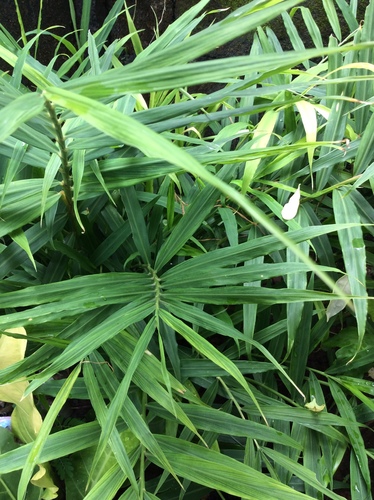
Organisms pictured · Representative pictures of the matched species, not figures from the paper.
Verbatim
e0“At the later rhizome growth stage, compared to the CK treatment, the fresh weight of lack of N, P, K treatment was only 40.77%, 46.65% and 25.25% respectively.”
t0“Response of lack of nitrogen, phosphorus, potassium to ginger”
e1“growth of ginger”
Claim · model-written summary
Phosphorus deficiency reduced ginger fresh weight to 46.65% of control.
- Taxon
- gingerZingiber officinalee0t0e1
Organisms pictured · Representative pictures of the matched species, not figures from the paper.
Verbatim
e0“At the later rhizome growth stage, compared to the CK treatment, the fresh weight of lack of N, P, K treatment was only 40.77%, 46.65% and 25.25% respectively.”
t0“Response of lack of nitrogen, phosphorus, potassium to ginger”
e1“growth of ginger”
Claim · model-written summary
Potassium deficiency reduced ginger fresh weight to 25.25% of control.
- Taxon
- gingerZingiber officinalee0t0e1
Organisms pictured · Representative pictures of the matched species, not figures from the paper.
Verbatim
e0“At the later rhizome growth stage, compared to the CK treatment, the fresh weight of lack of N, P, K treatment was only 40.77%, 46.65% and 25.25% respectively.”
t0“Response of lack of nitrogen, phosphorus, potassium to ginger”
e1“growth of ginger”
Claim · model-written summary
Under potassium deficiency, aboveground fresh weight gradually decreased after vigorous leaf and stem growth.
- Taxon
- gingerZingiber officinalee0t0e1
Not reportedComparator
Organisms pictured · Representative pictures of the matched species, not figures from the paper.
Verbatim
e0“the potassium treatment (lack of K), after the leaf stem vigorous growth stage, the fresh weight of over-ground part degreased gradually”
t0“Response of lack of nitrogen, phosphorus, potassium to ginger”
e1“growth of ginger”
The same questions in other papers
nitrogen · growth · Zingiber officinale (ginger)Positive and negative results
1 paper in the same direction as this paper · 1 in the opposite direction
This paper is about lacking the nutrient, so it counts the other way round here.
- negative
- positive
phosphorus · growth · Zingiber officinale (ginger)Results agree
2 papers in the same direction as this paper
This paper is about lacking the nutrient, so it counts the other way round here.
- positive
- positive
potassium · growth · Zingiber officinale (ginger)Results agree
3 papers in the same direction as this paper
- positive
- positive
- positive
Claims are grouped by organism, treatment and what was measured or targeted. A paper counts as positive when any of its claims in the group is positive.