Abstract
μg/mL for the latter. Treatment of callus with elicitors showed significant (p < 0.05) effects in enhancing phenolic content and related antioxidant activity. The highest significant increase in phenolic content (37% and 34%) and antioxidant activity in DPPH assay (34% and 30%) was observed in callus treated with 100 mg/L yeast extract and 50 mg/L salicylic acid respectively. Therefore, studying the effect of the elicitation of ginger cultured tissues in phenolic accumulation would be of immense importance for pharmacological, cosmetic and agronomic industries.
Abstract from the paper’s OpenAlex record; open copy licensed cc-by-nc-nd. Read at the source ↗
The text the model read, with the source record’s inline markup (italics, sub- and superscripts) rendered and its character entities decoded; quote offsets refer to the raw text.
Claims 5
Claim · model-written summary
Elicitor treatment significantly enhanced callus phenolic content and antioxidant activity.
- Taxon
- ginger
 Zingiber officinalet0
- Organ / stage
- calluse0
- Treatment
- elicitorse0
- Outcome
- phenolic content and related antioxidant activitye0
- Direction
- enhancinge0
Not reportedComparator
Organisms pictured · Representative pictures of the matched species, not figures from the paper.
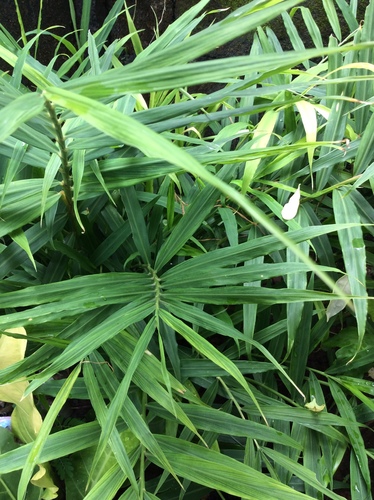
Verbatim
t0“ginger (Zingiber officinale Rosc.)”
e0“Treatment of callus with elicitors showed significant (p < 0.05) effects in enhancing phenolic content and related antioxidant activity”
Claim · model-written summary
Yeast extract at 100 mg/L increased callus phenolic content by 37%.
- Taxon
- gingerZingiber officinalet0
- Organ / stage
- calluse0
- Treatment
- 100 mg/L yeast extracte0
- Outcome
- phenolic contente0
- Direction
- increasee0
- Value
- 37%e0
Not reportedComparator
Organisms pictured · Representative pictures of the matched species, not figures from the paper.
Verbatim
t0“ginger (Zingiber officinale Rosc.)”
e0“The highest significant increase in phenolic content (37% and 34%) and antioxidant activity in DPPH assay (34% and 30%) was observed in callus treated with 100 mg/L yeast extract and 50 mg/L salicylic acid respectively”
Claim · model-written summary
Salicylic acid at 50 mg/L increased callus phenolic content by 34%.
- Taxon
- gingerZingiber officinalet0
- Organ / stage
- calluse0
- Treatment
- 50 mg/L salicylic acide0
- Outcome
- phenolic contente0
- Direction
- increasee0
- Value
- 34%e0
Not reportedComparator
Organisms pictured · Representative pictures of the matched species, not figures from the paper.
Verbatim
t0“ginger (Zingiber officinale Rosc.)”
e0“The highest significant increase in phenolic content (37% and 34%) and antioxidant activity in DPPH assay (34% and 30%) was observed in callus treated with 100 mg/L yeast extract and 50 mg/L salicylic acid respectively”
Claim · model-written summary
Yeast extract at 100 mg/L increased DPPH antioxidant activity by 34%.
- Taxon
- gingerZingiber officinalet0
- Organ / stage
- calluse0
- Treatment
- 100 mg/L yeast extracte0
- Outcome
- antioxidant activity in DPPH assaye0
- Direction
- increasee0
- Value
- 34%e0
Not reportedComparator
Organisms pictured · Representative pictures of the matched species, not figures from the paper.
Verbatim
t0“ginger (Zingiber officinale Rosc.)”
e0“The highest significant increase in phenolic content (37% and 34%) and antioxidant activity in DPPH assay (34% and 30%) was observed in callus treated with 100 mg/L yeast extract and 50 mg/L salicylic acid respectively”
Claim · model-written summary
Salicylic acid at 50 mg/L increased DPPH antioxidant activity by 30%.
- Taxon
- gingerZingiber officinalet0
- Organ / stage
- calluse0
- Treatment
- 50 mg/L salicylic acide0
- Outcome
- antioxidant activity in DPPH assaye0
- Direction
- increasee0
- Value
- 30%e0
Not reportedComparator
Organisms pictured · Representative pictures of the matched species, not figures from the paper.
Verbatim
t0“ginger (Zingiber officinale Rosc.)”
e0“The highest significant increase in phenolic content (37% and 34%) and antioxidant activity in DPPH assay (34% and 30%) was observed in callus treated with 100 mg/L yeast extract and 50 mg/L salicylic acid respectively”
The same questions in other papers
salicylic acid · quality: phytochemicals · Zingiber officinale (ginger)Results agree
2 papers in the same direction as this paper
- positive
- positive
Claims are grouped by organism, treatment and what was measured or targeted. A paper counts as positive when any of its claims in the group is positive.