Abstract
Rhizobacteria-based technologies may constitute a viable option for biological fertilization and crop protection. The effects of two microbial inoculants (1) PPS: Pseudomonas protegens, P. jessenii and Stenotrophomonas maltophilia biocontrol bacterium strains and (2) TPB: Trichoderma atroviride, Pseudomonas putida, and Bacillus subtilis fungi, bacteria biocontrol, and biofertilizer combinations were examined on potato (Solanum tuberosum L. var. Demon) in three consecutive years in irrigated organic conditions. The number of tubers showing symptoms of Streptomyces sp. and Rhizoctonia sp. was recorded. The severity of symptoms was evaluated based on the damaged tuber surface. There was a large annual variability in both the symptoms caused by soil-borne pathogens, and the effect of bio-inoculants. In the first and second year, with a stronger Rhizoctonia and Streptomyces spp. incidence, the bacterial and fungal combination of TPB inoculums with both the potential plant nutrition and biocontrol ability of the strains seemed to have a better efficiency to control the diseases. This tendency was not supported in the third year, and this may be attributed to the relatively high natural precipitation. Further studies are required to investigate the agronomic benefits of these inoculants and to tailor their application to the soil microbial characteristics and weather conditions.
Abstract from the paper’s OpenAlex record; open copy licensed cc-by. Read at the source ↗
The text the model read, with the source record’s inline markup (italics, sub- and superscripts) rendered and its character entities decoded; quote offsets refer to the raw text.
Claims 4
Claim · model-written summary
Symptoms of both soil-borne diseases and inoculant effects varied substantially among years.
- Taxon
- potato
 Solanum tuberosume1
- Outcome
- annual variability in both the symptoms caused by soil-borne pathogens, and the effect of bio-inoculantse0
Organisms pictured · Representative pictures of the matched species, not figures from the paper.

Verbatim
e0“There was a large annual variability in both the symptoms caused by soil-borne pathogens, and the effect of bio-inoculants”
e1“potato (Solanum tuberosum L. var. Demon)”
Claim · model-written summary
TPB seemed more efficient against Rhizoctonia disease in the first two years.
- Taxon
- potatoSolanum tuberosume1
- Treatment
- TPB inoculumse0
- Interactor
- Rhizoctonia
 Rhizoctoniae0pathogen
- Second interactor
- Trichoderma atroviride
 Trichoderma atroviridee2biocontrol_agent
- Outcome
- Rhizoctoniae0
- Direction
- better efficiencye0
- Qualifier
- first and second yeare0
Not reportedComparator
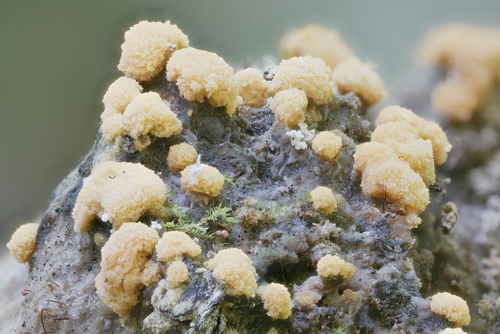
Organisms pictured · Representative pictures of the matched species, not figures from the paper.

Verbatim
e0“In the first and second year, with a stronger Rhizoctonia and Streptomyces spp. incidence, the bacterial and fungal combination of TPB inoculums with both the potential plant nutrition and biocontrol ability of the strains seemed to have a better efficiency to control the diseases”
e1“potato (Solanum tuberosum L. var. Demon)”
e2“TPB: Trichoderma atroviride, Pseudomonas putida, and Bacillus subtilis”
Claim · model-written summary
TPB seemed more efficient against Streptomyces disease in the first two years.
- Taxon
- potatoSolanum tuberosume1
- Treatment
- TPB inoculumse0
- Interactor
- Streptomyces spp.
 Streptomycese0pathogen
- Second interactor
- Trichoderma atrovirideTrichoderma atroviridee2biocontrol_agent
- Outcome
- Streptomyces spp. incidencee0
- Direction
- better efficiencye0
- Qualifier
- first and second yeare0
Not reportedComparator
Organisms pictured · Representative pictures of the matched species, not figures from the paper.

Verbatim
e0“In the first and second year, with a stronger Rhizoctonia and Streptomyces spp. incidence, the bacterial and fungal combination of TPB inoculums with both the potential plant nutrition and biocontrol ability of the strains seemed to have a better efficiency to control the diseases”
e1“potato (Solanum tuberosum L. var. Demon)”
e2“TPB: Trichoderma atroviride, Pseudomonas putida, and Bacillus subtilis”
Claim · model-written summary
The better-efficiency tendency was not supported in the third year.
- Taxon
- potatoSolanum tuberosume1
- Outcome
- This tendency was not supported in the third yeare0
- Qualifier
- relatively high natural precipitatione0
Organisms pictured · Representative pictures of the matched species, not figures from the paper.
Verbatim
e0“This tendency was not supported in the third year, and this may be attributed to the relatively high natural precipitation”
e1“potato (Solanum tuberosum L. var. Demon)”
The same questions in other papers
inoculation · Rhizoctonia · Solanum tuberosum (potato)Positive and negative results
3 papers in the same direction as this paper · 1 in the opposite direction
- negative
- positive
- positive
1 paper more in this group
See all 5 papers →Claims are grouped by organism, treatment and what was measured or targeted. A paper counts as positive when any of its claims in the group is positive.