Abstract
Evaluation of six insecticides viz., Azadiractin1% (1000ppm) Neem oil, Baeuveria bassiana 1% WP, Bacillus thuriengiensis var kurstaki 5% WP, Metarhizium anisopliae 1.0% WP, Verticillium lecanii 1.15% WP and Ha NPV 250 LE were evaluated against Gram Pod Borer (Helicoverpa armigera Hubner) larvae. The Gram Pod Borer (GPB) larval population was counted on 5 randomly selected plants at 24 hr. before spray and at 3, 7 and 10 days after spray. The two-years experiment was conducted during Rabi 2018-19 and 2019-20 at the Rehti Farm of school of Agriculture, Mhow, experimental field of Department of Entomology, BRAUSS, (MP). All the biopesticides significantly reduced the GPB larval population. The Pooled GPB population varied from 2.30 to 2. 50 larvae/plant during Rabi season one day prior tothe first spray. The population was significantly lower with Bacillus thuriengiensis var kurstaki 5% WP, followed by Ha NPV 250 LE, Baeuveria bassiana 1% WP, Metarhizium anisopliae 1.0% WP and Azadiractina 1% (1000ppm) Neem oil, these five biopesticides are showing best management effects on the GPB larvae and pod damaging per cent and remain, and least effective treatment was Verticillium lecanii 1.15% WP. The maximum reduction of larval population and pod damaging per cent. In Rabi season, the highest chickpea grain yield was obtained with Bacillus thuriengiensis var kurstaki at 5% WP.
Abstract from the paper’s OpenAlex record, shown for indexing and research. Copyright remains with the authors or the publisher. Read at the source ↗
The text the model read, with the source record’s inline markup (italics, sub- and superscripts) rendered and its character entities decoded; quote offsets refer to the raw text.
Claims 6
Claim · model-written summary
All biopesticides significantly reduced the gram pod borer larval population on chickpea.
- Taxon
- chickpea (Cicer arietinum L.)
 Cicer arietinumt0
- Treatment
- biopesticidese1
- Interactor
- Gram Pod Borer (Helicoverpa armigera Hubner)
 Helicoverpa armigerae2pest
- Outcome
- GPB larval populatione1
- Direction
- reducede1
- Setting
- Rehti Farm of school of Agriculture, Mhowe3
Not reportedComparator
Organisms pictured · Representative pictures of the matched species, not figures from the paper.


Verbatim
t0“on chickpea (Cicer arietinum L.)”
e1“All the biopesticides significantly reduced the GPB larval population”
e2“evaluated against Gram Pod Borer (Helicoverpa armigera Hubner) larvae”
e3“at the Rehti Farm of school of Agriculture, Mhow”
Claim · model-written summary
Bacillus thuriengiensis var kurstaki 5% WP gave a significantly lower gram pod borer larval population than the other biopesticides.
- Taxon
- chickpea (Cicer arietinum L.)Cicer arietinumt0
- Treatment
- Bacillus thuriengiensis var kurstaki 5% WPe4
- Interactor
- Gram Pod Borer (Helicoverpa armigera Hubner)Helicoverpa armigerae2pest
- Second interactor
- Bacillus thuriengiensis var kurstakie4biocontrol_agent
- Outcome
- GPB larval populatione1
- Direction
- lowere4
Not reportedComparator
Organisms pictured · Representative pictures of the matched species, not figures from the paper.
Verbatim
t0“on chickpea (Cicer arietinum L.)”
e1“All the biopesticides significantly reduced the GPB larval population”
e2“evaluated against Gram Pod Borer (Helicoverpa armigera Hubner) larvae”
e4“The population was significantly lower with Bacillus thuriengiensis var kurstaki 5% WP”
Claim · model-written summary
Five named biopesticides showed the best management effects on gram pod borer larvae and pod damage on chickpea.
- Taxon
- chickpea (Cicer arietinum L.)Cicer arietinumt0
- Treatment
- these five biopesticidese5
- Interactor
- Gram Pod Borer (Helicoverpa armigera Hubner)Helicoverpa armigerae2pest
- Outcome
- GPB larvae and pod damaging per cente5
- Direction
- best management effectse5
Not reportedComparator
Organisms pictured · Representative pictures of the matched species, not figures from the paper.
Verbatim
t0“on chickpea (Cicer arietinum L.)”
e2“evaluated against Gram Pod Borer (Helicoverpa armigera Hubner) larvae”
e5“these five biopesticides are showing best management effects on the GPB larvae and pod damaging per cent”
Claim · model-written summary
Verticillium lecanii 1.15% WP was the least effective biopesticide against gram pod borer on chickpea.
- Taxon
- chickpea (Cicer arietinum L.)Cicer arietinumt0
- Treatment
- Verticillium lecanii 1.15% WPe6
- Interactor
- Gram Pod Borer (Helicoverpa armigera Hubner)Helicoverpa armigerae2pest
- Second interactor
- Verticillium lecanii
 Akanthomyces lecaniie6biocontrol_agent
- Outcome
- least effective treatmente6
- Direction
- least effectivee6
Not reportedComparator
Organisms pictured · Representative pictures of the matched species, not figures from the paper.
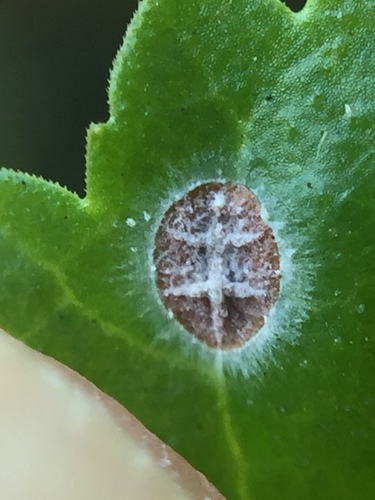
Verbatim
t0“on chickpea (Cicer arietinum L.)”
e2“evaluated against Gram Pod Borer (Helicoverpa armigera Hubner) larvae”
e6“least effective treatment was Verticillium lecanii 1.15% WP”
Claim · model-written summary
Bacillus thuriengiensis var kurstaki at 5% WP gave the highest chickpea grain yield in the rabi season.
- Taxon
- chickpeaCicer arietinume7
- Treatment
- Bacillus thuriengiensis var kurstaki at 5% WPe7
- Outcome
- grain yielde7
- Direction
- higheste7
- Setting
- Rabi seasone7
Not reportedComparator
Organisms pictured · Representative pictures of the matched species, not figures from the paper.
Verbatim
t0“on chickpea (Cicer arietinum L.)”
e7“In Rabi season, the highest chickpea grain yield was obtained with Bacillus thuriengiensis var kurstaki at 5% WP”
Claim · model-written summary
Pre-spray gram pod borer population on chickpea was 2.30 to 2.50 larvae per plant in the rabi season.
- Taxon
- chickpea (Cicer arietinum L.)Cicer arietinumt0
- Interactor
- Gram Pod Borer (Helicoverpa armigera Hubner)Helicoverpa armigerae2pest
- Outcome
- Pooled GPB populatione0
- Value
- 2.30 to 2. 50 larvae/plante0
- Setting
- Rabi seasone0
Organisms pictured · Representative pictures of the matched species, not figures from the paper.
Verbatim
t0“on chickpea (Cicer arietinum L.)”
e2“evaluated against Gram Pod Borer (Helicoverpa armigera Hubner) larvae”
e0“The Pooled GPB population varied from 2.30 to 2. 50 larvae/plant during Rabi season one day prior tothe first spray”
The same questions in other papers
biocontrol · Helicoverpa armigera · Cicer arietinum (chickpea)Results agree
6 papers in the same direction as this paper
- positive
- positive
- positive
3 papers more in this group
See all 7 papers →Claims are grouped by organism, treatment and what was measured or targeted. A paper counts as positive when any of its claims in the group is positive.